10 Best Tipper Vehicles for Sale Worldwide?

Choosing the right Tipper Vehicle is a practical decision, not a popularity contest. Buyers must compare payload, body design, drivetrain, fuel use, maintenance access, and operator comfort. A truck that looks powerful on a dealership yard may struggle on steep quarry roads. Another may perform perfectly on paved urban projects but waste fuel in rough terrain.

Mike Woof, a long-time construction-equipment journalist, offers a useful view: “The best truck is not always the biggest truck; it is the one that works efficiently every day.” That idea shapes this guide to the 10 Best Tipper Vehicles for Sale Worldwide. Each model deserves attention for real working conditions, not polished brochures alone.

The comparison considers rigid dump trucks, articulated units, compact site vehicles, and heavy-duty road models. We will examine payload ranges, hydraulic performance, cab visibility, turning space, safety features, and service support. Tire wear matters too. So does downtime.

Small details decide profitability.

A reliable tipping cycle can save minutes on every load. Over a full shift, those minutes become significant. However, specifications can be incomplete, and regional versions may differ. This is where buyers should pause and verify local dealer data, warranty terms, emissions requirements, and parts availability.

No single Tipper Vehicle suits every project. The strongest choice depends on material, distance, terrain, climate, and budget. Even experienced fleets sometimes choose too much capacity. More power does not always mean better value.
10 Best Tipper Vehicles for Sale Worldwide?

What Is a Tipper Vehicle and How Does It Work?

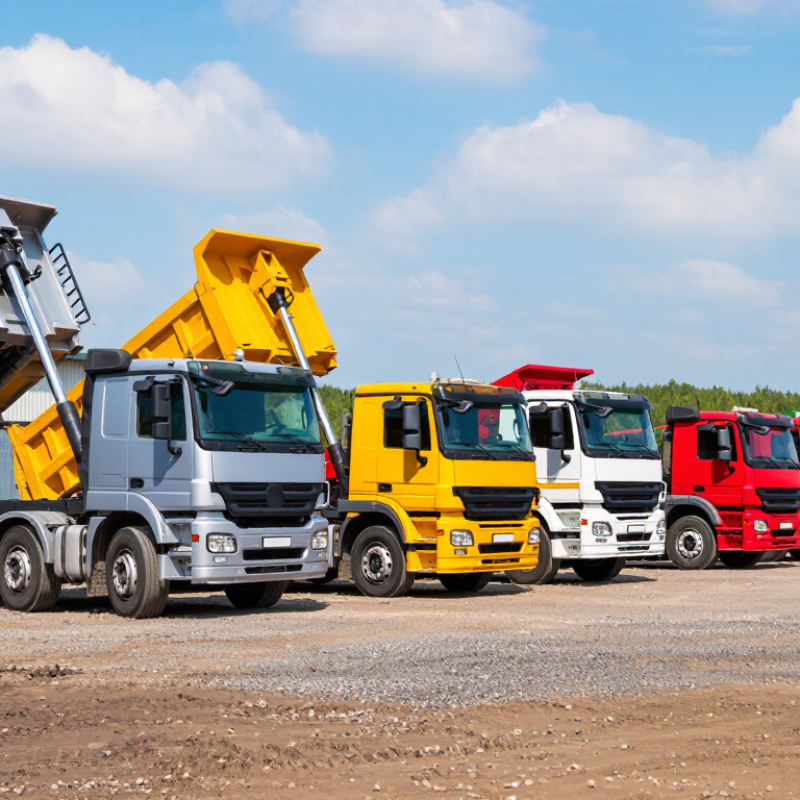
A tipper vehicle is a work truck designed to carry and unload loose materials. Its cargo body tilts through a hydraulic lifting system. Gravity then moves soil, gravel, sand, or construction debris toward the open tailgate.

The driver activates the hydraulic control from the cab. A pump sends fluid into a cylinder, which raises the front of the body. Hinges at the rear guide the movement. Lowering the body returns the vehicle to its travel position. The process looks simple, but balance matters. An uneven load can shift suddenly and strain the chassis.

Small tippers suit narrow urban sites and lighter deliveries. Larger models carry more material but need stronger roads, wider turning areas, and careful axle management. Buyers should check payload ratings, body volume, ground clearance, tire design, and hydraulic capacity. Local weight rules also affect the practical choice. A large body is not always better.

Inspect the hydraulic hoses for wet spots, cracks, or loose fittings. Check the tailgate latch before loading. On muddy ground, a raised body can make the vehicle unstable. That detail is easy to overlook. Wet clay may also stick inside the body, leaving material behind and changing the load balance. Service records and verified specifications deserve more trust than impressive photographs.

Key Factors for Choosing a Tipper Vehicle

10 Best Tipper Vehicles for Sale Worldwide?

Choosing a tipper vehicle requires more than checking its advertised payload. Start with the worksite. A compact model may suit narrow urban roads, while a heavy-duty unit handles quarry routes and uneven ground. Payload capacity must match the material’s density. Wet soil can weigh far more than expected. That mistake is costly.

Inspect the hydraulic tipping system carefully. The lifting cycle should feel smooth, controlled, and free from unusual noise. Check the cylinder, hinges, locking points, and body floor for cracks or excessive wear. A reinforced steel body may resist impact, but it can also increase vehicle weight. Every kilogram reduces available payload. I once focused too heavily on body strength and underestimated this trade-off.

Engine output matters on steep roads, but torque delivery matters more during loaded starts. Review the axle rating, suspension condition, tire quality, and braking performance together. A powerful engine cannot correct weak stopping capacity. Cab visibility, seat adjustment, reverse alarms, and lighting also affect daily safety. Small details become tiring after ten working hours.

Fuel use and maintenance access deserve honest attention. Ask for service records, inspection history, and evidence of regular hydraulic maintenance. Newer does not always mean better. An older vehicle with clear records may outperform a neglected newer one. Confirm local weight limits, road requirements, and operator training rules before purchase. Availability of replacement parts should influence the decision too. A vehicle waiting weeks for one component earns nothing.

The 10 Best Tipper Vehicles Available Worldwide

The 10 Best Tipper Vehicles Available Worldwide

The best tipper vehicle depends on terrain, payload, and daily operating distance. A compact 4x2 tipper suits urban repairs and narrow construction sites. A 6x4 model offers stronger traction on muddy access roads. For quarry work, an 8x4 rigid tipper carries heavier loads with better stability. Articulated dumpers perform well on steep, uneven ground, while mining tippers handle extreme payloads and long haul cycles.

Electric tippers are gaining attention in cities. The International Energy Agency reported that global electric truck sales exceeded 60,000 units in 2023. Their quiet operation helps near residential projects. Battery range remains a concern, though. Hybrid systems can reduce fuel use without requiring full charging infrastructure. Light-duty tippers support landscaping, waste collection, and municipal maintenance. Three-way tipping bodies improve unloading flexibility. Trailer tippers add capacity for long-distance material transport.

A reliable shortlist should also include 6x6 off-road vehicles and high-sided agricultural tippers. The Global Off-Highway Research market studies emphasize productivity, durability, and total operating cost across construction equipment. That matches field experience: a large body is useless when roads cannot support the axle load. Check hydraulic cycle time, brake performance, suspension strength, turning radius, and local service access. Do not trust payload figures alone. They may assume ideal conditions. Real sites are rougher, wetter, and less predictable. A well-matched 6x4 can outperform a larger vehicle when downtime and fuel consumption matter.

10 Best Tipper Vehicles for Sale Worldwide? - The 10 Best Tipper Vehicles Available Worldwide

No. Representative Vehicle Configuration Typical Payload Gross Vehicle Weight / Combination Weight Typical Engine Output Tipper Body Capacity Drive Arrangement Primary Applications Common Market Availability
1 Light-duty 4×2 tipper truck 2.0–5.0 tonnes 7.5–12 tonnes GVW 100–180 kW 3–8 m³ 4×2 Urban construction, landscaping, municipal maintenance and local material delivery Europe, Asia-Pacific, Africa, Latin America and the Middle East
2 Medium-duty 4×2 construction tipper 5.0–9.0 tonnes 12–18 tonnes GVW 160–250 kW 6–12 m³ 4×2 Road construction, utility work, aggregate transport and regional hauling Worldwide, especially in developed and emerging construction markets
3 Heavy-duty 6×4 tipper truck 12–18 tonnes 25–33 tonnes GVW 230–370 kW 10–18 m³ 6×4 Quarrying, bulk earthmoving, infrastructure projects and heavy aggregate transport Europe, Asia, Africa, Australia, Latin America and the Middle East
4 Heavy-duty 8×4 tipper truck 18–28 tonnes 32–41 tonnes GVW 300–480 kW 14–24 m³ 8×4 Large-scale civil engineering, mining support, quarry operations and major road projects Europe, Asia-Pacific, Africa, the Middle East and Latin America
5 All-wheel-drive 6×6 tipper 8–16 tonnes 18–30 tonnes GVW 220–360 kW 8–16 m³ 6×6 Remote construction sites, forestry roads, military logistics and difficult off-road conditions Worldwide in specialized off-road and infrastructure markets
6 Articulated off-highway dump truck 25–45 tonnes 45–75 tonnes operating weight 350–600 kW 15–30 m³ 6×6 articulated drive Large mines, dams, tunnels, major earthworks and unpaved haul roads Mining and infrastructure markets worldwide
7 Rigid off-highway dump truck 35–100 tonnes 65–170 tonnes operating weight 450–1,000 kW 20–60 m³ 4×2 or 6×4 off-highway configuration Open-pit mining, large quarries and high-volume overburden removal Major mining regions in Africa, Asia-Pacific, the Americas and Australia
8 Three-way municipal tipper 2.0–8.0 tonnes 7.5–18 tonnes GVW 100–250 kW 3–12 m³ 4×2 or 6×2 Waste collection, snow clearance, road maintenance and municipal services Europe, Asia-Pacific, North America and selected Middle Eastern markets
9 Trailer-mounted agricultural tipper 8–30 tonnes 12–40 tonnes gross combination weight Tractor-dependent; commonly 100–350 kW 10–40 m³ Tractor-towed; two- or three-axle trailer Grain, root crops, silage, fertilizer and farm-to-storage transport Europe, North America, South America, Australia and other agricultural regions
10 Underground mining dump truck 15–60 tonnes 30–100 tonnes operating weight 180–750 kW 8–35 m³ 4×4 or 6×6 articulated drive Underground mines, low-clearance headings and confined haulage routes Specialized mining operations worldwide

Specifications are typical market ranges for comparable tipper and dump-vehicle configurations. Actual payload, legal weight, body volume, engine output and equipment availability vary by axle limits, local regulations, body material, terrain and operating conditions.

Comparing Tipper Vehicles by Capacity, Power, and Application

10 Best Tipper Vehicles for Sale Worldwide

Comparing Tipper Vehicles by Capacity, Power, and Application

Choosing among ten tipper vehicles starts with payload, not appearance. A compact 4x2 tipper suits urban repairs and narrow construction sites. Medium 6x4 models carry roughly 10 to 18 tonnes, depending on body design and local limits. Heavy 8x4 vehicles handle quarry stone, demolition material, and long work cycles. Articulated dumpers offer greater stability on uneven ground. Payload figures must include the body, tools, fuel, and driver. That detail is often missed.

Power should match terrain, load, and duty hours. An engine producing 180 to 300 horsepower can serve regional aggregate work. Larger units may exceed 400 horsepower for steep haul roads and heavier loads. Torque matters more than peak power when leaving a muddy pit. Automatic transmissions reduce fatigue, while manual systems can simplify maintenance in remote areas. During inspections, I check frame joints, hydraulic cylinders, tire condition, and brake response. A shiny cab proves little.

Application changes the best choice. A three-way tipper improves placement beside walls and trenches. A rear tipper suits general earthmoving and bulk materials. A lightweight aluminum body saves fuel, but it may resist abuse less effectively than reinforced steel. Safety features deserve equal attention, including rollover protection, camera visibility, load sensors, and stable hydraulic operation. I once underestimated cleaning time after wet clay work. That mistake affected scheduling and operating cost. Buyers should compare warranty terms, parts access, service training, and resale demand in their region.

Where to Buy Tipper Vehicles and What to Check Before Purchase

Buying one of the 10 best tipper vehicles worldwide starts with the seller, not the paintwork. Authorized commercial-vehicle dealers offer verified histories and inspection support. Certified used-equipment platforms can provide better prices, but auction listings need extra caution. Fleet liquidation sales may reveal strong workhorses, although maintenance records are often incomplete. A 2024 report by Grand View Research estimated steady growth in the global dump truck market, driven by construction and infrastructure spending. More demand also means more hurried purchases.

Ask for the vehicle identification number, ownership history, service invoices, and previous load applications. Confirm the legal payload, gross vehicle weight rating, axle limits, body volume, and hydraulic lifting capacity. Check whether the truck carried soil, aggregates, demolition waste, or corrosive materials. The body floor should show even wear, not deep ripples or fresh welding. Inspect the chassis rails, suspension mounts, tailgate hinges, PTO, hydraulic hoses, and cylinder seals. Look underneath.

A professional inspection is worth paying for. The Commercial Vehicle Safety Alliance’s inspection guidance emphasizes brakes, tires, lighting, steering, suspension, and load security. Tire damage can hide serious overloading. Start the engine cold, then test the lift under a controlled load. Watch for slow rising, unusual vibration, oil leaks, or uneven lowering. Ask for a diagnostic scan on newer vehicles. This is where I sometimes become too optimistic; a clean cab can distract from a tired frame. Independent checks may delay the deal, but one missed defect can erase the saving.

Contact Us Today for a Free Quote

(800) 708-6036