2026 Top Carbon Steel Pipe Buying Guide for Global Suppliers
In the global marketplace, the demand for Carbon Steel Pipe is on a steady rise. According to industry reports, the global carbon steel pipe market is projected to grow significantly, with an estimated compound annual growth rate (CAGR) of over 4% through 2026. Suppliers across various sectors are keen to leverage this growth, yet challenges remain. Quality and specifications are critical; not all pipes meet the necessary standards or requirements.
Many suppliers struggle with the intricacies of compliance, which can impact their reliability. For instance, the ASTM A53 standard is a key benchmark in the industry. Failing to adhere to such standards can lead to costly setbacks. Additionally, fluctuating raw material prices often complicate procurement strategies. Different grades of carbon steel also affect pricing and applications, making it vital for buyers to understand their specific needs.
Investing time in research is essential. Understanding the properties of Carbon Steel Pipe helps suppliers make informed decisions. It's not just about finding the lowest price; durability, material grade, and supplier reputation matter. Prospective buyers should engage with trusted sources and review certifications to ensure the selection process is thorough and well-informed.
2026 Carbon Steel Pipe Market Overview: Key Trends and Insights
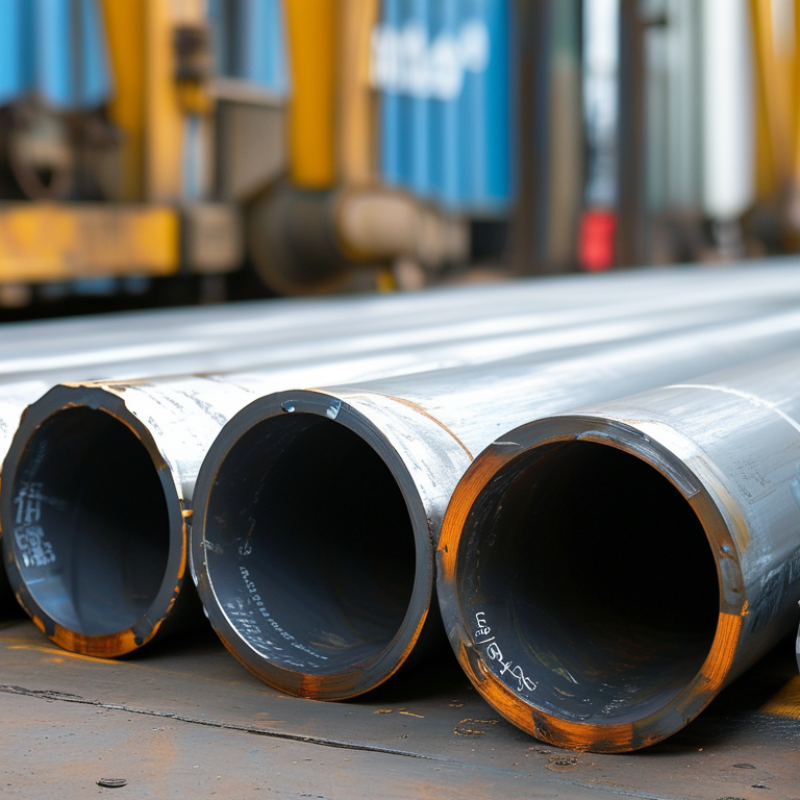
The carbon steel pipe market is evolving rapidly. As industries grow, demand for these pipes is increasing. This shift is driven by infrastructure development and manufacturing expansion worldwide. Key markets include construction, oil and gas, and automotive sectors. Each sector requires reliable materials, specifically tailored to their needs. Understanding these trends is crucial for suppliers.
Price volatility remains a concern. Steel prices fluctuate due to various factors, including raw material costs and global trade dynamics. Suppliers must navigate these challenges effectively. Additionally, sustainability has become vital. Many companies seek eco-friendly production methods. This transition can influence market strategies significantly.
Innovation plays a role as well. Advances in manufacturing technologies, such as automation, could streamline operations. However, the industry faces skills shortages. Skilled labor is essential for maintaining quality and efficiency. Suppliers should invest in training and development to overcome this gap. This strategy benefits the workforce and enhances product quality in the long run.
2026 Carbon Steel Pipe Market Overview
Understanding Carbon Steel Pipe Specifications and Grades for Buyers
When purchasing carbon steel pipes, understanding specifications and grades is essential. Carbon steel pipes are categorized into several grades based on their chemical composition and mechanical properties. Typically, these grades include API 5L, ASTM A106, and ASTM A53. According to industry reports, these specifications determine everything from welding ability to pressure ratings.
For instance, API 5L grade X42 and X52 pipes are widely used in oil and gas pipelines. They offer excellent strength and corrosion resistance. However, buyers should note that not all suppliers follow the same quality assurance protocols. Certification from recognized bodies can boost confidence in product reliability.
When choosing a supplier, consider their history and expertise. Solutions that worked in previous projects may not apply universally. Often, carbon steel pipes need to meet specific industry standards, and a lack of clear documentation may indicate potential issues.
Prioritize clarity in communication with suppliers. Ask detailed questions about their sourcing and testing procedures. This can reduce misunderstandings later on. Selecting the right carbon steel pipe is not just about price; the right specifications can impact project success significantly.
Essential Factors for Selecting Carbon Steel Pipe Suppliers Globally
When selecting carbon steel pipe suppliers globally, several essential factors come into play. Reliability and quality assurance stand out as paramount. A report by the World Steel Association highlights that global steel consumption reached approximately 1.8 billion tons in 2022, underscoring the need for high-quality materials in various industries. Suppliers must demonstrate rigorous quality control processes. Certifications, such as ISO standards, significantly enhance a supplier's credibility.
Furthermore, geographical proximity can affect delivery times and costs. A study revealed that logistical challenges can lead to a 30% increase in project timelines. Assessing a supplier’s infrastructure can provide insights into their operational efficiency. Additionally, considering local market conditions may reveal potential risks that could disrupt supply chains.
Cost competitiveness is also crucial, but it shouldn’t overshadow quality. Data shows that 42% of procurement professionals rank quality as the most significant factor in supplier selection. Less experienced buyers might focus solely on price, risking future project outcomes. Thus, partnering with suppliers that offer a well-balanced approach to cost and quality can mitigate long-term risks.
2026 Top Carbon Steel Pipe Buying Guide for Global Suppliers
| Dimension | Material Grade | Thickness (mm) | Length (m) | Application | Export Regions |
| 4" Sch 40 | A106B | 7.11 | 6 | Oil & Gas | Asia, Europe |
| 6" Sch 80 | A53B | 8.18 | 12 | Construction | North America, Africa |
| 8" Sch 40 | S235JR | 7.13 | 6 | Infrastructure | Oceania, South America |
| 10" Sch 40 | A500 | 8.56 | 12 | Water Supply | Middle East, Europe |
Global Demand Forecast for Carbon Steel Pipes Through 2026
The global demand for carbon steel pipes is expected to witness significant growth through 2026. Factors such as infrastructure development, oil and gas exploration, and construction activities are driving this trend. Reports indicate that the carbon steel pipe market will grow at a compound annual growth rate (CAGR) of approximately 5.2%. This growth reflects the increasing need for pipelines in transporting oil, gas, and water.
In recent years, emerging economies have heightened their investments in construction and infrastructure. As these nations seek reliable materials, carbon steel pipes are often preferred due to their strength and durability. Industry data suggests that the Asia-Pacific region will dominate the market, accounting for over 40% of global consumption. However, challenges remain. Production costs are fluctuating, impacting pricing strategies.
Sustainability is another critical factor influencing demand. Companies are exploring eco-friendly alternatives, yet carbon steel remains a staple in many applications. It is essential for suppliers to adapt to shifting market dynamics. Those who can leverage technological advancements will likely gain a competitive edge. Embracing innovation is not just a strategy; it is becoming a necessity in this evolving landscape.
Sustainability Practices in the Carbon Steel Pipe Industry: A 2026 Perspective
Sustainability in the carbon steel pipe industry has gained significant attention. The increasing energy costs and consumer demand for eco-friendly products push companies to adapt. A recent industry report indicates that about 55% of consumers prefer sustainable materials. This trend has propelled manufacturers to invest in greener technologies.
Evaluating lifecycle assessments (LCAs) shows that carbon steel pipes can be recycled multiple times without losing quality. This makes them a preferable option in construction and plumbing. In 2023, the recycling rate for carbon steel was reported at 85%, highlighting the material’s sustainability. However, many suppliers still rely heavily on traditional methods, which may cause environmental harm.
Focus on using recycled materials. This can drastically reduce carbon footprints. Engaging in partnerships for proper disposal and recycling can enhance a company's sustainability image. Another approach is to invest in energy-efficient manufacturing processes. These changes might require initial investment but lead to long-term benefits. Choosing suppliers who prioritize sustainability can also be pivotal for sustainable growth.