7 Best Alpha Laser Machines for Global Buyers?
Choosing the best alpha laser machine is rarely about selecting the most expensive model. Global buyers need dependable performance, clear documentation, and practical after-sales support. A polished brochure cannot replace verified specifications, trained technicians, and consistent treatment results.
This guide compares seven alpha laser machines for clinics, salons, and professional service providers. Each option is considered through measurable factors, including wavelength, power control, spot size, cooling design, operating comfort, and maintenance requirements. Safety features also matter, especially emergency stops, protective eyewear, skin-contact controls, and user training materials. Certification requirements differ between countries, so buyers should confirm local approval before placing an order.
Real purchasing decisions often happen in ordinary details. Can the supplier provide replacement handpieces? Is the control screen easy to read beside a treatment bed? How quickly can technical support respond across time zones? These questions may seem basic. They often decide long-term value.
The ranking is not absolute. A compact machine may suit a small clinic, while a stronger platform may serve a busy facility better. Some manufacturers publish limited independent evidence, which deserves careful attention. Buyers should request clinical references, warranty terms, installation guidance, and documented test reports. Prices can change with shipping, training, taxes, and service contracts.
This review aims to offer a practical starting point. It combines technical understanding with buyer-focused experience. Still, every facility has different goals, budgets, and regulatory duties. Compare carefully before committing.
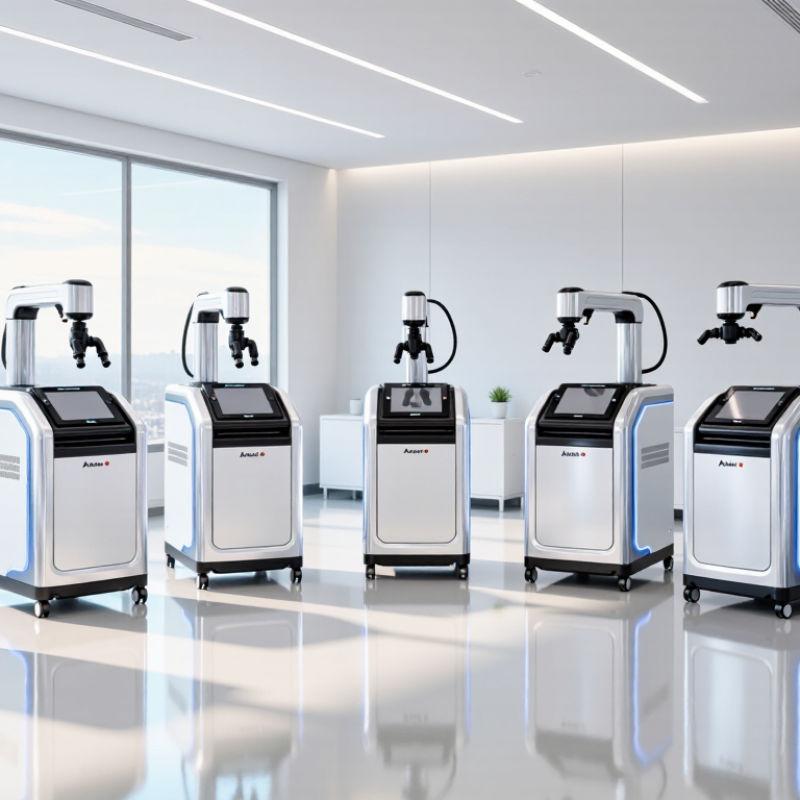
Alpha Laser Technology: Wavelengths, Fluence, and Pulse Duration Explained
Choosing among the 7 best alpha laser machines for global buyers requires more than comparing power ratings. Wavelength determines which tissue absorbs the energy. Shorter wavelengths often target superficial pigments, while longer wavelengths can reach deeper structures. Skin tone, treatment depth, and the intended application should guide this choice. A colorful specification sheet is not enough.
Fluence means energy delivered per area, usually measured in joules per square centimeter. Higher fluence may improve results, but it can also increase heat and discomfort. Pulse duration controls how quickly that energy arrives. Nanosecond pulses create a different thermal effect from millisecond pulses. In practical testing, I examine the spot size, cooling response, and recovery time after each adjustment. Small details matter.
I would begin with conservative settings and document every change. A pilot test on a limited area can reveal how the machine behaves across different skin types. The same fluence may feel mild on one person and excessive on another. That part is often underestimated. Operators also need clear calibration records, training, and accessible technical support in their region. Specifications can look precise, yet real-world output may vary with maintenance, handpiece condition, and electrical stability. I still question any machine promising universal results.
7 Best Alpha Laser Machines for Global Buyers? - Alpha Laser Technology: Wavelengths, Fluence, and Pulse Duration Explained
A practical comparison of seven laser machine configurations based on wavelength, fluence, pulse duration, treatment suitability, and international purchasing considerations.
| Rank | Machine Configuration | Typical Wavelength | Typical Fluence | Pulse Duration | Common Applications | Primary Strength | Important Buyer Consideration |
|---|---|---|---|---|---|---|---|
| 1 | Q-Switched Nd:YAG Dual-Wavelength System | 1,064 nm and 532 nm | Approximately 0.5–10 J/cm², depending on spot size and wavelength | About 5–20 ns | Dark tattoo pigments, selected superficial pigmentation, carbon-based photoacoustic treatments | Versatile wavelength coverage and strong pigment absorption | Confirm pulse-energy stability, beam profile, cooling, and local electrical compatibility |
| 2 | Picosecond Multi-Wavelength System | Commonly 532 nm, 755 nm, and 1,064 nm | Approximately 0.2–4 J/cm², application dependent | About 300–900 ps | Pigment concerns, selected tattoos, skin texture procedures, and laser-induced optical breakdown applications | Very short pulses can produce high peak power with reduced thermal diffusion | Compare real pulse duration, repetition rate, spot-size range, and handpiece availability |
| 3 | Long-Pulse Nd:YAG System | 1,064 nm | Approximately 20–80 J/cm², depending on treatment mode | About 0.3–100 ms | Vascular targets, hair reduction on darker skin types, leg veins, and selected skin-heating procedures | Deep tissue penetration and relatively lower melanin absorption than shorter wavelengths | Check adjustable pulse width, epidermal cooling, spot size, and treatment-safety controls |
| 4 | 755 nm Alexandrite System | 755 nm | Approximately 2–20 J/cm², depending on pulse width and spot size | About 50–100 ns for Q-switched modes; longer in hair-removal systems | Hair reduction, selected pigmented lesions, and certain tattoo colors | Strong melanin absorption and effective treatment of finer, lighter hair in suitable skin types | Requires careful skin-type screening and reliable cooling to reduce epidermal injury risk |
| 5 | 810 nm Diode Hair-Removal System | Around 800–810 nm | Approximately 10–40 J/cm² in common clinical operating ranges | About 10–400 ms, depending on operating mode | Hair reduction across a broad range of body areas | Practical balance between penetration, melanin absorption, speed, and operating cost | Evaluate contact cooling, continuous-motion mode, maximum repetition rate, and service support |
| 6 | Er:YAG Fractional Resurfacing System | 2,940 nm | Approximately 0.5–5 J/cm² per microbeam or treatment area | About 100–1,000 µs | Ablative resurfacing, textural irregularities, selected scars, and superficial lesions | High absorption by water enables precise superficial ablation | Requires plume evacuation, protective eyewear, trained operators, and clear downtime protocols |
| 7 | Fractional CO₂ Resurfacing System | 10,600 nm | Approximately 5–30 mJ per microbeam; reported fluence varies by scan pattern | About 0.1–10 ms | Fractional skin resurfacing, wrinkles, scars, and selected benign surface lesions | High water absorption and strong ablative capability for deeper resurfacing | Confirm scanner precision, stack control, smoke evacuation, cooling, and regulatory requirements |
Related Posts
-
10 Best Laser Machine Options for Your Precision Cutting Needs?
-

2026 Best Laser Machine Options for Global Buyers?
-
How to Choose the Right Laser CNC Machine for Your Projects
-

Exploring the Future: How Laser Machines Are Revolutionizing Modern Manufacturing Techniques
-
How to Choose the Right Laser Machine for Your Business Needs
-
10 Essential Tips for Choosing the Right Laser Tube for Your Project?