Top 10 Benefits of Using Solenoid Valves in Irrigation Systems?
Irrigation systems are critical for agriculture. They ensure plants receive adequate water. One important component in these systems is the solenoid valve. Renowned expert Dr. John Fields states, "The solenoid valve is pivotal for efficient irrigation management." This highlights its significance in modern agriculture.
Solenoid valves in irrigation systems control water flow. They provide automation, reducing labor costs. These valves are also reliable. They respond quickly to signals, enabling precise water distribution. However, not all systems utilize this technology effectively. Some may overlook maintenance, leading to performance issues. Regular checks should be a priority.
Additionally, the initial investment in solenoid valves can be high. Many farmers hesitate to implement them. Yet, the long-term benefits outweigh the costs. Properly functioning solenoid valves can lead to water savings. Ultimately, the decision to use a solenoid valve in an irrigation system can transform a farm's efficiency and productivity.
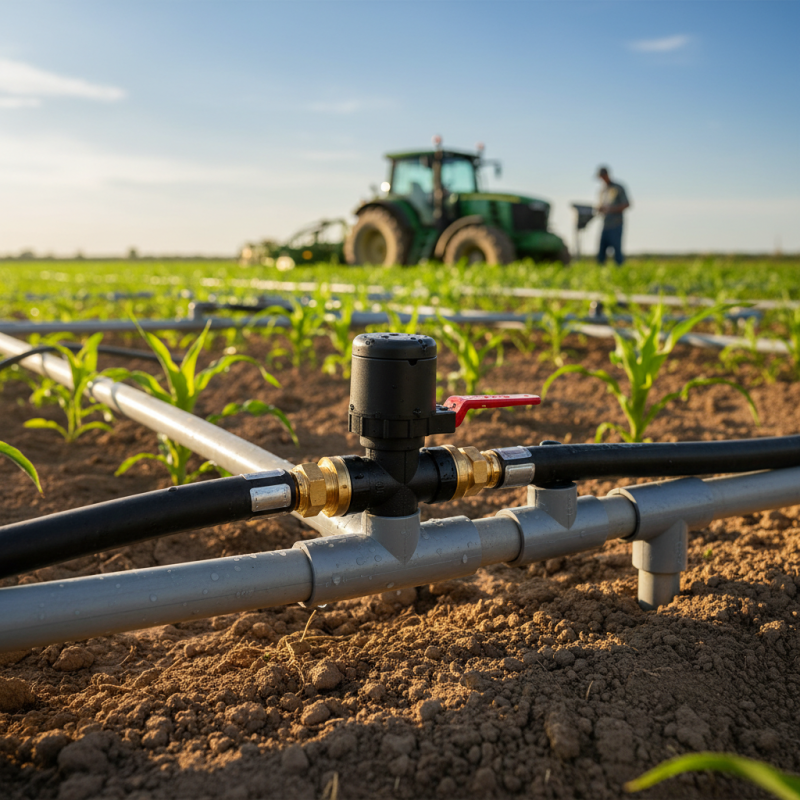
Benefits of Solenoid Valves in Enhancing Irrigation Efficiency
Solenoid valves play a crucial role in modern irrigation systems. They enhance irrigation efficiency by automating the water flow. This automation minimizes human error and ensures water is used wisely. With precise control, solenoid valves can adjust flow rates according to crops' needs. Farmers can set schedules, allowing for optimal watering times.
These valves respond quickly to signals from controllers. This speed leads to more effective water management. It reduces runoff and overwatering, which can harm crops. The precise adjustments can save water and money. However, some might find the initial setup complex. Installation requires planning to fit specific irrigation layouts.
Maintaining solenoid valves is essential for long-term efficiency. Regular checks can prevent leaks and malfunctions. Neglecting this step can lead to wasted resources. Some users may overlook this aspect. They might assume the technology will work perfectly without attention. Understanding these realities is vital for maximizing efficiency in any irrigation system.
Cost Savings Through Automated Water Management Using Solenoid Valves
Automated water management in irrigation offers significant cost savings. By using solenoid valves, farmers can optimize their water usage efficiently. These valves allow for precise control over water flow. This leads to healthier crops and reduced waste.
In traditional systems, farmers often overwater. This results in higher utility bills and wasted resources. However, solenoid valves enable users to set specific schedules. This means less guesswork and more dependable watering. Smart technology can even adjust schedules based on weather forecasts.
Despite these advantages, some challenges remain. Installation may require initial investment and expertise. Additionally, regular maintenance is necessary to avoid malfunctions. Understanding the long-term benefits can make these hurdles worthwhile. Properly managed, solenoid valves can revolutionize irrigation and yield substantial savings.
Improved Crop Yield Correlated with Timely Irrigation Using Solenoid Valves
Timely irrigation is critical for agricultural success. Studies show a direct link between effective irrigation and improved crop yield. Solenoid valves enable precise control over water flow, optimizing delivery and usage. With proper scheduling, farmers can irrigate at the best times, reducing water waste. A report from the American Society of Agricultural and Biological Engineers highlights that efficient irrigation can boost crop yields by up to 30%.
Tip: Monitor soil moisture levels regularly. This practice helps in determining the right time for irrigation. Adjustments based on actual needs prevent overwatering and under-watering.
Solenoid valves also allow automation. Farmers can set up systems to operate during cooler times. This helps minimize evaporation losses. However, reliance on automated systems can lead to oversight. If not regularly checked, they may malfunction, causing water stress on crops.
Tip: Invest in maintenance. Regular checks can save time and resources in the long run. It’s crucial to calibrate your system periodically to ensure optimal performance.
Ultimately, using solenoid valves in irrigation systems can significantly enhance your agricultural output. The data supports this claim, but awareness and action are just as important. Stay informed about your irrigation practices to make the most of these technologies.
Top 10 Benefits of Using Solenoid Valves in Irrigation Systems
| Benefit | Description | Impact on Crop Yield |
| Automated Control | Enables precise timing for irrigation cycles. | Enhances yield by ensuring optimal water supply. |
| Water Conservation | Reduces water wastage by applying water only when needed. | Supports better growth with less water. |
| Remote Monitoring | Allows monitoring and adjustments from a distance. | Improves response to changing conditions. |
| Increased Efficiency | Optimizes operational efficiency of irrigation systems. | Directly correlates with higher crop yields. |
| Improved Crop Health | Delivers consistent and reliable irrigation. | Enhances overall plant health and productivity. |
| Cost Savings | Reduces labor and operating costs through automation. | Can lead to a higherReturns on Investment (ROI). |
| Customization | Allows systems to be tailored to specific crop needs. | Maximizes growth potential and yield per crop. |
| Reduced Soil Erosion | Minimizes runoff by controlling water flow. | Maintains soil health for better yields. |
| Adaptability | Compatible with various irrigation methods and technologies. | Increases versatility across different agricultural practices. |
| Enhanced Reliability | Typically more durable with fewer mechanical failures. | Consistent performance leads to stable crop yields. |
Reduction of Water Waste: Statistics on Solenoid Valve Impact
Solenoid valves are transforming irrigation systems. They help reduce water waste significantly. Studies have shown that improper irrigation can waste up to 50% of water. With solenoid valves, this number can drop dramatically. These valves operate automatically, ensuring timely watering. They react to moisture sensors, which is a game-changer for efficient irrigation.
Numbers speak volumes when it comes to impact. Research indicates that farms using solenoid valves save an average of 30% more water. This is not just about efficiency; it also enhances crop yield. Farmers are noticing healthier plants and improved productivity. Yet, implementing these systems requires careful planning. Some may struggle with the initial installation costs. Others may find maintenance more complex than traditional systems.
In real-world scenarios, the transition isn't always seamless. Many users face technical issues, leading to frustration. Additionally, not all solenoid valves are equally reliable. Choosing the right system can be daunting. With these factors in mind, one must weigh the benefits against potential challenges. The journey toward water conservation is ongoing and demands thoughtful consideration.
Ease of Maintenance and Installation for Modern Irrigation Systems
When it comes to modern irrigation systems, ease of maintenance and installation is key. Solenoid valves shine in this area. They are typically lightweight and compact, making them easy to handle during installation. According to industry reports, the use of solenoid valves can reduce labor costs by up to 30%. This reduction is significant for large-scale projects, where time is money.
Tips: Regularly check the connections and fittings. This simple task can prevent leaks and save water. Many users overlook it; ignoring small issues can lead to bigger problems.
Maintenance is often less complex with solenoid valves. Most models require minimal upkeep. A quick visual check can often identify issues. Troubleshooting guides are commonly available. However, some users still struggle to familiarize themselves with these resources. Familiarizing oneself with basic valve operation can make a big difference in efficiency. A little effort can improve system longevity.