2026 Best Laser Etching Techniques and Applications to Explore?
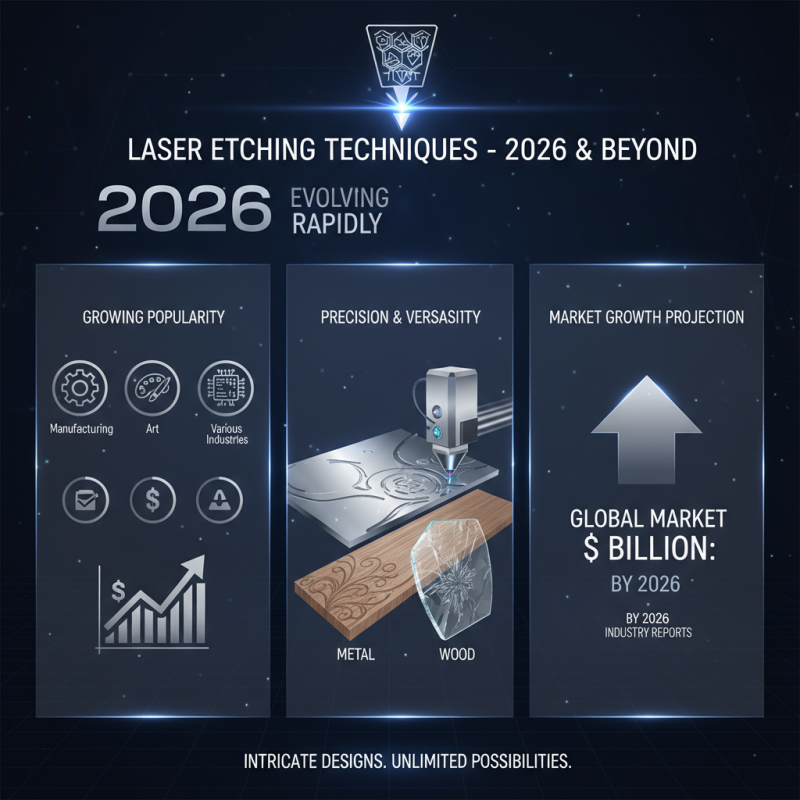
Laser etching has emerged as a leading technology in various industries, revolutionizing the way products are marked and personalized. According to recent industry reports, the global laser marking market is projected to reach $5.34 billion by 2026, growing at an impressive rate. This growth reflects the increasing demand for precision in etching processes, which deliver not only speed but also exceptional quality.
The techniques employed in laser etching are diverse and constantly evolving. Industries ranging from electronics to automotive are leveraging this technology to create intricate designs and permanent markings. Manufacturers are looking for innovative applications that enhance product appeal. Yet, with rapid advancements, companies may face challenges in adapting to new methods or maintaining equipment.
Exploring the best laser etching techniques reveals both opportunities and obstacles. It can be difficult to choose the right approach for specific applications. The risk of over-investment in outdated technology poses a significant challenge. A careful analysis of current practices and emerging trends is essential for staying competitive in the market. Embracing change while reflecting on past decisions can lead to better outcomes in laser etching.
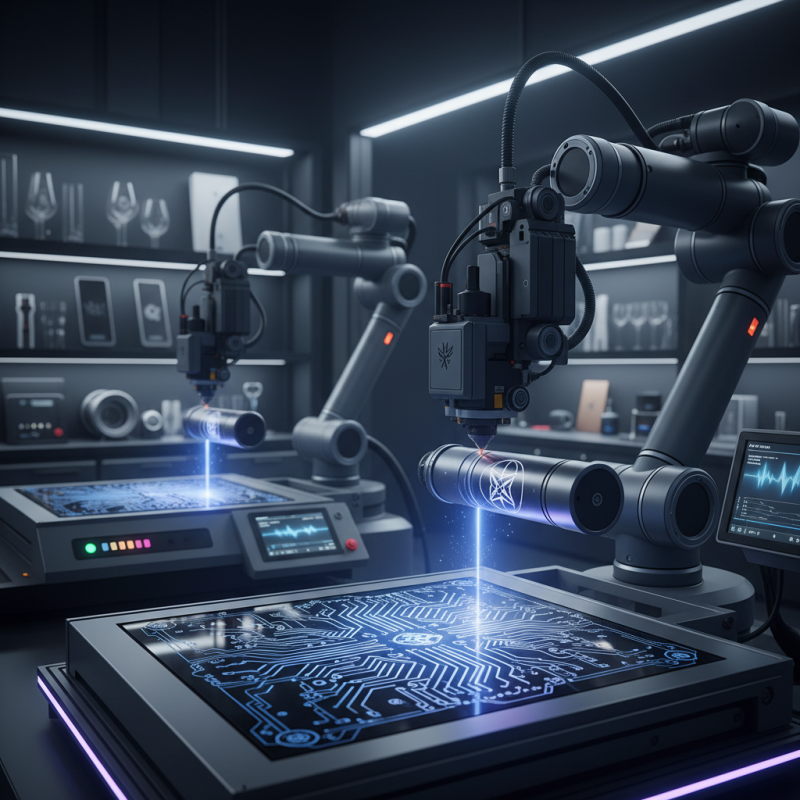
Overview of Laser Etching Techniques for 2026
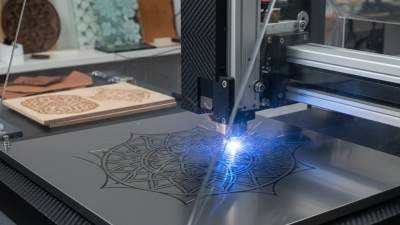
In 2026, laser etching techniques are evolving rapidly. These methods are gaining popularity in various industries, from manufacturing to art. The precision and versatility of laser etching allow for intricate designs on materials like metal, wood, and glass. According to recent industry reports, the global laser engraving market is projected to reach $2 billion by 2026, showcasing its growing significance.
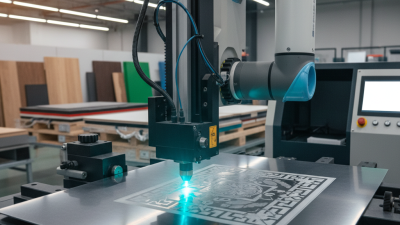
A key technique to explore is fiber laser etching. It offers high speed and accuracy. Industries are adopting this method for its efficiency, especially in production lines. Another interesting approach is CO2 laser etching, which excels at working with organic materials. It generates a clean finish, making it ideal for customized products.
**Tips:** Always test settings on scrap material first. This avoids costly mistakes. Keep the workspace clean. Dust can affect engraving quality. Adjusting power and speed settings is crucial too. More power may not always equate to better results. Reflect on your designs often. Simplicity can lead to elegance in the end result.
Key Applications of Laser Etching Across Various Industries
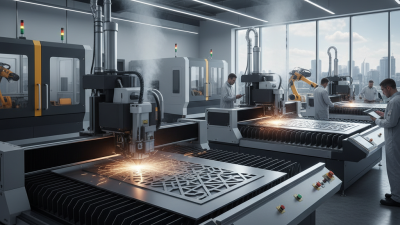
Laser etching technology is rapidly transforming various industries. It's not just about printing on products; it defines how items are personalized. For instance, the automotive industry utilizes laser etching for part identification, enhancing traceability and safety standards.
According to a report from MarketsandMarkets, the laser etching market is expected to grow by 25% annually over the next five years. This growth reflects a shift towards more efficient production methods.
In the healthcare sector, laser etching is vital for creating detailed inscriptions on surgical instruments and medical devices. Precise labeling can prevent mix-ups in high-stakes environments. Moreover, the electronics industry employs laser etching for branding on components. As products become smaller, the need for clear and reliable markings increases. Reports indicate that 43% of electronic manufacturers are integrating laser technology to improve product identification and traceability.
Yet, not all applications are perfect. Some industries face challenges with material compatibility and cost. The transition to laser etching requires significant investment in equipment and training. Additionally, the technology may not suit all materials equally. Each implementation poses questions about sustainability and long-term effects. The ongoing evolution of this technology requires constant adaptation and reflection.
Comparative Analysis of Laser Etching Technologies
When exploring laser etching technologies, several methods stand out.
CO2 lasers are popular for various materials, including wood and acrylic.
They offer good precision but can struggle with metals.
Fiber lasers, on the other hand, excel at marking metals with impressive detail. Their efficiency is evident, yet they can be costly to operate.
Another technique, UV laser etching, produces high-resolution inscriptions on materials like glass and ceramics.
This method minimizes thermal impact, preserving intricate designs. However, the speed of UV lasers can be slower, which might affect production timelines.
Consider the evolving market demands. Not all techniques suit every application, and preferences change over time.
As businesses adopt new technologies, there can be a steep learning curve.
Balancing quality, speed, and cost remains a challenge. Reflecting on these aspects is crucial for anyone looking to enhance their laser etching capabilities.
Innovative Materials Suitable for Laser Etching in 2026
As laser etching technology evolves, new materials are becoming popular. In 2026, innovative options are becoming evident.
Wood, acrylic, metal, and glass remain favorites.
However, exotic materials are emerging. Consider bamboo.
It's sustainable, lightweight, and has a unique texture. Etching on bamboo can create stunning visual effects.
Another option is ceramic. It holds up well under heat. This allows for intricate designs.
Certain coatings make etching on ceramics easier. The results? Crisp, detailed images that stand out.
Yet, ceramics can crack if mishandled. Proper technique is key to success.
Then, there’s leather. It’s versatile and natural. Laser etching on leather produces beautiful patterns.
Yet, it can sometimes create scorch marks. It requires practice to avoid ruining the material. Each of these materials presents challenges, but they offer exciting possibilities for creativity.
Future Trends and Advancements in Laser Etching Techniques
Laser etching has advanced significantly in recent years. As we move toward 2026, trends show a shift toward more precise techniques. Emerging technologies enhance the capabilities of laser etching systems. This means sharper designs and cleaner finishes on various materials. Expect to see a rise in the use of fiber lasers. They offer speed and versatility, and they are cost-effective.
One exciting trend is the integration of AI with laser etching. This allows for optimized settings based on the material used. The technology can adjust in real-time, giving the best results. However, not every AI application is perfect. Sometimes, it may miscalculate settings, leading to imperfect results. It’s essential to monitor the process closely.
Tips: Always test your settings on scrap materials before starting a project. This will help prevent costly mistakes. Additionally, keep your equipment clean and well-maintained. A small investment in upkeep can save time and resources later. Lastly, keep experimenting. Sometimes trial and error can lead to innovative techniques you never thought possible.
2026 Best Laser Etching Techniques and Applications