Best Laser Marking Machines for Efficient Manufacturing Solutions?
In the fast-paced world of manufacturing, efficiency is key. The demand for precision and speed has led to the increased adoption of laser marking machines. According to a recent industry report by MarketsandMarkets, the laser marking system market is projected to reach $4.7 billion by 2026, growing at a compound annual growth rate (CAGR) of 6.2%. This growth highlights the industry's shift towards advanced technologies for product identification and branding.
Laser marking machines offer numerous advantages. They provide clear, permanent markings on various materials, which enhances traceability and quality control. A study by Research and Markets noted that companies using laser marking technology saw a 30% reduction in operational costs. However, the initial investment can be a challenge for smaller businesses. This necessitates careful evaluation of options and potential ROI.
Investing in the right laser marking machine is crucial. The choice depends on factors like material compatibility and production volume. While many businesses benefit from using these machines, not all achieve intended results. Understanding each machine’s capabilities and limitations is vital. The marketplace offers various models, yet selecting the ideal one requires a thoughtful approach. Balancing performance and budget remains a pivotal point for many manufacturers in striving for operational excellence.
Overview of Laser Marking Technology in Manufacturing
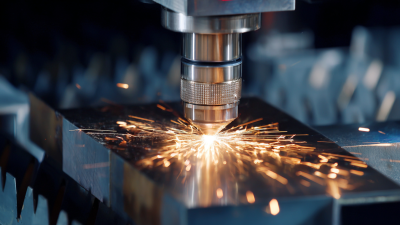
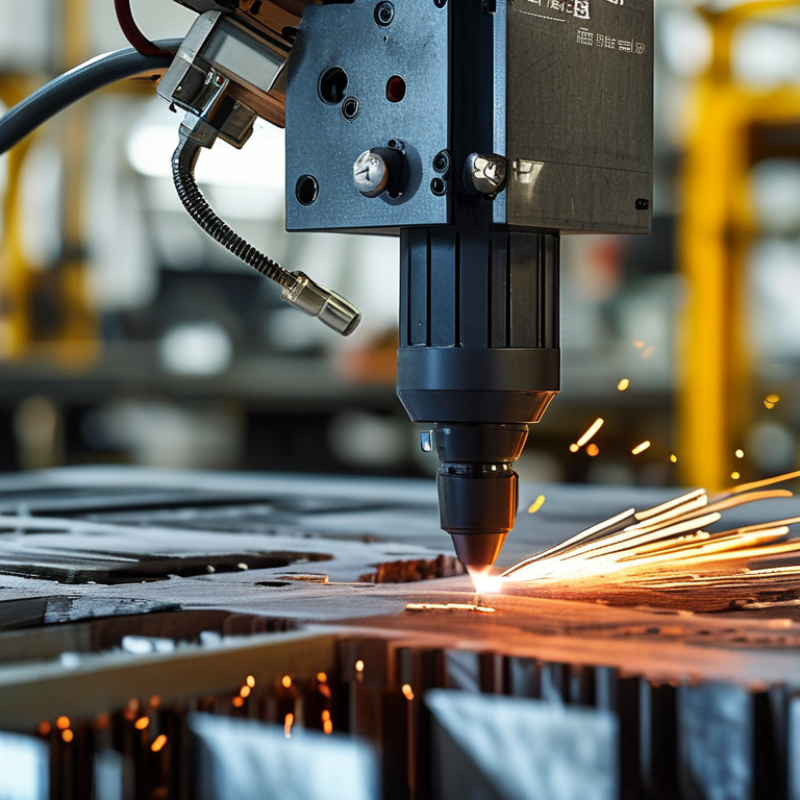
Laser marking technology has transformed manufacturing processes by providing precise and efficient marking solutions. This technology utilizes focused laser beams to engrave or etch materials. Manufacturers benefit from its speed and accuracy, minimizing production downtime. The ability to create permanent markings on various materials is essential for compliance and branding.
In practice, laser marking is adaptable to numerous applications. It works effectively on metals, plastics, and ceramics. The flexibility to customize designs helps businesses maintain a competitive edge. However, some challenges arise. For instance, varying material properties may lead to inconsistent marking quality. Addressing these issues requires expertise and experimentation.
Additionally, integrating laser marking systems into existing production lines can be complex. Training personnel is necessary for maximizing efficiency. While the upfront costs may deter some manufacturers, the long-term savings often justify the investment. Exploring laser marking's potential helps reveal its value in modern manufacturing.
Types of Laser Marking Machines and Their Applications
Laser marking machines are essential in modern manufacturing. They come in various types, each suited for specific applications. Fiber laser marking machines offer high precision and speed. They excel in marking metals and plastics. These machines create durable and clear markings, essential for product identification.
CO2 laser marking machines are another popular type. They work well on non-metallic materials like wood, glass, and acrylic. Their versatility makes them ideal for promotional items, signage, and personalized products. However, users must ensure the focus is correctly set for optimal results.
YAG laser marking machines are known for their reliability in industrial environments. They are robust and can handle heavy-duty applications. While effective, they may require more maintenance than other types. Evaluating the specific needs of a manufacturing process is crucial for selecting the right machine. The right choice can lead to improved production efficiency.
Key Features to Consider When Choosing a Laser Marking Machine
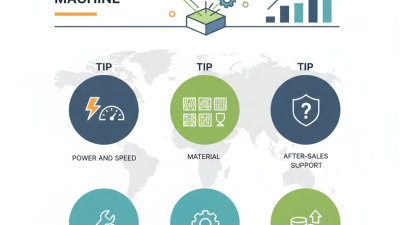
When selecting a laser marking machine, several key features should be considered to ensure efficiency and reliability in manufacturing. The power output is crucial. Higher wattage can speed up the marking process but may not be necessary for all applications. Understanding the materials you will be working with can help in determining the appropriate power.
Furthermore, the marking speed is another vital aspect. Some machines can process materials faster than others. This can significantly impact production rates. Precision is equally important. A good machine should offer fine detail capabilities for intricate designs. Additionally, the software interface should be user-friendly, allowing quick adjustments and ease of operation.
Don't overlook the machine's compatibility with various materials. It should handle metals, plastics, and wood effectively. Maintenance is an area requiring reflection as well. Regular upkeep can prevent breakdowns and ensure consistent performance. Manufacturers often find themselves grappling with downtime and repair costs, which can be frustrating. A balance between initial investment and long-term expenses should be carefully evaluated.
Comparative Analysis of Top Laser Marking Machines on the Market
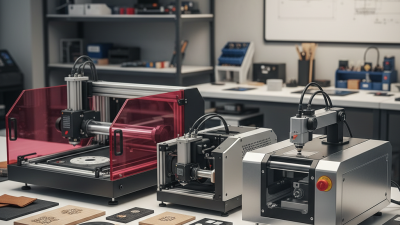
When choosing laser marking machines, it's crucial to understand the features of different models. Many machines offer unique capabilities, such as speed and precision in marking. Some machines excel in marking metals, while others are tailored for non-metal surfaces. Evaluating these aspects helps you find the right fit for your manufacturing process.
One key aspect to consider is the power of the laser. Higher wattage often means faster processing, but it can also lead to more heat and potential material damage. It's essential to reflect on the trade-offs between speed and quality. Additionally, the software used can significantly affect usability and flexibility. A user-friendly interface will save time during setup and operation.
Another point of reflection is maintenance. Some models require frequent calibration, while others are more stable over time. Reliability plays a significant role in overall productivity. It’s worth assessing customer support and availability of spare parts. A robust support system can help mitigate downtime. Ultimately, a deep understanding of your production needs will guide you to the best choice.
Future Trends in Laser Marking Technology and Manufacturing Solutions
The landscape of laser marking technology is rapidly evolving. As manufacturers seek increased efficiency, the demand for innovative solutions is more significant than ever. Laser marking machines now offer greater precision and speed, allowing businesses to enhance product quality. However, the shift towards automation poses challenges. Companies must adapt to new technologies while ensuring skilled labor is available to manage complex machinery.
Future trends will likely see an integration of AI with laser marking systems. This could enable smarter workflows and predictive maintenance, reducing downtime. Additionally, advancements in fiber and UV lasers could make marking on diverse materials more accessible. As manufacturers embrace these changes, they must reflect on the environmental impact of their equipment. Sustainable practices become crucial in maintaining a competitive edge.
The balance between innovation and practicality is essential. While new technologies promise to revolutionize the industry, companies must consider the cost of implementation. Many organizations may struggle to keep up with rapid changes while managing their existing processes. Finding the right solutions may take time and thoughtful analysis, but the potential benefits are worth the investment.