Top Cement Feeder Solutions for Efficient Construction Needs?
In the world of construction, efficiency can make or break a project. A core component of this efficiency is the Cement Feeder. This equipment is essential for transporting cement to various locations on the construction site. Properly functioning Cement Feeders can ensure a steady supply of material, reducing downtime and enhancing productivity.
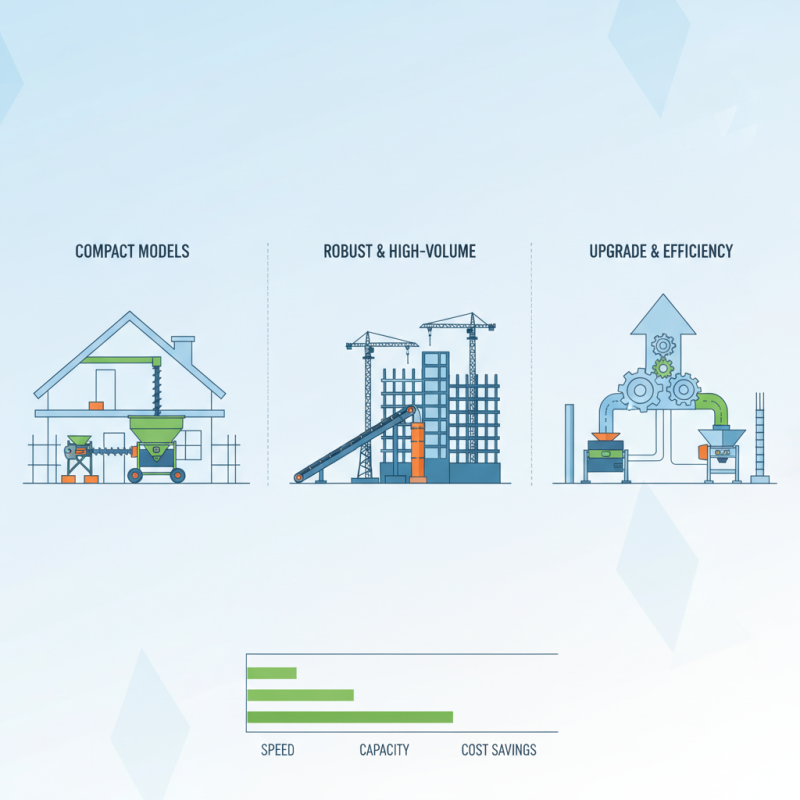
However, selecting the right Cement Feeder is not always straightforward. Different projects require different solutions. For instance, some sites may benefit from compact models, while others need robust feeders capable of handling larger volumes. Understanding the specific construction needs can guide professionals in making better choices.
Moreover, not all Cement Feeders are created equal. Variability in design, size, and output can lead to challenges if not carefully evaluated. It’s important to reflect on the efficiency of current equipment and consider upgrades when necessary. The right choice can lead to significant time and cost savings, solidifying a reputation for delivering projects on schedule.
Overview of Cement Feeders and Their Importance in Construction
Cement feeders play a crucial role in construction, providing a steady supply of material for various applications. According to industry reports, the demand for efficient cement feeders has increased by 15% over the past five years. This trend reflects the construction industry's need for reliable solutions to enhance productivity.
Modern cement feeders are designed for precision and efficiency. They help minimize material wastage, ensuring that up to 95% of the cement is used effectively. However, not all feeders are created equal. Some older models lack automation and can lead to inconsistent feed rates, resulting in quality issues. This inconsistency can slow down projects and inflate costs.
Another important aspect is maintenance. Neglecting regular upkeep can result in equipment failure, delaying construction timelines. A recent survey found that 30% of companies reported unplanned downtime due to feeder malfunctions. The importance of reliable and efficient cement feeders cannot be overstated—they are essential for meeting modern construction demands and ensuring project success.
Types of Cement Feeders Used in Modern Construction Projects
Cement feeders are critical to modern construction projects. They ensure the efficient delivery of cement to various stages of construction. Different types of cement feeders have emerged, each serving unique purposes. The most common ones include screw feeders, pneumatic feeders, and bucket elevators.
Screw feeders are popular for their simplicity and reliability. They transport cement through a rotating screw within a tube. This method is effective for controlled flow and minimal dust emissions. On the other hand, pneumatic feeders utilize air pressure to move cement. They are often preferred for long-distance transport and when dealing with bulk materials. Bucket elevators, while less common, offer a space-saving solution for vertical transport.
However, choosing the right cement feeder can be challenging. Each type has advantages and potential drawbacks. For example, screw feeders may struggle with very fine cement. Pneumatic systems can be more expensive due to maintenance needs. It's crucial to assess the specific requirements of a project carefully. Every construction site is unique, and the right equipment can significantly enhance efficiency and reduce waste.
Top Cement Feeder Solutions for Efficient Construction Needs
| Cement Feeder Type | Capacity (tons/hour) | Mechanism | Suitability | Features |
| Gravity Feeder | 10-15 | Gravitational | Small to Medium Projects | Simple design, low maintenance |
| Screw Feeder | 20-30 | Mechanical | Medium to Large Projects | Consistent feed rate, versatile |
| Pneumatic Feeder | 15-25 | Air pressure | Large Scale Operations | Fast and efficient, minimizes dust |
| Belt Feeder | 25-35 | Belt system | Continuous feeding | High efficiency, suitable for bulk material |
Key Features to Consider When Choosing a Cement Feeder
Choosing the right cement feeder is crucial for construction efficiency. Key features to consider include capacity, material compatibility, and ease of maintenance. According to a recent industry report, the market for cement feeders is projected to grow by 5.2% annually. This growth reflects the increasing demand for specialized equipment in construction projects.
Capacity matters significantly. A cement feeder should match the scale of your operations. Smaller projects may only require a feeder with a capacity of 1 to 2 tons per hour. In contrast, larger projects may need feeders that can handle over 10 tons per hour. Furthermore, compatibility with various materials is essential. Different types of cement may interact differently in feeders. The right equipment reduces downtime and enhances productivity.
Maintenance is often overlooked. It's vital to choose feeders designed for easy cleaning and repair. Regular maintenance reduces the risk of breakdowns, which can stall projects. Reports indicate that an average construction site can lose up to 20% of scheduled time due to equipment failures. Investing in a reliable cement feeder minimizes such risks. Attention to these details ensures efficient construction processes.
Advantages of Efficient Cement Feeding Systems in Construction
Efficient cement feeding systems play a crucial role in modern construction. By optimizing material transfer, these systems enhance productivity on-site. A streamlined feeding process minimizes delays and ensures timely project completion. This efficiency ultimately leads to cost savings, a significant factor for builders and developers.
Moreover, these systems contribute to improved safety. With automated feeding, the risk of human error decreases. Workers can focus on other essential tasks, reducing accidents. However, it’s important to ensure regular maintenance. Neglecting this can lead to malfunctions, impacting overall efficiency. A proactive approach to system checks is vital for sustained performance.
Additionally, effective cement feeding systems can adapt to different project requirements. Flexibility in material handling allows contractors to switch between various mixes. Yet, challenges may arise in calibrating these systems for diverse applications. Continuous training for operators ensures that they can manage these complexities. A skilled workforce is essential for maximizing the benefits of advanced feeding technology.
Top Cement Feeder Solutions for Efficient Construction Needs
This bar chart illustrates various cement feeding methods used in construction and their effectiveness ratings on a scale from 1 to 10. Higher ratings indicate better efficiency in cement feeding systems, crucial for optimizing construction processes.
Innovative Technologies in Cement Feeding Solutions for Effective Use
Cement feeding solutions are crucial for modern construction projects. With innovative technologies emerging, efficiency in this sector has significantly improved. Data from recent industry reports highlight that automated cement feeding systems can reduce labor costs by up to 30%. This not only enhances productivity but also minimizes wastage, which is vital in an industry where margins can be tight.
New innovations, such as precise dosing systems and remote monitoring, allow for greater accuracy in material management. These systems can monitor cement levels in real-time, ensuring that supply meets demand without excess. Recent studies reveal that improper material handling can lead to a 15% increase in project costs. Inadequate feeding technologies often result in delays and unexpected expenses. Efforts to integrate IoT technology are improving transparency and control in cement feeding processes.
Despite these advancements, challenges remain. Many companies still rely on outdated systems, which can hinder efficiency. Investments in new technology can be substantial, creating a barrier for smaller firms. Addressing these issues is essential for the industry to fully benefit from modern feeding solutions. Continuous evaluation of these systems will enable more companies to leverage advancements that enhance overall operational performance.