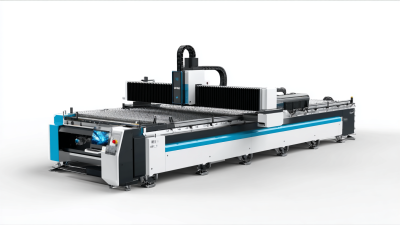
Why Choose a Fiber Laser Cutting Machine for Your Business?
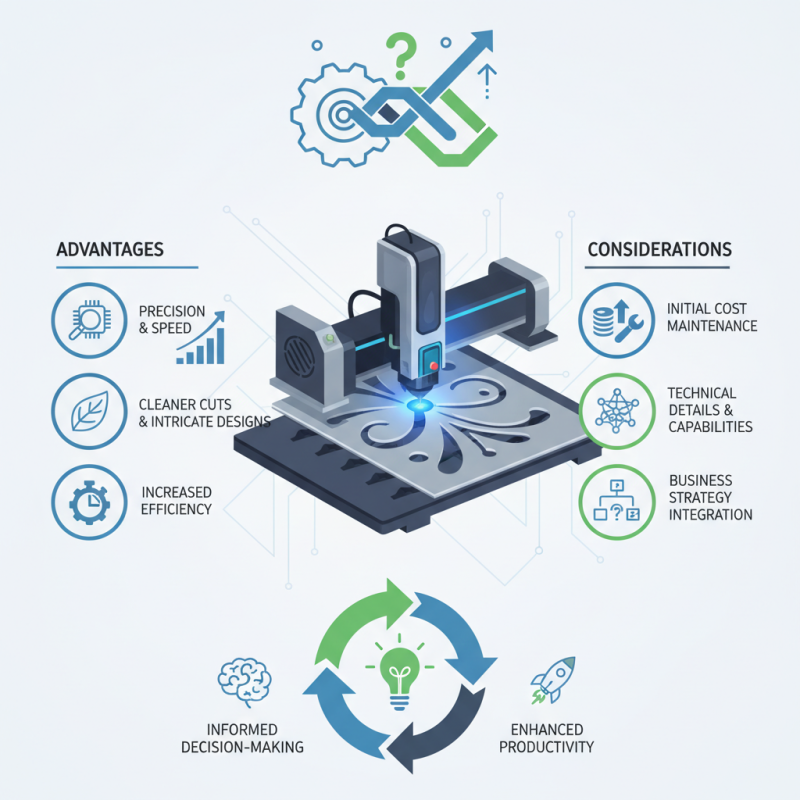
In today's competitive manufacturing landscape, choosing the right tools is crucial. A fiber laser cutting machine stands out for several reasons. Its precision and speed elevate production quality. This technology promises cleaner cuts and intricate designs, attracting many businesses.
Investing in a fiber laser cutting machine means embracing efficiency. However, it’s essential to consider the initial costs and maintenance challenges. Many businesses find themselves overwhelmed by technical details. Understanding the machine's capabilities and limitations can be daunting for newcomers.
Adopting a fiber laser cutting machine requires careful consideration. It’s not just about the equipment; it’s about how it fits into your business strategy. Reflecting on these factors can lead to better decision-making and, ultimately, enhanced productivity.
Benefits of Fiber Laser Cutting Machines for Industrial Applications
Fiber laser cutting machines are transforming industrial applications with their unmatched precision and speed. According to a report by ResearchAndMarkets, the global fiber laser market is projected to reach $9 billion by 2026, reflecting a rapid adoption rate. These machines excel in providing clean cuts on various materials, including metals and composites. Their cutting speed can be up to 30% faster than traditional laser systems, significantly reducing production time.
One of the key benefits of fiber laser cutting is efficiency. These machines consume less energy, which is crucial for reducing operating costs in manufacturing settings. Additionally, they produce less waste material during cuts, enhancing overall sustainability efforts. However, some users may find the initial investment daunting. This hesitation often stems from a lack of understanding of long-term savings on materials and operational costs.
Moreover, fiber laser technology delivers high-quality results, leading to minimal post-processing requirements. This advantage enhances productivity but also raises the bar for operators. Training is essential to fully leverage these capabilities. As industries continue to evolve, integrating fiber laser cutting machines could be a game-changer. Understanding their potential fully may require navigating some initial challenges.
Cost Efficiency and Long-Term Savings with Fiber Laser Technology
Fiber laser cutting technology stands out for its cost efficiency and potential long-term savings. The initial investment might seem high, but the reduced operational costs justify it over time. Fiber lasers consume less energy compared to traditional cutting methods. This means lower electricity bills and fewer resources wasted. Their ability to cut through various materials quickly also increases production speed, leading to more completed projects.
Maintenance is another aspect that enhances savings. Fiber laser systems are built to last and require less upkeep. This translates to fewer scheduled downtimes and lower repair costs. Companies can operate at peak efficiency with minimal interruptions. Additionally, the precision of fiber lasers means reduced material waste. Manufacturers can maximize their raw materials, which is critical in today’s competitive market.
However, adopting this technology may bring challenges. Staff training is essential to ensure safe operation and optimal use of the equipment. Some businesses might resist change, facing a steep learning curve. Despite these hurdles, the long-term benefits of fiber laser cutting machines often outweigh the initial struggles. Embracing innovation is key to staying relevant in the industry.
Cost Efficiency and Savings of Fiber Laser Cutting Machines
Precision and Quality: How Fiber Lasers Enhance Cutting Accuracy
Fiber lasers are revolutionizing the cutting industry. Their precision sets them apart. According to a recent report by the Laser Institute of America, fiber lasers can achieve a cutting accuracy of ±0.01 mm. This level of precision is crucial when working with intricate designs and complex geometries. The consistent output ensures that each cut remains true to specifications, minimizing waste and rework.
The technology behind fiber lasers allows for impressive speeds without sacrificing quality. A study by the International Society for Optical Engineering found that fiber lasers can cut metal up to four times faster than conventional methods. Many businesses have reported a 30% reduction in production time. However, a challenge remains in adapting to new technologies. Training your team is crucial to fully leverage these capabilities. Understanding both the strengths and limitations of fiber lasers is key to optimizing their use in diverse applications.
Despite the advantages, some issues can arise. Misalignment can occur if setup procedures are not followed accurately. Regular maintenance is essential to ensure that the cutting head remains clean and calibrated. These factors highlight the importance of ongoing education and adaptation in the industry. Balancing technology with human expertise will lead to the most successful outcomes in precision cutting.
Versatility of Fiber Lasers in Various Materials and Industries
Fiber laser cutting machines offer incredible versatility across various materials and industries. These machines effectively cut through metals, plastics, and composites with high precision. The capability to work with diverse materials sets fiber lasers apart. This adaptability makes them ideal for manufacturers in sectors such as automotive, aerospace, and electronics.
One notable advantage of fiber lasers is their ability to produce intricate designs. They can handle complex shapes and detailed cut patterns, which traditional cutting methods often struggle with. For example, artists and designers benefit from this technology in creating customized pieces. However, it's important to recognize that mastering such machines requires training. Operators must understand settings and materials to achieve optimal results.
In environments where different materials are frequently used, fiber lasers excel. They can switch easily between tasks while maintaining efficiency. Nevertheless, businesses must keep maintenance in mind. Regular check-ups ensure consistent performance. Sometimes, operators may overlook minor issues, resulting in downtime. Reflecting on operational practices can lead to improvements in efficiency and output quality.
Ease of Use and Maintenance of Fiber Laser Cutting Equipment
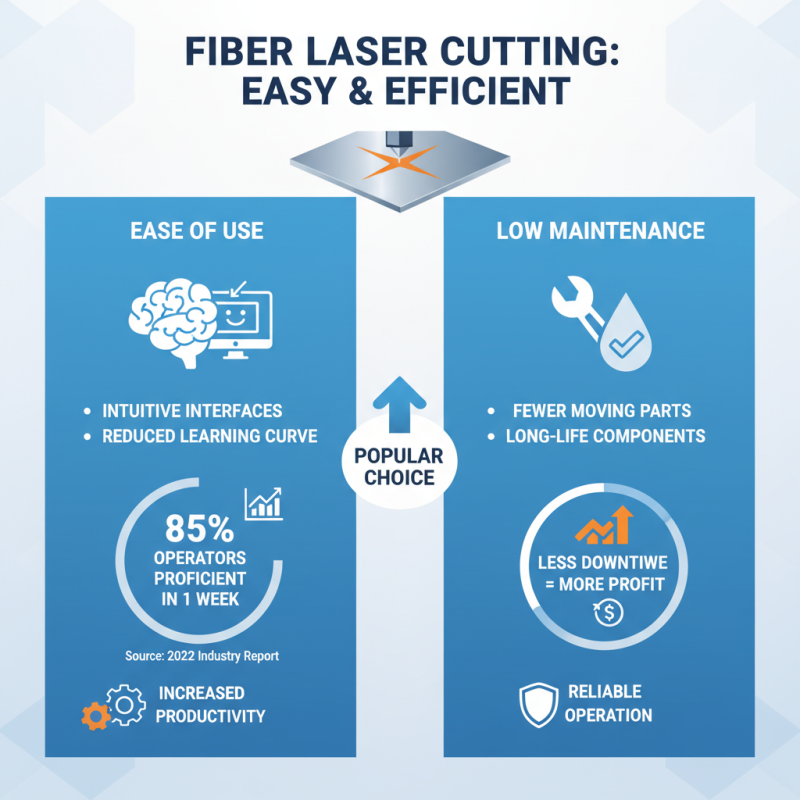
Fiber laser cutting machines are becoming increasingly popular due to their user-friendly nature and low maintenance requirements. These machines often feature intuitive interfaces that reduce the learning curve for operators. According to a 2022 industry report, 85% of operators could start using fiber lasers effectively within the first week of training. This ease of use is crucial for businesses looking to increase productivity.
Maintenance tasks are straightforward with fiber laser equipment. Most models require minimal routine care, often just periodic lens cleaning and software updates. A study indicated that companies using fiber lasers report up to 30% lower operational downtime compared to traditional cutting machines. However, some users note that improper handling can still lead to performance issues. Training and familiarization with the equipment remain key to maximizing efficiency.
While fiber laser technology offers exceptional benefits, challenges do exist. For example, understanding the intricacies of software updates and potential troubleshooting is essential. Even though maintenance is generally simple, overlooking small issues can lead to larger complications down the line. Adopting a proactive approach to both operation and upkeep can significantly influence overall machine performance and longevity.