Why Choose a Laser CNC Machine for Your Business Needs?
In today's competitive landscape, choosing the right equipment for your business is crucial. A laser CNC machine stands out as a powerful tool for precision in manufacturing. According to industry expert Dr. Emily Hart, "The laser CNC machine redefines accuracy in production." This statement highlights the impact of laser technology on various industries.
Laser CNC machines offer unparalleled versatility. They can cut, engrave, and etch various materials, providing immense flexibility for businesses. From metal to wood, the capabilities seem almost limitless. However, it's essential to consider the initial investment and maintenance costs. A quality laser CNC machine may require a significant upfront budget, which can be daunting.
Moreover, the technology is not without challenges. Operating a laser CNC machine requires skilled personnel. Businesses must invest in training to ensure effective usage. As the market evolves, staying updated is necessary to maximize the benefits of these machines. Ultimately, the decision to incorporate a laser CNC machine hinges on balancing costs, skills, and potential for precision.
Benefits of Laser CNC Machines for Precision Cutting and Engraving
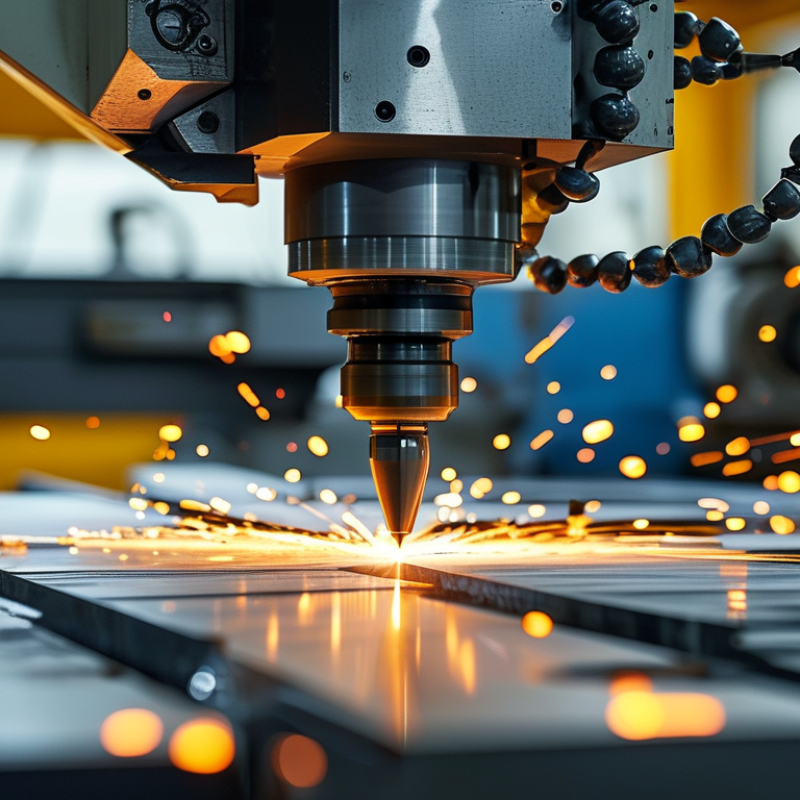
Laser CNC machines offer incredible precision in cutting and engraving. They utilize focused laser beams to achieve detailed designs, making them invaluable for various industries. Whether it’s intricate signage or delicate patterns on wood, laser machines provide a level of accuracy that other tools often cannot match.
One important tip is to choose the right material for your projects. Different materials react differently to laser cutting. For instance, wood can burn or warp if not properly set, while acrylic can melt if the settings are too high. Testing settings on scrap materials before starting your main piece can prevent costly mistakes.
Another aspect to consider is the maintenance of the laser CNC machine. Regular cleaning and calibration enhance its performance. Neglecting these tasks might lead to inconsistent cuts. Also, observe operational safety. Always wear proper protective gear and ensure the workspace is clear of hazards. Fine-tuning these elements can significantly improve workflow and output quality.
Comparison of Laser CNC Machines with Traditional Machining Techniques
Laser CNC machines have made significant strides in manufacturing. They offer precision and speed, setting them apart from traditional machining methods. Reports indicate that laser cutting can achieve tolerances of ±0.1 mm, while conventional machining often struggles to maintain such accuracy, especially on complex shapes. This high precision leads to less waste and reduces material costs, enhancing overall efficiency.
Another critical advantage lies in the versatility of laser CNC machines. They can cut various materials, including metals, plastics, and wood. According to industry statistics, over 70% of manufacturers cite material flexibility as a crucial benefit when incorporating laser technology. Traditional machining often requires multiple tools or setups for different materials, increasing the time and cost involved.
However, one must acknowledge potential downsides. Initial costs for laser CNC systems can be higher, presenting a challenge for small businesses. Additionally, operator training is essential to optimize the machine's capabilities. Inadequate training may lead to mistakes and increased downtime. As the industry evolves, weighing these factors becomes essential when considering a transition to laser technology. Each business must assess its unique needs before making a decision.
Key Features to Consider When Choosing a Laser CNC Machine
When selecting a laser CNC machine, several key features warrant careful consideration. The power of the laser is crucial. Higher wattage allows for faster cutting and the ability to process thicker materials. For businesses focused on versatility, machines that can handle various materials, such as wood, acrylic, and metal, are ideal. This flexibility can enhance product offerings and appeal to a broader customer base.
Another essential consideration is the machine's software compatibility. User-friendly software simplifies operation and design integration. Look for machines that support popular design formats. Staying updated with software can be challenging, so reliability is key. Ensure the manufacturer offers robust support and documentation.
The machine's build quality is also vital. A sturdy frame reduces vibrations, improving cut precision. Evaluate the customer reviews and case studies to gauge performance. Not all machines perform equally in real-world scenarios, so research is necessary. Impulse buying can lead to regrets later. Take your time to weigh the pros and cons of each option before making a decision.
Applications of Laser CNC Technology Across Various Industries
Laser CNC technology has transformed various industries with its precision and efficiency. In manufacturing, it cuts materials like metal, wood, and plastic with unmatched accuracy. The ability to create complex designs boosts creativity and productivity. Custom components become a reality, pushing businesses ahead of the competition.
In the automotive sector, laser CNC machines are vital for producing parts. They ensure tight tolerances and rapid prototyping. This agility allows manufacturers to innovate quickly. Similarly, the aerospace industry relies on laser cutting for lightweight and strong materials. The impact on safety and performance is significant.
In the arts and crafts world, laser CNC technology elevates creativity. Designers can engrave intricate patterns and shapes on various surfaces. This broadens the possibilities for personalization. However, operators must invest time in training to master the software. Errors can arise from inexperience, leading to wasted materials. This highlights the importance of skilled personnel in laser technology applications.
Applications of Laser CNC Technology Across Various Industries
Cost-Effectiveness and Return on Investment of Laser CNC Machines
Laser CNC machines are becoming essential in many industries. The cost-effectiveness of these machines is a major selling point. According to industry reports, businesses can save up to 30% on material costs when using laser technology. This efficiency comes from reduced waste and optimized cutting paths. In addition, laser CNC machines often require less maintenance compared to traditional methods, further lowering operating costs.
The return on investment (ROI) from laser CNC machines can be significant. A well-implemented laser system can achieve an ROI of 150% within two years. This is largely due to increased production speeds. Companies report that laser CNC machines can cut processing time by as much as 50%. The ability to handle complex designs with ease adds to the overall value. However, the initial investment may be daunting. It’s important for businesses to evaluate whether the long-term savings justify this upfront cost.
With these machines, precision and versatility are key benefits. They allow businesses to venture into new markets, which can enhance profitability. Still, companies must consider their specific needs and applications. Assessing both machine capabilities and production goals is crucial before making a decision. Subsequently, the potential for growth and expansion should guide these investments.
Why Choose a Laser CNC Machine for Your Business Needs?
| Feature |
Advantage |
Cost-Effectiveness |
Expected ROI (%) |
| Precision Cutting |
High Accuracy |
Reduces Waste Material |
30% |
| Versatility |
Multiple Materials |
Ability to Expand Services |
25% |
| Lower Maintenance |
Reduced Downtime |
Lower Long-term Costs |
20% |
| Automation Capabilities |
Improved Efficiency |
Labor Cost Savings |
35% |
| Speed |
Fast Production |
Shorter Lead Times |
40% |