Why Choose a Laser Fabric Cutter for Your Business Needs?
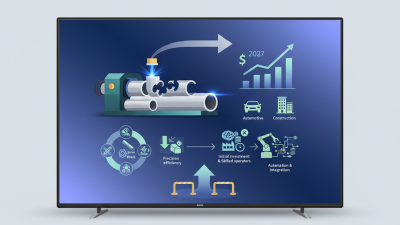
In the fast-evolving textile industry, efficiency and precision are paramount. The adoption of a laser fabric cutter offers businesses a significant edge in operational effectiveness. According to a report by TechNavio, the global laser cutting machine market is projected to reach USD 6.3 billion by 2025. This growth highlights the increasing reliance on advanced technologies for fabric processing.
Laser fabric cutters provide unparalleled accuracy, minimizing material waste. They enable intricate designs that traditional methods struggle to achieve. A study by the International Journal of Advanced Manufacturing Technology notes that laser cutting reduces production time by up to 30%. This speed translates to higher productivity, essential for meeting the demands of an ever-competitive market.
However, integrating a laser fabric cutter requires careful consideration. Initial costs are higher compared to traditional cutting methods. Some businesses may face learning curves when adopting this technology. Despite these challenges, the long-term benefits often outweigh the drawbacks, driving the shift towards laser cutting solutions in the textile sector.
Benefits of Using Laser Fabric Cutters in Modern Manufacturing
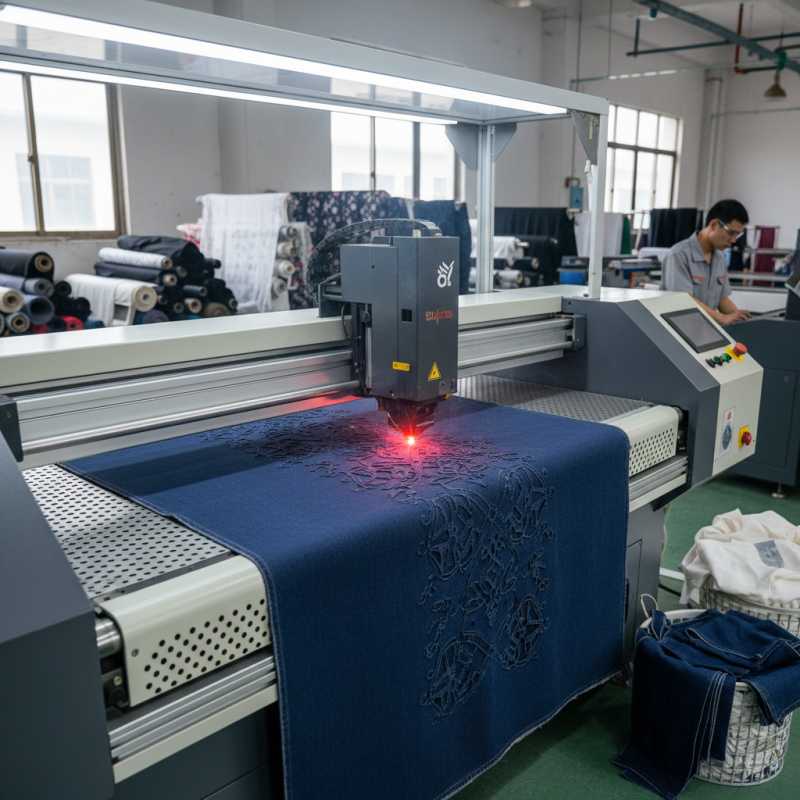
Laser fabric cutters are transforming modern manufacturing. These machines provide precision and speed that traditional methods often lack. According to a report from the Fabricated Textile Association, companies using laser cutting technology have seen a 30% increase in productivity. This data showcases how lasers can streamline fabric processing effectively, making them an ideal choice for businesses aiming to enhance efficiency.
One of the major benefits of laser cutters is their ability to reduce waste. Laser technology can achieve intricate cuts that minimize fabric loss. A recent study by the Textile Research Journal highlighted a reduction in material waste by up to 15% when switching to laser cutting. This is significant for businesses focused on sustainability and cost efficiency. However, while the initial investment is high, the long-term savings and benefits can outweigh these costs.
Beyond efficiency, laser fabric cutters offer versatility. They can cut various materials with different thicknesses without changing tools. This adaptability is vital in a fast-paced market where customization is key. Yet, the technology requires skilled operators. Training and expertise are essential for maximizing the benefits of laser fabric cutting. Inadequate knowledge can lead to mistakes and inefficiencies, posing a challenge for businesses.
Key Features of Laser Fabric Cutters That Enhance Efficiency
Laser fabric cutters have revolutionized the textile industry. They are known for their precision and speed. One key feature is their ability to create intricate designs. This precision reduces fabric waste significantly, increasing overall efficiency.
Another notable feature is the speed of operation. Laser cutters can handle multiple layers of fabric at once. This capability allows businesses to produce large quantities in a short time. However, operators must continually monitor the machine to ensure optimal performance. Mistakes in settings can lead to uneven cuts, potentially wasting materials.
Safety is also a crucial consideration. Modern laser cutters include safety features such as enclosure systems. These features protect operators from harmful fumes and light exposure. Yet, understanding these safety measures can be challenging for some users. Regular training and awareness are essential. Overall, while laser fabric cutters offer great benefits, they require careful handling and constant attention.
Cost-Effectiveness of Laser Cutting Technology for Businesses
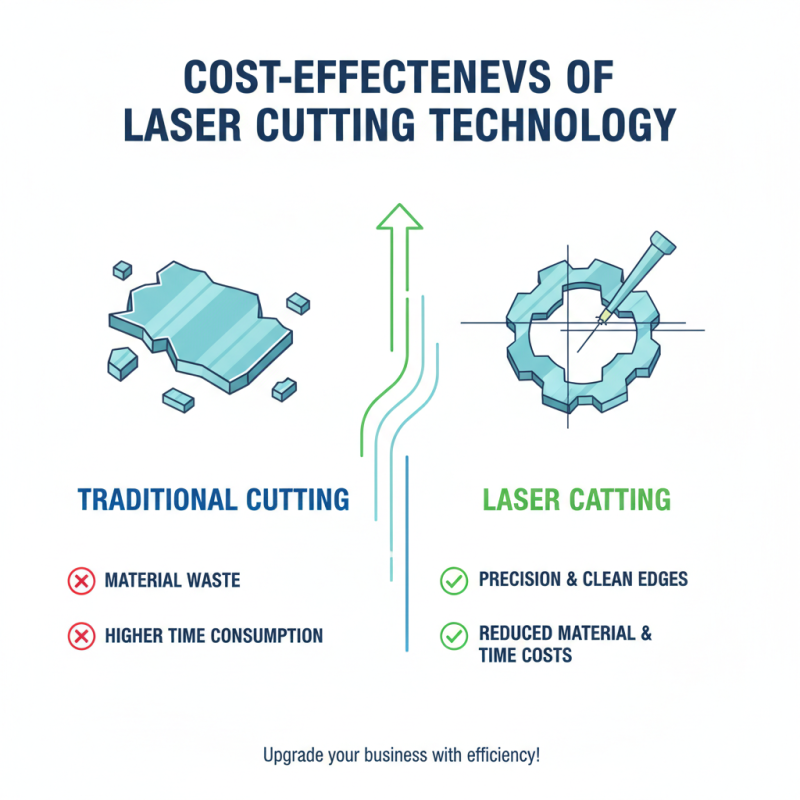
In recent years, laser cutting technology has gained popularity among businesses. This trend is largely due to its cost-effectiveness. Traditional cutting methods often lead to material wastage. In contrast, laser cutting ensures precision. The process uses focused beams to create clean edges. This efficiency reduces both material costs and time.
Investing in laser fabric cutters can yield significant savings. The operating costs are typically lower than conventional machinery. They consume less energy, which translates to savings over time. Moreover, maintenance is often minimal. Businesses can redirect resources to other critical areas. The initial investment may seem high, but the long-term benefits outweigh this concern.
However, it's important to be mindful of potential challenges. Understanding the technology requires time and training. Employees must learn to operate the equipment effectively. This can present a temporary hiccup for some businesses. Additionally, while lasers are precise, misalignment can occur if not monitored. Regular checks and assessments are necessary. Balancing these factors is crucial for achieving maximum cost-effectiveness.
Comparative Analysis: Laser Cutting vs. Traditional Cutting Methods
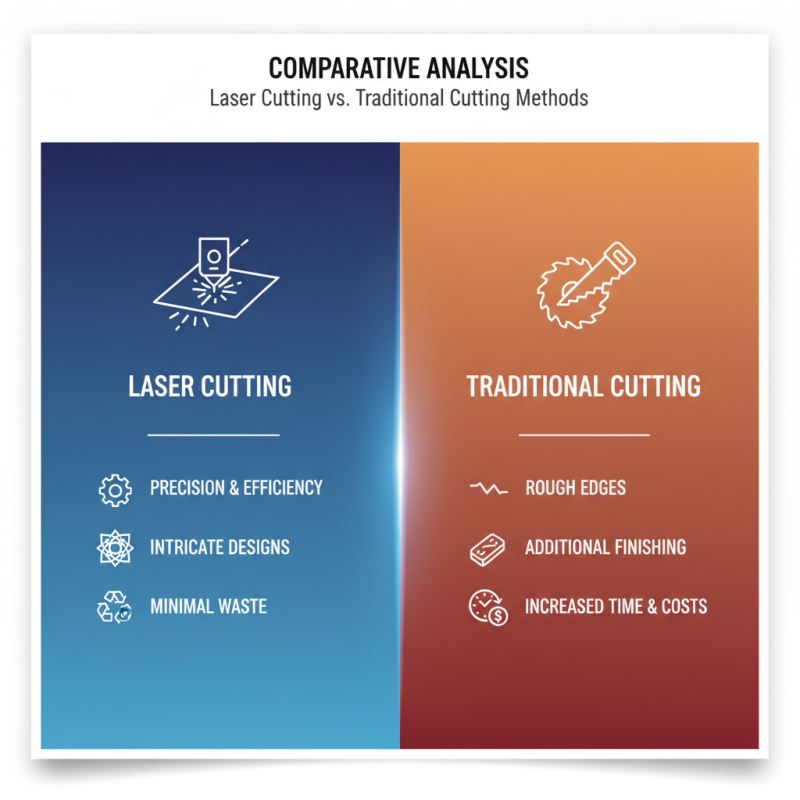
Laser cutting technology has revolutionized the manufacturing landscape. Compared to traditional cutting methods, it offers precision and efficiency. Businesses can achieve intricate designs with minimal waste using lasers. Traditional methods often leave rough edges, requiring additional finishing work. This adds time and costs to projects.
Another key advantage is speed. Laser cutters can process materials much faster than conventional tools. This speed translates to quicker turnaround times for clients. However, some might struggle with the initial investment needed for laser cutting machinery. There’s also a learning curve associated with operating these advanced systems.
Reliability is crucial in any business. Laser cutters provide consistent results, while human error in manual cutting can compromise quality. Still, operators must regularly maintain the equipment to ensure optimal performance. Ignoring maintenance can lead to unexpected downtime. In summary, laser cutting presents both significant advantages and challenges. Businesses must weigh their options carefully.
Applications of Laser Fabric Cutters Across Various Industries
Laser fabric cutters are transforming various industries due to their precision and efficiency. In the fashion industry, for example, these machines allow designers to cut intricate patterns quickly. This reduces fabric waste and speeds up production, leading to cost savings. In the automotive sector, laser cutters help manufacture lightweight materials, optimizing fuel efficiency for vehicles.
The use of laser fabric cutters isn't limited to large industries. Small businesses can also benefit from this technology. Custom t-shirt businesses are now using lasers to create detailed designs with minimal setup time. This technology allows for quick adjustments, perfect for personalized orders.
Tip: Invest in training for your team. Understanding the machine's capabilities ensures you maximize its potential.
Consider the challenges of adopting new technology. Integrating a laser cutter into an existing workflow might require adjustments. You may encounter a learning curve. It's important to conduct regular maintenance checks to avoid delays in production.
Tip: Regularly review your cutting patterns. This can help identify areas for improvement and reduce material waste.