How to Choose the Right Propeller Pump System for Your Needs?
Choosing the right Propeller pump system is crucial for many industries. According to Dr. John Stevens, a leading expert in hydraulic engineering, "Selecting the appropriate propeller pump system can significantly impact efficiency and operation." Understanding the specific needs of your application is essential.
Various factors influence this decision. You must consider flow rates, head requirements, and the type of fluid being pumped. Each detail can change overall performance. For example, in agricultural applications, a propeller pump system must handle varying fluid viscosities. This adds complexity to the selection process.
It's not a straightforward task. Many options exist on the market. Some systems may look appealing but lack the necessary efficiency for your specific use. Misjudging your requirements can lead to poor performance and increased costs. Assessing your needs thoroughly can help avoid these pitfalls. By paying attention to detail, you can choose a propeller pump system that meets your demands effectively.
Understanding the Basics of Propeller Pump Systems
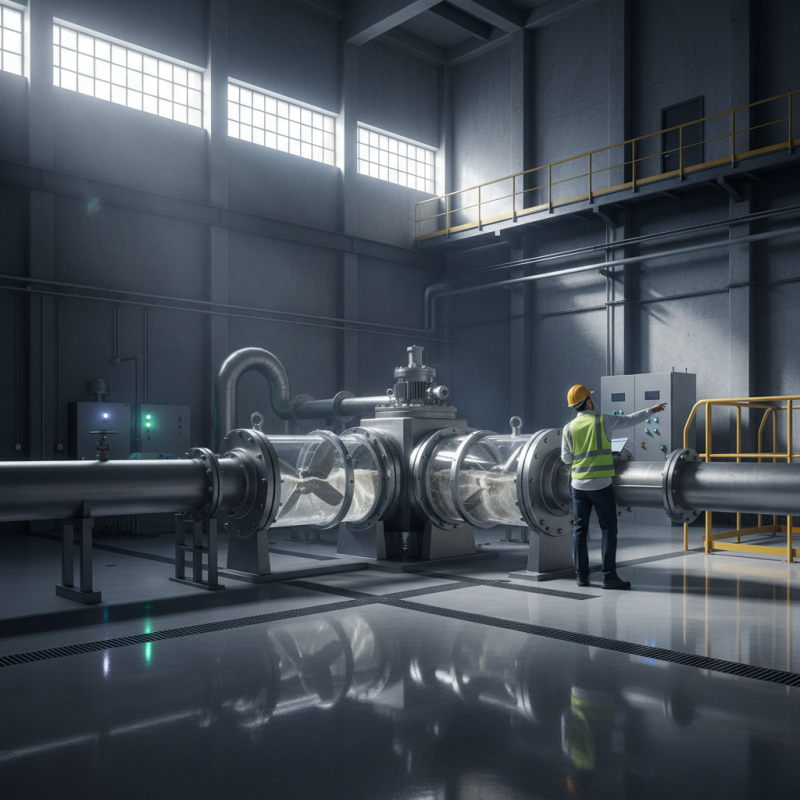
Propeller pump systems are vital in various applications, from irrigation to wastewater management. These pumps function by moving water through the rotation of propellers. Understanding how they operate is crucial for making an informed choice. Key factors include flow rate, head, and energy efficiency. Each of these elements directly affects performance.
Flow rate measures how much fluid moves through the pump. It's often dictated by the specific application needs. Head, on the other hand, refers to the height the pump can lift the water. Both elements play a role in the overall system efficiency. Energy efficiency is essential, as it can influence operational costs significantly.
Keep in mind potential obstacles too. Installation and maintenance are common pain points. The interplay of various components can lead to inefficiencies if not properly managed. It's easy to overlook minor details, yet they often determine success. Reflecting on previous projects can guide improvements in future choices. Adopting a thorough understanding is the first step in making the right decision.
Factors to Consider When Selecting a Propeller Pump
When selecting a propeller pump system, several key factors play a significant role. One must consider the flow rate required for your application. Assessing the volume of water to be pumped ensures the system can efficiently meet your needs. A mismatch in flow rates can lead to performance issues, potentially affecting project outcomes. Additionally, evaluating the head pressure is crucial. This is the height the pump needs to lift the fluid. Calculating head pressure involves understanding the system layout and any elevation changes.
Another important aspect is the pump material. Different materials withstand various conditions, such as corrosion or temperature changes. Choosing the right material can enhance longevity and decrease maintenance. It's also vital to think about the power source for your pump. Electric, diesel, or solar are common options, and each has its advantages and drawbacks. Analyzing location and energy availability ensures optimal operation.
Lastly, maintenance requirements should not be overlooked. Some systems allow easy access for repairs, while others might require specialized tools or service. Understanding these needs can help avoid costly downtime. Reflect on your specific operational conditions and long-term intentions. A thoughtful approach will guide you toward selecting a propeller pump system best suited for your needs.
How to Choose the Right Propeller Pump System for Your Needs?
Common Applications for Propeller Pump Systems
Propeller pump systems find their niche in various industrial applications. They are particularly effective for moving large volumes of liquids at relatively low pressures. This versatile equipment is commonly used in irrigation, water treatment, and flood control. According to a report from the American Society of Agricultural and Biological Engineers, about 60% of irrigation systems utilize propeller pumps due to their efficiency.
In water treatment facilities, these pumps help efficiently circulate water for filtration and chemical dosing. A study from the Water Environment Federation indicates that using propeller pumps can reduce energy consumption by up to 30% when compared to other pump types. However, significant factors must be accounted for, such as fluid viscosity and potential wear from abrasive particles. This highlights the importance of thorough assessments before selecting a pump system. Overlooking these details can lead to inefficiencies or premature failures.
Flood control systems benefit greatly from the high flow rates of propeller pumps. These systems require quick responses to rising water levels. Reports show that maintaining a consistent pumping capacity can alleviate potential flooding by up to 25%. Yet, users must monitor operational conditions regularly. Neglect can result in costly repairs or operational downtime. While propeller pumps are highly reliable, their performance is contingent on proper maintenance and oversight.
How to Choose the Right Propeller Pump System for Your Needs? - Common Applications for Propeller Pump Systems
| Application | Typical Flow Rate (GPM) | Head (Feet) | Efficiency (%) | Best For |
| Irrigation | 200 - 3000 | 10 - 30 | 70 - 85 | Agricultural Needs |
| Wastewater Treatment | 100 - 5000 | 15 - 25 | 60 - 80 | Sewage Handling |
| Flood Control | 500 - 5000 | 10 - 20 | 75 - 90 | Emergency Services |
| Industrial Circulation | 100 - 10000 | 20 - 40 | 80 - 90 | Manufacturing Processes |
| Marine Applications | 100 - 2000 | 5 - 15 | 70 - 85 | Boat and Ship Operations |
Comparing Different Types of Propeller Pumps
When selecting a propeller pump system, it's essential to understand the different types available. Propeller pumps are primarily categorized into vertical and horizontal designs. Vertical propeller pumps excel in deep-water applications, pulling water from significant depths. These pumps are often used for irrigation or drainage in agricultural settings.
On the other hand, horizontal propeller pumps are well-suited for surface water applications. They are commonly employed in municipal water systems, where water needs to be moved efficiently over shorter distances. Consider the operational environment and specific requirements when choosing between these types. It’s not uncommon to encounter challenges with sizing and efficiency. For instance, a pump that works well in one application may not perform effectively in another.
Installation and maintenance also vary between the types. Vertical pumps often require complex installation processes and additional support structures. Regular maintenance is crucial for both types, as neglect can lead to reduced efficiency or pump failure. The differences may seem minor, but they can significantly impact performance and longevity. Understanding these nuances will guide your decision-making process.
Maintenance and Operational Considerations for Propeller Pumps
When it comes to maintaining a propeller pump system, attention to detail is essential. Regular inspections can greatly enhance the system's efficiency. Check for any signs of wear and tear. Corroded parts can lead to larger problems down the line. Frequent monitoring will help prevent costly repairs.
Tips: Schedule routine maintenance checks. If you notice unusual noise or vibrations, investigate immediately. Small issues can escalate quickly if ignored.
Operational efficiency hinges on proper alignment and installation of the pump. Misalignment can cause premature wear and reduced performance. Regularly check the alignment and make adjustments as needed. Be mindful of the system's flow rate; fluctuations can impact longevity.
Tips: Use vibration analysis tools periodically. These can reveal hidden alignment issues. Keep an organized log of all maintenance activities to track performance trends.
Always consider the environment where the pump operates. Factors like temperature and moisture can affect performance. Be ready to adapt your maintenance strategy based on changing conditions. Reflect on past experiences to inform future practices.