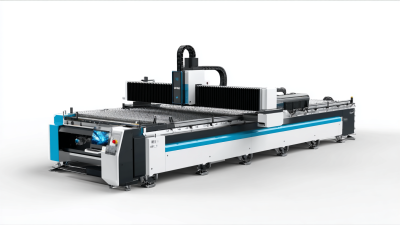
How to Choose the Best Pipe Laser Cutting Machine?
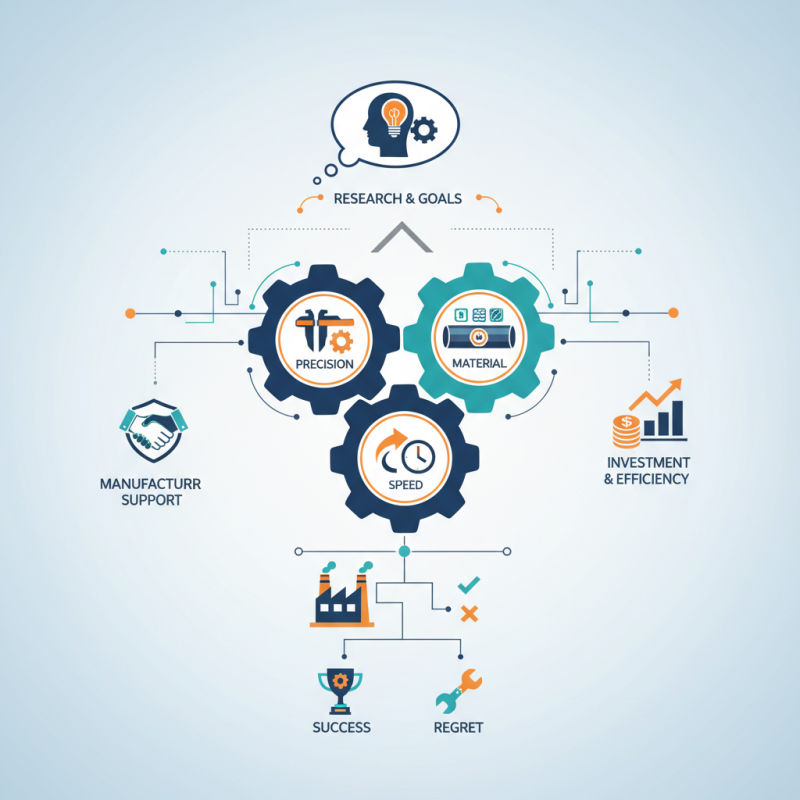
Choosing the right pipe laser cutting machine is crucial for manufacturers. Expert Mike Anders, a well-known figure in the pipe laser cutting industry, says, "Investing wisely in technology defines your production success." When selecting a machine, consider precision, speed, and material compatibility.
The market offers many options. Each machine has unique features. Some may excel in speed but sacrifice precision. Others may offer high accuracy but lack versatility. It's essential to balance these factors based on your specific needs. Additionally, not all manufacturers provide the same support, which can impact your long-term satisfaction.
Remember, investing in pipe laser cutting technology isn't just a purchase; it's a commitment to quality. Reflect on your production goals. Will the new machine enhance your efficiency? Ensure that you do thorough research before making a decision. The right choice can lead to significant gains, but a hasty decision can cause regrets later.
Understanding the Basics of Pipe Laser Cutting Machines
Pipe laser cutting machines have revolutionized the fabrication industry. These machines offer precision and speed that traditional cutting methods cannot match. For example, a report by Research and Markets indicates that the global laser cutting machine market is expected to grow by 5.6% annually, highlighting the increasing reliance on this technology.
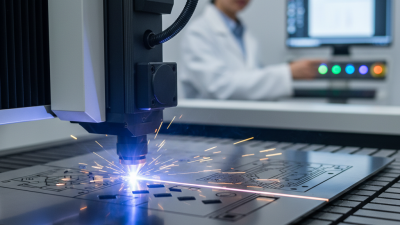
Understanding the basics of pipe laser cutting is crucial. These machines use focused laser beams to cut through materials like metal and plastic. They typically feature a moving head that directs the laser, making complex shapes possible. However, selecting the right machine can be challenging. Users must consider factors such as the type of material, thickness, and desired speed. Some machines may struggle with thicker materials, leading to inefficiencies.
Another key point is maintenance. Although pipe laser cutting machines can run for long periods, they require regular upkeep. Neglecting this can result in decreased performance and longer downtime. According to a survey by Technavio, about 30% of manufacturing downtime is caused by machine failures. This statistic emphasizes the importance of proper machine care in maintaining efficiency and productivity.
Key Features to Consider When Selecting a Pipe Laser Cutter
Choosing a pipe laser cutting machine involves considering several key features.
Precision is crucial. A machine that offers high accuracy ensures clean cuts. According to a recent industry report, precision laser cutters can achieve tolerances of about ±0.1 mm. This level of accuracy reduces waste and increases the quality of the final product.
Speed is another vital aspect. Some laser cutting machines can work at speeds up to 60 meters per minute. Faster cutting speeds enhance efficiency but may compromise on quality if not paired with the right technology. It’s important to find a balance between speed and precision to meet production demands.
Tips: Always assess the machine's capability to handle different pipe sizes. Check for adaptable options. Ensure the cutter can manage various materials, too. Flexibility in operation can save time and resources. Lastly, investigating after-sales support is essential. Reliable support can significantly ease maintenance challenges and improve the overall experience.
Types of Pipe Laser Cutting Technologies and Their Applications
When choosing a pipe laser cutting machine, understanding the various technologies is crucial. The most common types include fiber lasers and CO2 lasers.
Fiber lasers are known for their efficiency and precision. They work best with metal materials, cutting cleanly through steel and aluminum. The speed of fiber lasers can be impressive, but they may not always suit thicker materials.
CO2 lasers, on the other hand, offer versatility. They can cut different materials, including plastics and wood, making them popular in various industries. However, they typically have slower cutting speeds, especially on metal. They also require more maintenance than fiber systems.
Users must weigh their options based on the materials they intend to work with.
Additionally, considerations such as power consumption and operating costs should not be overlooked. A visually captivating cut can attract customers, but a machine that constantly breaks down can hurt productivity. Reflecting on these aspects can lead to better long-term choices. Finding the balance between technology and application is essential for making an informed decision.
Evaluating Performance and Efficiency in Pipe Laser Cutting Machines
Choosing the right pipe laser cutting machine is crucial for optimizing production. Performance and efficiency are key factors to consider. First, examine the laser's cutting speed. A faster machine significantly improves productivity. However, speed should not compromise cutting quality. Precision is essential, especially for complex designs.
Next, analyze the machine's power output. Higher wattage leads to better cutting through thick materials. Yet, not all jobs require maximum power. It's essential to match the machine's capabilities with your specific needs. Additionally, consider the cooling system. An efficient cooling mechanism prolongs the machine's life but might add to operational costs.
Evaluate maintenance requirements as well. Complex systems may offer high performance but can lead to increased downtime. Simpler machines may lack advanced features but are easier to service. Balancing efficiency with manageable upkeep is necessary. Think about these aspects as you explore options. Reflect on your past experiences with different machines to guide your decision.
Cost Considerations and Budgeting for Pipe Laser Cutting Solutions
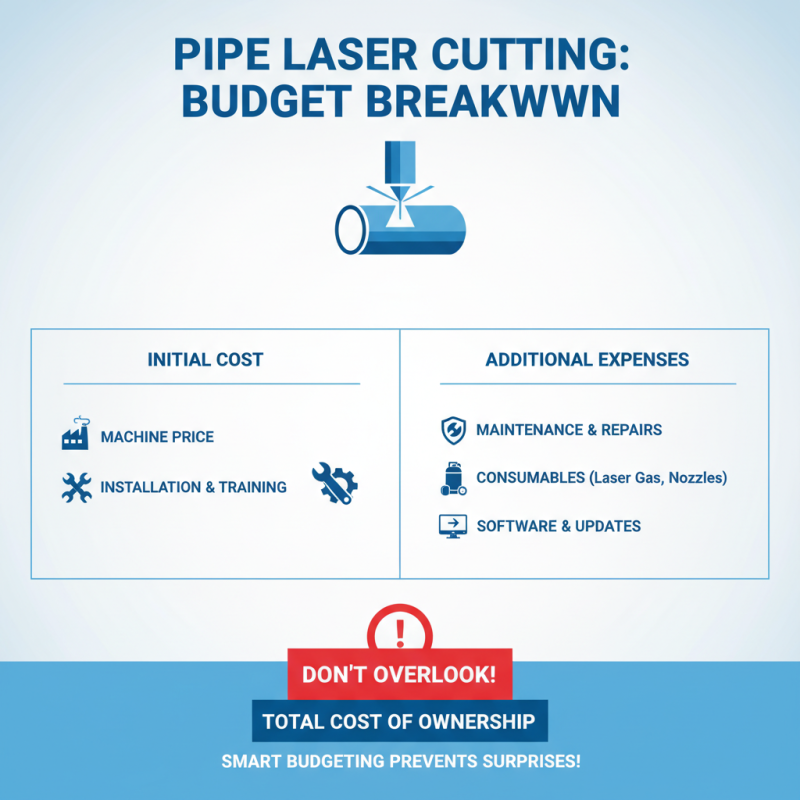
When considering a pipe laser cutting machine, budgeting is crucial. The initial cost often includes not just the machine itself but also additional expenses. These can range from installation and training to maintenance and consumables. It's common to overlook these factors. Many buyers focus solely on the price tag. This approach can lead to unexpected expenses down the line.
Next, assess your production needs. Understand the types of pipes you will be cutting. Different machines cater to different specifications. A machine that appears economical may not meet your requirements. This mismatch can result in increased costs due to inefficiency. Compare the long-term benefits versus the upfront price. Sometimes, investing a little more can yield significant savings over time.
Additionally, don’t forget to consider the potential for future upgrades. Technology evolves rapidly in this field. A machine that seems perfect now may fall short later. Reflect on your company’s growth plans. If expansion is on the horizon, budget for a machine that adapts to new demands. A comprehensive budget plan takes into account both current and future needs, ensuring you make a wise investment.