How to Choose the Best CNC Cutting Machine?

Choosing the best CNC cutting machine begins with the material, not the machine’s impressive brochure. Steel plate, aluminum sheet, acrylic, and wood demand different cutting speeds, power levels, and control systems. A workshop cutting 3-millimeter aluminum needs a different solution from a factory processing thick carbon steel every day.

Mike Lynch, a respected CNC programming educator, offers a useful principle: “Choose the machine for the work it must perform.” That sentence sounds simple. It is often ignored. Buyers may focus on maximum spindle power, brand reputation, or a low purchase price. Yet table size, cutting accuracy, software compatibility, maintenance access, and operator training can affect production more strongly. A machine that looks powerful may still waste material if its cutting area is too small. A cheaper model may become expensive when replacement parts arrive slowly.

This guide examines how to compare a CNC cutting machine with practical judgment. It considers cutting materials, machine structure, automation, safety features, operating costs, and expected workload. Real workshop details matter, including dust around the rails, heat near the cutting head, and the time required to change tools. Do not expect one machine to solve every problem. That assumption can lead to disappointment. Even experienced buyers sometimes underestimate software learning or installation requirements. The right choice should support reliable results today and reasonable upgrades later, while leaving room for honest evaluation after the first few months of use.

How to Choose the Best CNC Cutting Machine?

Define Your CNC Cutting Requirements and Production Goals

Choosing the best CNC cutting machine starts with defining your production requirements, not comparing advertised power ratings.

Identify the materials, maximum thickness, sheet sizes, tolerance, and expected daily output. A machine cutting thin aluminum differs greatly from one processing thick steel for long shifts. Measure the real workflow, including loading, fixturing, cutting, deburring, and inspection.

Production goals should be measurable. Set targets for parts per hour, acceptable scrap, setup time, and uptime.

The 2023 Deloitte Smart Manufacturing and Operations Survey found that 86% of manufacturers consider smart manufacturing important for competitiveness.

This supports evaluating automation, data tracking, and machine integration alongside cutting speed. Faster is not always better. A high-speed machine may create bottlenecks at unloading or inspection.

Energy use and operator capability also deserve attention. The International Energy Agency reports that industry accounts for about 37% of global energy demand, making efficient equipment increasingly important. Compare standby consumption, extraction needs, maintenance intervals, and consumable costs.

A practical mistake is focusing only on maximum thickness. In real production, repeated thin-sheet jobs may determine profitability more than occasional heavy cuts.

Leave room for uncertainty. Your forecasts may be optimistic, and material prices or order sizes can change. Choose a system that meets today’s requirements while allowing realistic growth, without paying for unused capacity.

Compare CNC Cutting Technologies and Machine Configurations

How to Choose the Best CNC Cutting Machine?

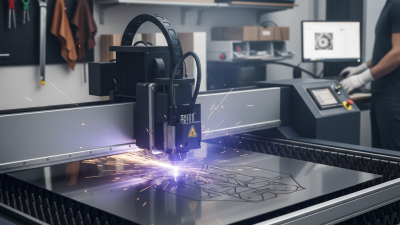
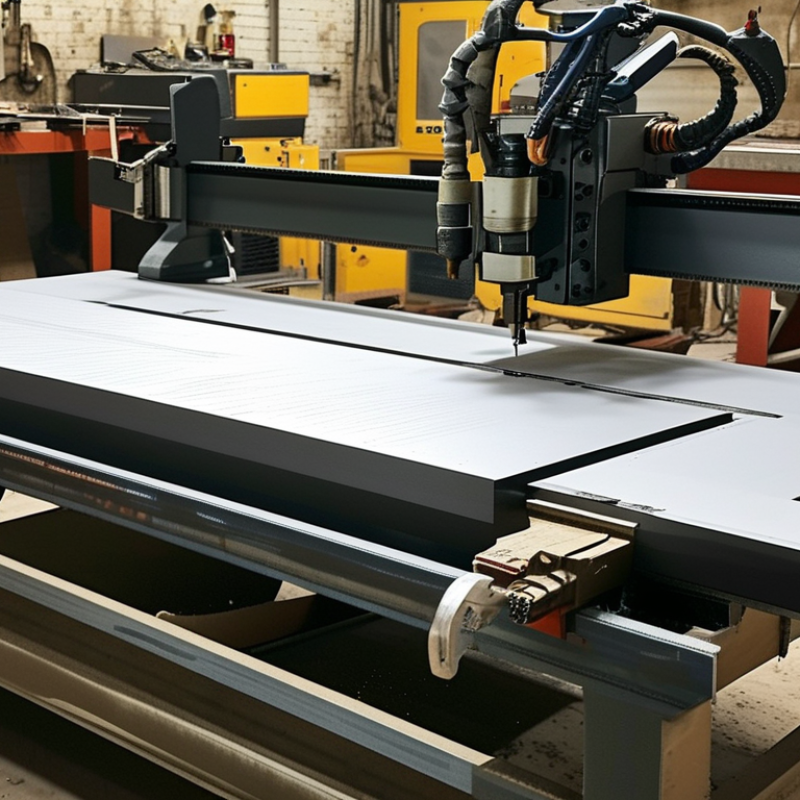
Choosing a CNC cutting machine starts with the material, not the machine’s advertised speed. Laser systems suit thin metal and detailed contours. Plasma handles thicker steel at a lower operating cost. Waterjet cutting works well for stone, glass, composites, and heat-sensitive materials. CNC routers are practical for wood, plastics, foam, and aluminum sheets. Each technology leaves a different edge, kerf, and finishing requirement.

Machine configuration matters just as much. A three-axis gantry is often enough for flat sheets and regular parts. A five-axis system reaches angled surfaces and complex components. Consider the working table, travel distance, spindle or torch power, and software compatibility. Automatic tool changing can reduce setup time, but it also adds maintenance points. A vacuum table improves sheet stability, although porous materials may reduce its holding strength.

In real workshops, production volume changes the decision. A compact machine may fit a small space, yet repeated repositioning can slow daily work. A larger bed supports nesting and reduces material waste. Check cutting tests, maintenance access, operator training, and local service capability before purchasing. Do not trust one specification sheet. I have seen impressive accuracy figures become less useful when vibration, dust, or poor fixturing entered the process. The best comparison uses your actual materials, drawings, tolerances, and monthly workload. Some assumptions will still need testing.

Evaluate Cutting Capacity, Accuracy, Speed, and Material Compatibility

How to Choose the Best CNC Cutting Machine?

Cutting capacity should match your real production needs, not your ideal future order. Check the maximum sheet size, thickness, and usable work area. A machine rated for 20 mm steel may cut it slowly or require multiple passes. Ask for sample results on your actual material. Examine edge quality, kerf width, dross, and heat-affected zones. These details reveal more than a specification sheet.

Accuracy matters when parts must fit without excessive rework. Review positioning accuracy, repeatability, and calibration procedures. A practical test should measure several cuts across the table, not just one small sample. Speed also needs careful evaluation. High travel speed can reduce cycle time, but aggressive acceleration may leave corners rough. I have seen fast settings create more finishing work. That trade-off is easy to overlook.

Tips: Compare complete cutting cycles, including loading, piercing, cutting, and cleaning. Test aluminum, mild steel, stainless steel, or plastics separately because each behaves differently. Confirm the machine’s power, tooling, software, and ventilation suit your materials. Keep records from trial cuts. They help expose inconsistent results over time. If a supplier avoids repeatability data, pause before purchasing. A reliable decision comes from measured performance, operator experience, and realistic production samples.

Assess Software, Automation, Maintenance, and Operator Requirements

How to Choose the Best CNC Cutting Machine?

Choosing the best CNC cutting machine starts with the work around it, not the cutting table. In my workshop trials, software caused more delays than cutting speed. Test whether operators can import drawings, set tool paths, and detect collisions without hidden menus. A clear simulation should show kerf, pierce points, waste, and estimated cycle time. Ask for an editable library of materials and thicknesses. Small details matter.

Automation should match your actual production volume. Automatic sheet loading saves labor, but it adds sensors, adjustment points, and failure modes. For mixed jobs, reliable probing and height control may matter more than impressive speed claims. Record setup time across several operators, including a careful beginner. I once judged a machine by its fastest cut and ignored changeover time. That was a costly mistake.

Maintenance requirements deserve a written check. Inspect access to lenses, rails, filters, cables, and lubrication points. The manual should specify cleaning intervals, common alarms, spare parts, and response procedures. Compare measured output after repeated shifts, not just demonstration results. Operators need guarded access, readable controls, training materials, and permission levels that prevent careless changes. Ask them to run a real job, not a polished demonstration. Their questions expose weaknesses.

How to Choose the Best CNC Cutting Machine?

This evaluation framework assigns practical planning weights to the main selection criteria. Automation and software integration receive the highest emphasis because they directly affect productivity, repeatability, workflow efficiency, and production control. Maintenance access and operator requirements should also be reviewed to reduce downtime and training demands.

The percentages represent a neutral evaluation baseline for comparing CNC cutting machines and can be adjusted to match specific production needs.

Calculate Total Ownership Costs and Select the Best Machine Fits

How to Choose the Best CNC Cutting Machine?

The purchase price is only the visible part of a CNC cutting machine’s cost. A practical comparison should include electricity, tooling, maintenance, software, installation, training, and unplanned downtime. Calculate the cost over five years, not only the invoice amount. A machine costing 30% less may consume more power and require frequent replacement parts. That difference can quietly reduce production margins.

Workload Assessment Begin with your real materials and workload. Record sheet thickness, cutting hours, daily batch sizes, tolerances, and expected growth. Then estimate hourly operating costs using local energy rates and labor wages. Include dust extraction, compressed air, cooling systems, and waste material. Small details matter. A ten-minute setup repeated twenty times each week becomes a serious annual expense.

Ask for documented accuracy, service response times, spare-part availability, and safety compliance. Review the warranty carefully, because excluded components can create unpleasant surprises. Request a sample cut using your own material. Inspect edge quality, heat marks, burrs, and setup time. Speak with experienced operators, not only sales staff. A spreadsheet can look precise and still mislead. My own evaluation would remain incomplete without testing maintenance access and software usability. The best machine fits your production rhythm, available skills, floor space, and budget discipline. Low cost is not the same as low ownership cost.


Contact Us Today for a Free Quote

(800) 708-6036