Top 5 CNC Bending Machines for Global Buyers to Consider?
In today's competitive manufacturing landscape, choosing the right CNC Bending Machine is vital. These machines play a critical role in metal fabrication, influencing efficiency and product quality. Buyers face overwhelming options and varying features, raising questions about making the best choice.
CNC Bending Machines vary in precision, capability, and technology. It’s essential to understand the machine’s specifications and how they align with your operational needs. Are you focusing on volume or intricate designs? The right machine can enhance productivity but requires an informed decision from the buyer.
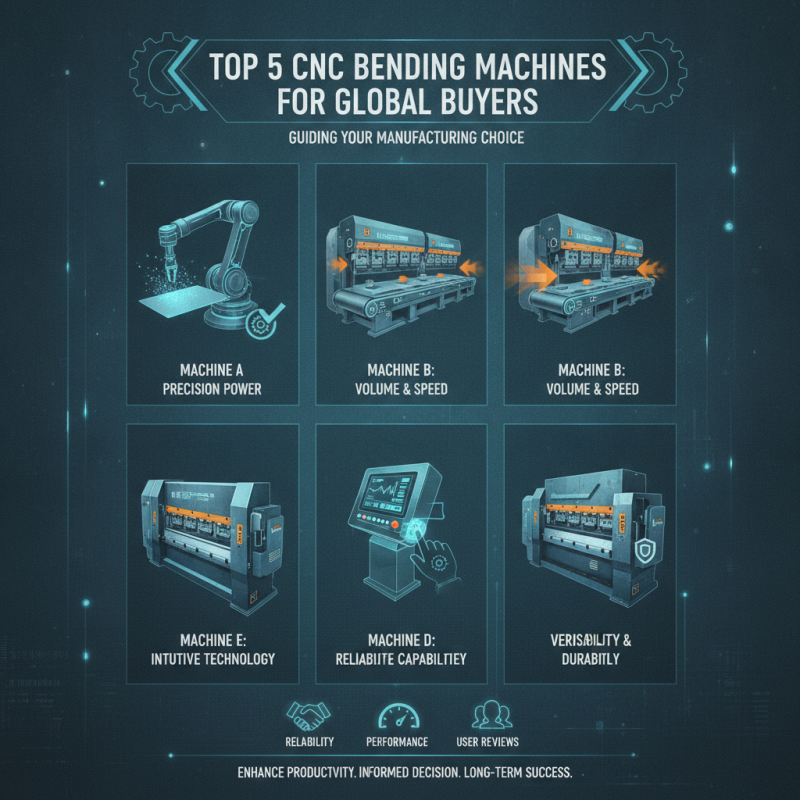
This article explores the top five CNC Bending Machines available. Each option is assessed based on reliability, performance, and user reviews. These insights aim to guide global buyers towards a purchase that enhances their manufacturing process. In the ever-evolving industry, a careful selection can lead to improved outcomes and long-term success.
Overview of CNC Bending Machines and Their Importance in Manufacturing
CNC bending machines play a crucial role in modern manufacturing. They are designed to accurately bend metal sheets and tubing into precise shapes. This precision enhances production quality and reduces material waste. Manufacturers often rely on these machines for their efficiency and reliability. They can handle various materials like steel, aluminum, and copper.
When selecting a CNC bending machine, buyers should be aware of several factors. Understanding the machine's capacity is essential. Consider the thickness and length of the materials you will work with. Some machines come with advanced features like automatic tool changes and programmable bends. These features can significantly reduce production time.
Tips: Always inspect the machine's software capabilities. Compatibility with CAD software can streamline your workflow. It’s advisable to test the machine with sample materials. This will help assess its performance before committing. Regular maintenance is also key; it can prolong the machine's lifespan and maintain accuracy. Remember, investing in quality equipment often pays off in the long run.
Key Features to Consider When Selecting a CNC Bending Machine
When selecting a CNC bending machine, it’s essential to focus on key features to meet specific operational needs. The machine's bending capacity is a primary factor. This capacity must match the thickness and type of material you plan to process. According to industry reports, machines can typically handle materials from 0.5 mm to 20 mm. Knowing your project requirements is crucial to avoid operational inefficiencies.
Next, consider the precision and repeatability of the machine. A bending machine with high precision reduces rework and waste. Some machines boast accuracy levels within +/-0.1 mm. Investing in technology that ensures consistent results can significantly affect production quality over time. Many manufacturers also emphasize the user interface’s ease. A more intuitive interface can speed up training, reducing downtime.
Longevity and service availability are also vital. Machines with robust construction often last longer. However, access to parts and service can vary significantly. Data shows that 30% of breakdowns are due to parts availability issues. Evaluating these factors will better position global buyers to make informed decisions that align with their production needs and business goals.
Top 5 Recommended CNC Bending Machines for Global Buyers
When selecting the right CNC bending machine, various factors come into play. A well-crafted bending machine should meet the needs of diverse projects. Efficiency and precision are paramount. Many global buyers often seek systems that can handle a range of materials with ease.
Specific features are essential for a solid choice. Look for a machine that offers adaptability to different bending angles. Fast setup and intuitive controls enhance workflow. Reliability in operation reduces downtime significantly, a major plus for any fabrication shop. Many buyers also appreciate machines that provide clear technical support and documentation.
It's also vital to evaluate the machine's long-term durability. Investing in quality may seem high initially, but the cost-effectiveness over time can justify it. The learning curve can be steep for complex machines. Training programs or resources can alleviate these challenges, making the transition smoother. Balancing immediate needs with future capabilities is crucial for making the best decision.
Comparative Analysis of Performance and Pricing of Selected Models
When considering CNC bending machines, performance and pricing are critical factors. Recent industry reports highlight a diverse range of models catering to various budgets and operational needs. One prominent analysis found that high-end machines provide superior precision and faster operation speeds. However, they often come with a price tag exceeding $150,000. Buyers must weigh the benefits of advanced technology against this investment.
On the other hand, mid-range models, priced between $50,000 to $100,000, offer a balance of functionality and affordability. They typically feature decent speed and accuracy, making them suitable for many applications. A study showed that these machines can achieve bending angles within ±0.5°, which is acceptable for most construction and manufacturing tasks. However, some models may have limited customization options, which could affect long-term usability.
Moreover, lower-cost machines under $50,000 can sometimes compromise on essential features. They often have slower processing times and might not handle complex shapes as efficiently. The trade-offs become particularly crucial for businesses aiming to optimize their productivity. Understanding these dynamics ensures informed decision-making when investing in CNC bending machines. Consider not just the immediate costs but also the potential impact on operational efficiency and project timelines.
Future Trends in CNC Bending Technology and Buyer Considerations
As CNC bending technology evolves, several trends are emerging. Automation is becoming more common in bending processes. Machines now feature advanced software that simplifies programming. This reduces setup time and human error, enabling quicker production runs. Buyers should consider how automation fits their needs and workforce capabilities.
Additionally, energy efficiency is a growing concern. Many manufacturers are optimizing machines to consume less power. This not only reduces costs but also addresses environmental impacts. Buyers must assess the long-term savings against initial investments. Understanding the sustainability goals of a manufacturing operation can guide these decisions.
Data connectivity is another vital trend. Smart machines offer real-time monitoring and analytics. These features can enhance operational effectiveness and maintenance scheduling. However, integrating these systems may require staff retraining and investment in new tools. This complexity can lead to challenges but also presents opportunities for improvement in production workflows.