How to Choose the Best Automotive Film for Your Vehicle?
Choosing the right Automotive Film begins with the vehicle’s purpose, climate, and paint condition. A daily commuter in Arizona needs different protection from a weekend sports car in London. Grand View Research’s Automotive Films Market report identifies heat rejection, ultraviolet protection, appearance, and paint preservation as major demand drivers. These benefits sound similar, but film performance varies sharply by construction, thickness, adhesive, and installation quality.
A professional selection should compare visible light transmission, infrared rejection, ultraviolet blocking, optical clarity, and warranty terms. The International Window Film Association recommends checking certified installation practices and local window-transmission requirements before purchase. Legal limits differ by region. Confirm them before installation. A darker shade is not automatically a better shade. It may reduce glare, yet it can impair night visibility. Fit matters. So does maintenance.
Paint protection film requires another inspection. An experienced installer should examine chips, repainted panels, bumper edges, and deep scratches before applying material. MarketsandMarkets’ automotive films analysis highlights protection, customization, and vehicle appearance as continuing market influences. However, market growth does not guarantee product quality. No film wins every test. Ceramic coatings, paint protection films, and solar-control films solve different problems. Confusing them can waste money.
This guide evaluates film types through measurable performance, practical ownership experience, and installer credibility. Ask for technical data sheets, not only glossy samples. Check warranty exclusions, yellowing resistance, adhesive behavior, and removal procedures. A reflective showroom panel may look perfect under bright lights. Real roads are less forgiving. Dust, curved glass, winter grit, and careless washing expose weaknesses quickly. The best choice balances protection, visibility, appearance, compliance, and long-term value.
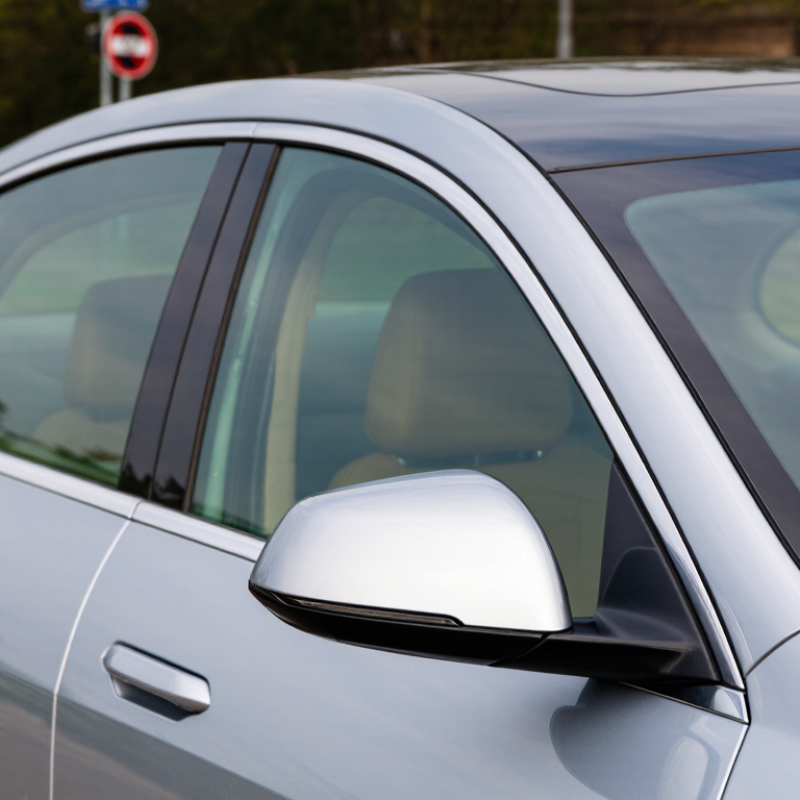
Define Your Vehicle’s Automotive Film Needs
Before comparing automotive films, identify what you want to change in daily driving. Is the cabin uncomfortably hot after sitting in the sun? Do low afternoon rays make the dashboard hard to see? Or are you trying to guard exposed paint from stone chips and road grit? Start with the problem. Window film can reduce glare and solar heat, while paint protection film is designed to help shield painted surfaces from physical wear. They serve different purposes, so a clear need prevents a poor match.
Think about where the vehicle spends most of its time. A car parked outdoors may benefit from strong UV protection; a highway commuter may care more about glare and a clear view at dusk. Compare measurable specifications, such as visible light transmission and total solar energy rejected, rather than relying on a vague “cooling” claim. For paint protection, consider coverage, film thickness, edge finish, and care instructions. Ask the installer how the film may look on curved panels and how repairs are handled. Check local window-tint requirements before choosing a shade. Measure twice. A darker film can feel appealing in a showroom, yet become inconvenient on a rainy evening. I would not assume one specification tells the whole story; installation quality and your own driving conditions matter, too.
How to Choose the Best Automotive Film for Your Vehicle? - Define Your Vehicle’s Automotive Film Needs
| Your Priority | Film Type to Consider | Useful Specification to Check | Practical Trade-Off | Best-Fit Vehicle Use |
|---|---|---|---|---|
| Lower interior heat | Ceramic or other high-performance non-metal film | Compare Total Solar Energy Rejected (TSER) at the same visible light transmission (VLT). | Performance varies by product and shade; a darker appearance does not by itself prove better heat rejection. | Vehicles frequently parked outdoors or driven in hot, sunny conditions. |
| Clear views and UV protection | Clear or lightly tinted UV-rejecting film | Check the stated UV rejection and the film-and-glass assembly’s VLT. | Clear film can reduce UV exposure without making windows look dark, but it may provide less heat reduction than some higher-performing options. | Drivers who want to preserve a bright cabin or maintain clear visibility. |
| More privacy and a darker appearance | Dyed, carbon, or ceramic film in a darker shade | Choose a VLT that balances privacy, visibility, and applicable local requirements. | Lower VLT means less visible light passes through; this can reduce visibility at night, especially through rear windows. | Vehicles where appearance and daytime privacy are important. |
| Reduced glare | Film selected for suitable VLT and solar performance | Compare VLT and the manufacturer’s glare or visible-light data for the specific shade. | Very dark film can make night driving and low-light visibility more difficult. | Daily commuters who often drive in bright daylight. |
| Avoiding electronic interference | Non-metalized film, such as ceramic or dyed film | Confirm the film construction and check compatibility with the vehicle’s electronics. | Some metalized films may interfere with radio, GPS, mobile, or toll signals, depending on the film and vehicle setup. | Vehicles that rely on antennas, navigation, connected services, or electronic toll equipment. |
| Lower upfront cost | Dyed film | Compare the warranty, color-stability information, VLT, and stated solar performance. | Typically budget-friendly; performance and long-term appearance depend on the specific product and installation. | Drivers seeking a basic tint solution at a lower initial cost. |
| Choosing a shade | Select by measured VLT, not appearance alone | Common shade choices include approximately 70% VLT for a light look, 35–50% for a medium look, and 5–20% for a dark look. | These are example shade ranges, not legal recommendations. The existing glass also affects the finished VLT. | Any vehicle where appearance, visibility, and compliance must be balanced. |
Before installation: Check local rules for each window position, including windshields and front side windows. Legal limits vary by location. Ask the installer to verify the VLT of the combined glass and film, and compare performance figures measured at the same VLT.