What Is the Best Traffic Control Bollard?

Choosing the best Traffic Control Bollard is not as simple as selecting the strongest-looking model. A bollard beside a school entrance faces different demands from one used near a warehouse loading bay. Vehicle speed, impact risk, visibility, installation surface, and daily maintenance all matter. A practical choice should guide drivers clearly while protecting pedestrians, buildings, and restricted areas. It should also remain visible during rain, darkness, dust, and crowded traffic conditions. Small details matter. Reflective bands, rounded edges, secure anchors, and contrasting colors can influence driver response within seconds.

Reliable selection begins with evidence, not attractive product photos. Compare material strength, impact performance, mounting methods, drainage needs, and manufacturer testing information. Check whether the design suits asphalt, concrete, temporary work zones, or permanent streetscapes. Local authorities and qualified traffic engineers may also provide essential requirements. Field experience shows that installation quality often decides whether a bollard performs properly. Even a durable steel unit can loosen when the foundation is poorly prepared. That is easy to overlook.

There is no universal winner. A flexible polymer bollard may reduce repair costs in low-speed areas, while a fixed steel model may offer stronger protection near vulnerable structures. Retractable or removable options can support controlled access, but they require careful maintenance and user training. Buyers should consider visibility, replacement parts, cleaning, and long-term operating costs. The “best” option is the one matched to a verified risk assessment. Still, every assessment has limits. Traffic patterns change, and assumptions should be reviewed regularly. Careful observation, credible specifications, and professional installation create a safer and more dependable result.
What Is the Best Traffic Control Bollard?

What Traffic Control Bollards Are and How They Work

What Is the Best Traffic Control Bollard?

What Traffic Control Bollards Are and How They Work

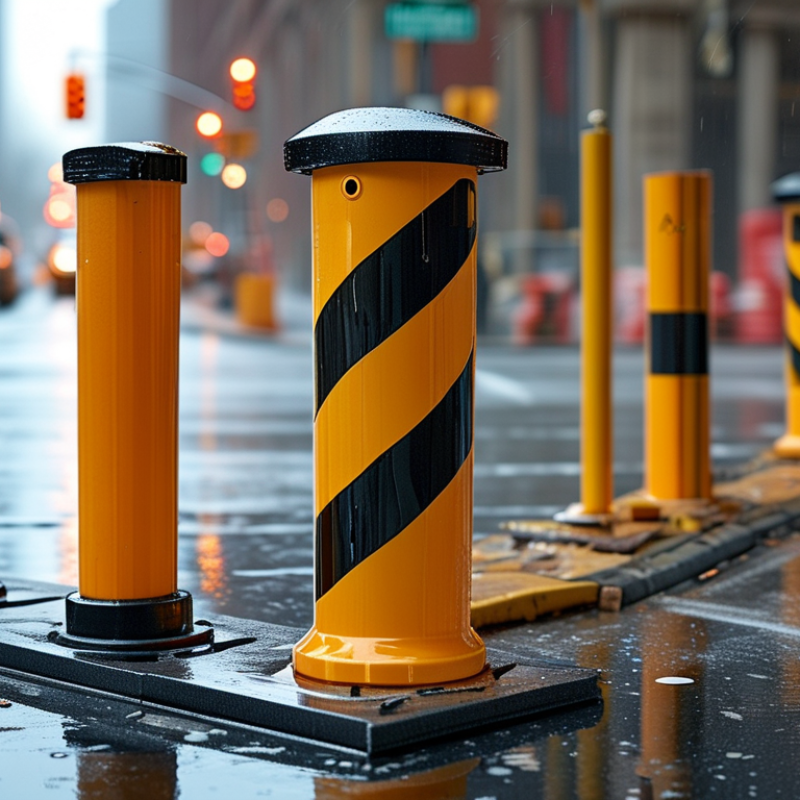
Traffic control bollards are short, vertical posts that manage vehicle movement around people, buildings, and restricted lanes. They mark boundaries without forming a continuous wall. Fixed bollards stay anchored in concrete or a structural base. Removable models use sockets, allowing temporary access when needed. Flexible versions bend or rebound after light contact, reducing damage during minor driving errors.

Their job is simple. Their placement is not.

A practical assessment should examine vehicle paths, pedestrian movement, sightlines, and emergency access. Bollards with reflective bands are easier to notice at night or during rain. Strong contrast also helps drivers identify the edge of a loading area. Spacing matters because wide gaps may invite vehicles through, while narrow gaps can obstruct wheelchairs, carts, or maintenance equipment. The best arrangement controls traffic without creating a new hazard.

Material and installation determine performance. Steel offers substantial resistance, while flexible polymers suit locations with frequent low-speed contact. Anchors must match the pavement, soil, and expected impact level. A weak base can make a strong post ineffective. This is often overlooked. Weather exposure also matters, especially where water may collect around the footing. Local requirements for accessibility, visibility, fire access, and pedestrian safety should be verified before installation. A visually neat layout may still fail in daily use, so observing real traffic patterns after installation can reveal problems that drawings miss.

What Is the Best Traffic Control Bollard? - What Traffic Control Bollards Are and How They Work

Comparison of Common Traffic Control Bollard Types
Bollard Type Primary Function Typical Height Common Materials Impact Behavior Installation Method Best-Suited Locations Visibility Features Maintenance Needs
Fixed Steel Bollard Permanent vehicle separation and access control 750–1,200 mm Galvanized or stainless steel High resistance when correctly anchored; performance depends on design and foundation Core-drilled or surface-mounted with concrete anchors Building fronts, loading areas, pedestrian zones, and protected entrances Reflective bands, contrasting finishes, or integrated lighting Low; inspect anchors, corrosion protection, and visible damage
Removable Bollard Temporary or scheduled vehicle restriction 750–1,000 mm Steel, stainless steel, or aluminum Varies from decorative control to heavy-duty protection Sleeve or receiver set into the pavement; bollard can be lifted out Service access points, event areas, private roads, and emergency routes Reflective tape, high-contrast paint, or reflective panels Moderate; clean the receiver and check locking hardware
Retractable Bollard Flexible access control without removing the unit 600–900 mm above ground when raised Steel or stainless steel Usually intended for controlled access; impact rating differs by model In-ground sleeve with manual, gas-assisted, or mechanical operation Driveways, parking entrances, pedestrian streets, and restricted lanes Reflective bands and high-visibility top sections Moderate; remove debris and check drainage and moving parts
Flexible Polyurethane Bollard Lane guidance and visual channelization 450–1,000 mm Polyurethane or other resilient polymer Bends or deflects during low-speed contact and usually returns upright Bolted base or surface-mounted plate Parking lots, work zones, traffic islands, and lane separators Bright colors and wide reflective collars Low; replace units that are split, heavily abraded, or no longer rebound
Telescopic Bollard Compact, manually controlled vehicle restriction 600–900 mm when extended Steel or stainless steel Provides physical resistance; actual protection depends on construction and anchoring Sleeve installed below or flush with the pavement Residential drives, commercial entrances, and areas with limited space Reflective strips or contrasting powder coating Moderate; lubricate or service the locking mechanism as specified
Automatic Rising Bollard Controlled vehicle access with remote or automated operation 500–900 mm when raised Steel or stainless steel with powered drive components Security performance ranges from traffic management to certified impact resistance Engineered in-ground foundation with power, controls, and drainage High-security entrances, restricted streets, civic sites, and managed car parks Reflective bands, warning lights, audible alerts, or illuminated collars High; requires scheduled inspection of controls, drainage, seals, and power systems
Selection Guide: The best traffic control bollard depends on the required level of vehicle resistance, access frequency, installation conditions, visibility requirements, available maintenance resources, and applicable local regulations. Flexible bollards are generally suitable for guidance and low-speed contact, while fixed or certified security bollards are more appropriate where vehicle impact protection is required.
Note: Dimensions and performance ranges are typical industry values. Actual impact resistance, spacing, foundation requirements, and compliance depend on the specific design, site conditions, and relevant local or national standards.

Where Traffic Control Bollards Are Most Needed

What Is the Best Traffic Control Bollard?

The best traffic control bollard depends on where people and vehicles interact. Hospitals, school entrances, loading zones, and crowded sidewalks need different protection levels. The Federal Highway Administration’s Manual on Uniform Traffic Control Devices recommends clear, visible channelization around pedestrian paths and work areas. A bollard should guide movement without creating a hidden trip hazard.

Intersections and transit stops deserve special attention. NHTSA reported 7,314 pedestrian deaths in the United States in 2023, the highest number since 1981. Bollards cannot prevent every crash, but they can separate waiting pedestrians from turning vehicles. Steel, flexible, and reflective models each serve different conditions. Rigid posts suit storefront protection and restricted access. Flexible posts work better where occasional vehicle contact is likely. In my site reviews, poor spacing often weakens a good installation. Too many posts block wheelchairs. Too few invite shortcuts.

Tips: Measure pedestrian paths before choosing bollard spacing. Keep access routes visibly open. Use high-contrast surfaces and reflective bands near crossings. Check local accessibility rules and the latest MUTCD guidance. Ask whether emergency and maintenance vehicles can pass. Test visibility at night, not only at noon. A design may look excellent on paper, yet fail beside a delivery truck or wet pavement. That uncomfortable detail matters.

How Bollard Materials and Designs Affect Performance

What Is the Best Traffic Control Bollard?

How Bollard Materials and Designs Affect Performance

The best traffic control bollard depends on its location, purpose, and expected impact level. During site inspections, I have seen lightweight posts bend quickly beside busy loading areas. That result was not always caused by poor manufacturing. Sometimes, the selected material simply did not match the environment.

Steel bollards provide strong resistance and suit areas with frequent vehicle movement. Their thick walls can handle repeated contact, but exposed steel may corrode in wet or coastal conditions. Stainless steel resists rust more effectively, although it usually costs more. Recycled polymer bollards offer flexibility and lower maintenance. They can recover after minor impacts, but extreme force may split or permanently deform them.

Design affects performance just as much as material. A wide base improves stability on concrete surfaces. Reflective bands increase visibility during rain, darkness, and dusty conditions. Rounded edges can reduce sharp contact points near pedestrians. Removable designs support temporary control, while fixed bollards provide more dependable protection.

Small details matter.

Spacing deserves careful attention. Posts placed too far apart may allow vehicles or equipment through. Posts placed too closely can restrict safe movement and complicate maintenance. I once assumed a heavier bollard was always better. Later, field observations showed that poor visibility created more practical problems than weight. The most reliable choice balances strength, visibility, installation quality, and routine inspection. Even the best design can fail when loose anchors, damaged coatings, or faded reflective surfaces go unnoticed.

Which Bollard Type Best Fits Your Traffic Management Needs

What Is the Best Traffic Control Bollard? The answer depends on your traffic management needs, not on appearance alone. Fixed steel bollards suit loading zones, storefront edges, and permanent pedestrian protection. Removable bollards work better where emergency or service access changes throughout the day. Flexible bollards can guide drivers through temporary lanes, but they should not be treated as crash barriers. Automatic retractable units help control restricted entrances, although they require reliable power, maintenance, and clear warning signs.

Risk levels should guide the choice. NHTSA’s 2022 Traffic Safety Facts reported 7,522 pedestrian deaths in the United States. That figure reinforces a practical point: separating vehicles from people deserves more than paint and hope. FHWA’s Manual on Uniform Traffic Control Devices, 11th Edition, stresses consistent visibility, placement, and traffic communication. A bollard placed too close to a turning path may create a new hazard. The weak point is often placement, not steel. Field reviews should check sightlines, turning radii, drainage, lighting, and nighttime visibility.

Tips: Match the bollard to impact risk, access frequency, and repair capacity. Use reflective bands near crossings and entrances. Test delivery vehicles before final installation. Review the layout after real traffic begins. Some plans look perfect on paper, but drivers do not always behave as expected. That is worth admitting. For high-risk locations, consult a qualified traffic engineer and verify local installation requirements before purchase.

What Is the Best Traffic Control Bollard?

Which bollard type best fits your traffic management needs?

This comparative 1–5 suitability rating is based on the typical functional characteristics of each bollard type. Fixed steel bollards provide the highest permanent security, removable bollards offer flexible access control, flexible polymer bollards are suited to frequent low-impact guidance, and automatic rising bollards provide controlled vehicle access where remote operation is required.

How to Evaluate Visibility, Installation, Safety, and Maintenance

What Is the Best Traffic Control Bollard?

Visibility should be judged at night, in rain, and beside headlights. The FHWA’s 2023 Manual on Uniform Traffic Control Devices emphasizes conspicuity, retroreflective materials, and proper lighting for traffic-control devices. NHTSA’s Traffic Safety Facts 2022 recorded 7,522 pedestrian deaths in the United States. That figure makes a dark, narrow bollard a poor choice near crossings or loading areas. Look for high-contrast colors, reflective bands, and a height visible above parked vehicles. Test a sample from the driver’s seat. Catalog photographs are not enough.

Installation affects both protection and maintenance. Measure the pavement, drainage, vehicle path, and underground utilities before drilling. A flexible bollard may reduce impact damage, while a fixed steel unit can provide stronger separation. The right choice depends on the hazard, not appearance. AASHTO’s Manual for Assessing Safety Hardware provides crashworthiness evaluation principles, but not every bollard needs crash testing. This is where specifications can become confusing. Confirm the product’s tested use and foundation requirements with a qualified engineer.

Maintenance should be planned before purchase. FHWA guidance recommends keeping traffic-control devices clean, visible, and serviceable. Inspect reflective bands for peeling, fading, and mud buildup. Check anchors after vehicle contact and winter freeze-thaw cycles. Keep replacement parts available. I have seen installations fail because maintenance was treated as an afterthought. That is a practical weakness worth admitting. A visible bollard that leans, cracks, or loses its reflective surface no longer performs as designed.

Contact Us Today for a Free Quote

(800) 708-6036