Why Choose Laser Cutting and Bending for Your Manufacturing Needs?
In today's competitive manufacturing landscape, many companies are turning to laser cutting and bending for efficiency and precision. According to a report from Global Industry Analysts, the laser cutting market is projected to reach $6 billion by 2024. This growth is driven by advancements in technology and increased demand for high-quality materials. Dr. Sarah Thompson, a respected expert in the field, stated, “Laser cutting and bending allow for unparalleled accuracy, making it ideal for intricate designs.”
Laser cutting and bending not only enhance production speed but also reduce waste. By minimizing material use, manufacturers can cut costs and promote sustainability. However, the initial investment in laser technology can be significant. Companies must assess if the long-term savings outweigh this upfront cost.
It’s crucial to consider the balance between automation and skilled labor. Although laser cutting and bending are efficient, they still require experienced operators to manage the machinery. As industries evolve, investing in skilled training will be vital for ensuring operational excellence. As companies navigate these challenges, embracing laser cutting and bending can lead to innovative solutions and a competitive edge.
Benefits of Laser Cutting in Modern Manufacturing Processes
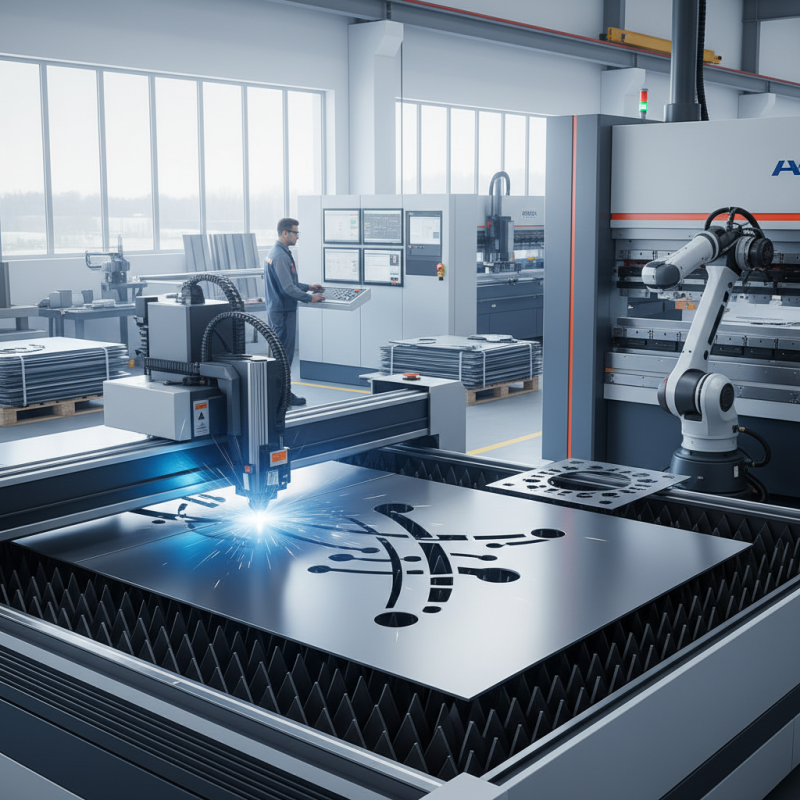
Laser cutting has transformed modern manufacturing. It offers precision and speed, making it a leading choice for various industries. According to a report by MarketsandMarkets, the laser cutting market is projected to reach USD 6.5 billion by 2026, reflecting a growth rate of 5.2% from 2021. This highlights the increasing reliance on laser technology for enhancing productivity and accuracy.
One major benefit of laser cutting is its ability to handle complex designs. It can cut materials with thicknesses up to 30 mm in metals and 25 mm in plastics. The low thermal impact reduces warping, which can be a concern in traditional cutting methods. Moreover, a study by Fraunhofer Institute found that laser cutting can reduce waste by up to 35%. This reflects a growing need for sustainable manufacturing practices.
Despite its advantages, there are challenges. The initial investment for high-quality laser cutting equipment can be high. Companies must consider operational costs, including maintenance and energy use. There are also limitations in the types of materials that can be effectively cut with lasers. Balancing these factors is vital for businesses looking to adopt this technology as part of their manufacturing processes.
Advantages of Precision Bending Techniques in Metal Fabrication
Laser cutting and bending have become essential in modern metal fabrication. Precision bending techniques play a crucial role in achieving high-quality results. According to market reports, the global metal fabrication market is projected to grow to **$24.4 billion by 2025**. This growth highlights the demand for advanced manufacturing processes.
One reason precision bending is favored is its ability to create complex geometries. It reduces the need for secondary operations, saving time. With laser technology, the accuracy of bends improves significantly. A study indicates that manufacturers can achieve tolerances of **±0.5 mm** or better when using state-of-the-art bending machines. This precision minimizes material waste, making projects more sustainable.
However, there are challenges. Not all materials react the same way to bending. Some metals may crack or deform if not handled correctly. It’s vital to assess material properties prior to bending. The learning curve for operators can also be steep. Continuous training is essential to maximize the benefits of these techniques.
Advantages of Laser Cutting and Bending Techniques
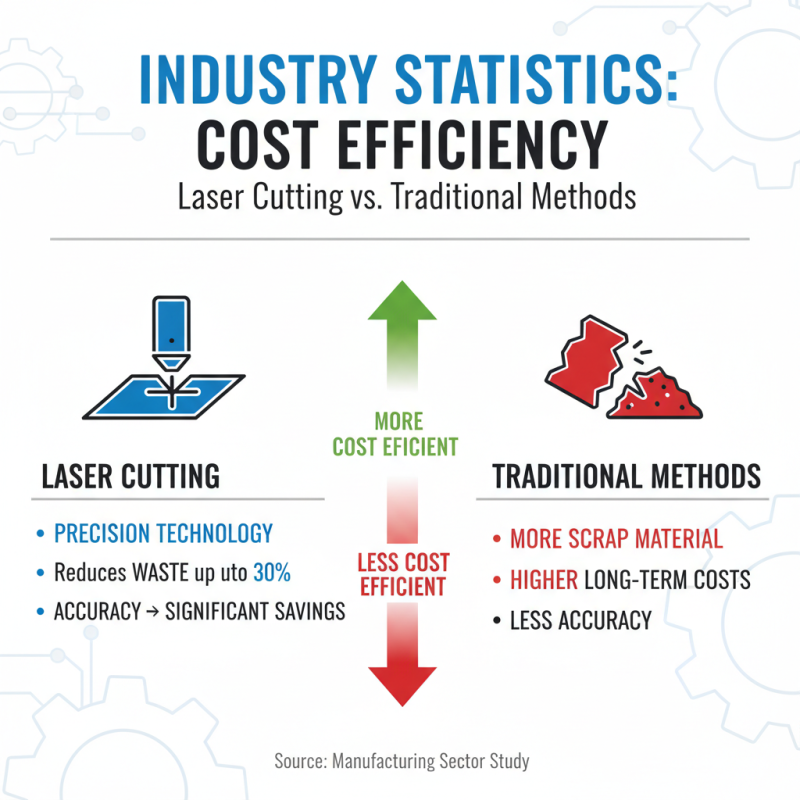
Industry Statistics: Cost Efficiency of Laser Cutting vs. Traditional Methods
In the manufacturing sector, cost efficiency remains crucial. Laser cutting stands out due to its precision. Studies show it can reduce waste by up to 30%. Traditional methods often create scrap that costs companies more in the long run. With laser technology, the focus is on accuracy, leading to significant savings.
Moreover, the setup time for laser cutting is typically shorter. This allows manufacturers to respond quickly to market demands. While initial investments might seem high, the long-term benefits outweigh these costs. A recent survey indicated that companies using laser cutting reported a 25% decrease in production costs.
However, it’s essential to consider not all projects are suited for laser cutting. Certain materials and thicknesses may not yield ideal results. Manufacturers must assess their specific needs before committing. Evaluating both options can provide clarity on what works best. Balancing efficiency with practicality is key in making informed decisions.
The Role of Laser Cutting in Enhancing Material Utilization Rates
Laser cutting has revolutionized the manufacturing sector. It significantly improves material utilization rates, a crucial factor for any efficient production line. This process uses a high-powered laser to slice through materials with precision. As a result, it reduces waste and maximizes the use of raw materials. Better material use cuts costs and minimizes environmental impact.
When incorporating laser cutting, manufacturers see immediate benefits. The laser creates exact shapes from sheet materials, leaving little scrap behind. This precision allows for tighter nesting of parts, leading to more efficient layouts. Enhanced designs can also emerge, as laser cutting permits complex shapes that traditional methods cannot achieve. However, there can be challenges in adjusting to new processes and equipment.
Adopting this technology may require a learning curve. Proper training for staff is essential. Not every material responds to laser cutting equally; some can present difficult interactions. As manufacturers explore their options, they need to continually evaluate their results and improve processes. This ongoing reflection ensures that they make the most of the benefits that laser cutting offers.
Future Trends: Innovations in Laser Cutting and Bending Technologies
Laser cutting and bending technologies have been evolving rapidly, pushing the boundaries of what’s possible in manufacturing. These innovations focus on precision, speed, and efficiency. For instance, advancements in fiber laser technology allow for faster cutting speeds and greater material versatility. This shift enables manufacturers to work with thinner materials without compromising structural integrity. The result is cleaner cuts and reduced waste.
As industries seek sustainable practices, laser processes contribute significantly. Many machines now feature automated setups, minimizing human error and optimizing energy use. Challenges remain, however. Not all materials respond equally well to laser shaping. Engineers must continuously test and adapt to different substrates. Furthermore, skill development for operators is crucial as technology progresses. It remains vital to ensure that the workforce is properly trained to leverage these sophisticated machines fully.
Why Choose Laser Cutting and Bending for Your Manufacturing Needs?
| Technology |
Advantages |
Applications |
Future Trends |
| Laser Cutting |
High precision, Speed, Reduced waste |
Metal fabrication, Automotive parts, Aerospace components |
Integration with AI, Automation, Improved energy efficiency |
| Bending |
Flexibility, Customization, Strong joints |
Enclosures, Brackets, Tubes and profiles |
Advanced tooling, 3D bending, Enhanced software solutions |
| Hybrid Systems |
Multi-functionality, Cost-efficient, Time-saving |
Complex geometries, Mixed materials |
Smart factories, IoT integration, Enhanced manufacturing capabilities |