Essential Tips for Buying a Carton Creasing Machine?
When purchasing a Carton Creasing Machine, insightful guidance can make a significant difference. Industry expert John Smith emphasizes, "Choosing the right machine means understanding your production needs." His words ring true in a market filled with various options. Many buyers overlook critical aspects when buying, leading to regrets later.
The Carton Creasing Machine market offers promising solutions for packaging businesses. However, navigating this landscape can be challenging. Features such as speed, compatibility, and maintenance costs are vital. Without careful consideration, these factors can complicate operations more than necessary.
Potential buyers should also reflect on their long-term goals. What works today may not suit future needs. Investing time in research is crucial. It's not just about costs but understanding the machine’s capabilities. A Carton Creasing Machine is not just equipment; it’s a commitment to operational efficiency.
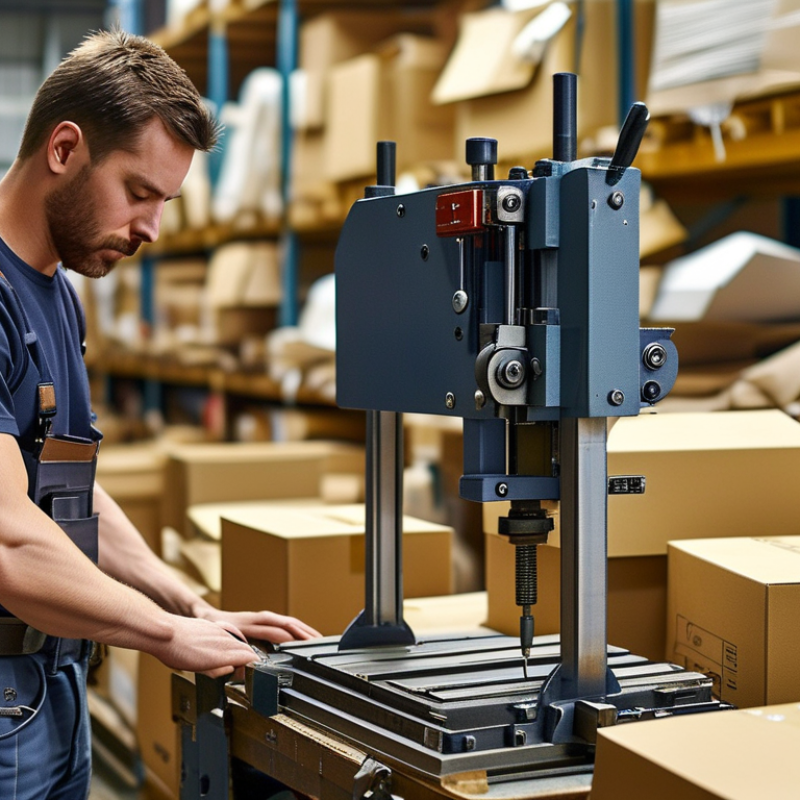
Factors to Consider When Selecting a Carton Creasing Machine
When selecting a carton creasing machine, several crucial factors come into play. The creasing thickness is vital to ensure precision in the final product. A report from the Packaging Machinery Manufacturers Institute (PMMI) states that machines should accommodate various materials, including paperboard and corrugated sheets, with thicknesses ranging from 1 mm to 5 mm. This flexibility allows for a wider application range, making the machine more versatile.
Speed and efficiency are also essential considerations. According to industry data, modern creasing machines can operate at speeds of 1000 to 4000 sheets per hour. Choosing a machine that matches your production needs can significantly enhance workflow. Operators should evaluate the setup time and adjusting processes. Machines that are difficult to adjust may lead to downtime.
Another aspect to reflect upon is user-friendliness. Machines equipped with advanced interfaces can ease the training process for operators. However, some machines with overly complex features can deter productivity. It's crucial to balance technology with ease of use. Reliability in terms of regular maintenance is also important. An extensive maintenance schedule may be needed for some models to keep them running smoothly. Evaluating these factors will help ensure an informed decision.
Types of Carton Creasing Machines Available in the Market
When exploring the types of carton creasing machines available in the market, it's critical to understand their unique features. Different models cater to varying needs. For smaller operations, manual machines are often sufficient. They are affordable and easy to use. However, they require more labor and time.
On the other hand, semi-automatic machines can significantly boost productivity. They offer a balance of efficiency and control. These machines often have adjustable creasing options, allowing for versatility in sizes and styles. Still, one must consider their maintenance needs.
Fully automatic varieties represent the peak of technology. They can handle high volumes with minimal operator involvement. These machines often include advanced features for precision. Yet, their complexity can be daunting for new users. One must weigh the benefits against the learning curve. It's essential to reflect on your specific requirements before purchasing. Each machine type has its strengths and weaknesses.
Key Features to Look for in a Carton Creasing Machine
When considering a carton creasing machine, several key features stand out. First, the machine’s capacity is crucial. Look for models that can handle various thicknesses and types of cardboard. This versatility ensures you can meet different production needs. Additionally, speed matters. A faster machine can increase efficiency but may sacrifice precision.
Another vital feature is the adjustment mechanism. Some machines offer manual adjustments, while others provide automatic settings. Automatic adjustments can save time and reduce human error. However, the initial cost may be higher. It’s essential to gauge whether the efficiency gained justifies the investment.
Tips for selecting a reliable machine include researching user reviews and consulting industry experts. Test the machine if possible. Inspect its build quality. A sturdy design often correlates with longevity. Moreover, ensure the warranty and customer support are adequate. This feature reflects a manufacturer’s commitment to quality. Don't rush the decision. Take your time to reflect on your specific needs and constraints.
Budgeting for Your Carton Creasing Machine Purchase
When budgeting for a carton creasing machine, consider both the initial costs and long-term expenses. According to industry reports, the average price range for these machines can fall between $10,000 and $100,000. This range varies greatly based on features and capacities. It's essential to weigh your needs against these costs carefully.
Investing in a high-quality creasing machine can enhance production efficiency. With precise creasing, there are fewer rejections in production lines, leading to cost savings. An effective budget should account for potential maintenance costs, which can average 10% of the machine's purchase price annually. This should not be neglected in your financial planning.
Tip: Always request a demo before purchasing. This allows you to evaluate the machine's performance in real-world scenarios. A machine that works on paper may not always meet your production needs. Also, consider the machine's operational costs. Some models are energy-intensive, impacting your overall budget more than expected. Reflect on the entire lifecycle cost of the equipment to ensure a worthwhile investment.
Maintenance and Support Options for Carton Creasing Machines
When investing in a carton creasing machine, understanding maintenance and support options is crucial. Regular maintenance can prolong the life of these machines significantly. According to a recent industry report, proper upkeep can enhance operational efficiency by up to 30%. Operators often overlook simple tasks, like checking the cutting blades and adjusting pressure settings. This oversight can lead to subpar performance and increased downtime.
Support options are equally important. Reliable support can minimize machine breakdowns. Many manufacturers now offer comprehensive service contracts. These contracts frequently include routine check-ups and emergency support. An industry study indicates that about 65% of businesses prefer purchasing machines with robust support services. It reduces anxiety over unexpected repairs and costs, making it a sound investment.
It's not uncommon for users to encounter challenges with machine calibration. Proper training on these machines can mitigate errors, ensuring consistent output. Some companies might provide training workshops or online tutorials as part of their support strategy. Users should actively seek these resources to enhance their operational skill set. This proactive approach can bridge the gap between basic operation and advanced techniques.