Top 10 Fiber Laser Manufacturers in China You Should Know?
Fiber laser technology has transformed various industries, from manufacturing to telecommunications. In China, a surge of innovation has emerged as manufacturers vie for dominance in this cutting-edge sector. Companies are investing heavily in research and development to enhance their fiber laser systems.
However, not all manufacturers achieve excellence. Some struggle with quality control or fail to meet market demands. Identifying the top players in this space is vital. By examining their strengths and weaknesses, you can make informed decisions.
As you explore the top 10 fiber laser manufacturers in China, consider their impact on the global market. Look for those that prioritize reliability and performance. This sector is evolving quickly, and understanding these key players is essential for anyone interested in fiber laser applications.
Overview of Fiber Laser Technology and Its Applications
Fiber laser technology has revolutionized various industries with its exceptional precision and efficiency. This technology utilizes optical fibers to deliver laser light, enabling high-quality cutting, welding, and marking. According to a recent market report, the fiber laser industry is expected to grow at a CAGR of 15% through 2027, driven mainly by advancements in manufacturing processes.
The applications of fiber lasers are diverse. In automotive manufacturing, they are used for high-speed cutting of components. A study from the Manufacturing Institute highlights a 30% increase in production efficiency when employing fiber lasers compared to traditional methods. In electronics, these lasers facilitate micro-machining, allowing for intricate designs without damaging surrounding materials. Such precision is critical as electronic devices become more compact and complex.
While the advantages of fiber lasers are clear, challenges remain. Initial investment costs can be high. Smaller companies may struggle to justify these expenditures. Moreover, operational expertise is essential for maximizing the benefits of this technology. As the industry evolves, addressing these issues will be crucial for wider adoption of fiber laser systems.
Criteria for Selecting Top Fiber Laser Manufacturers
When selecting the top fiber laser manufacturers, it's essential to consider various criteria. Quality is paramount. Look for manufacturers with a reputation for reliability and durability in their products. A robust warranty can indicate confidence in their technology.
Technology and innovation should also be prioritized. Companies that invest in research and development tend to offer advanced solutions. They often employ cutting-edge technology that can enhance efficiency. Evaluate their certifications as well. This will ensure compliance with industry standards and safety measures.
Think about the after-sales support. Good manufacturers provide reliable customer service and maintenance options. This can reduce downtime and enhance productivity.
Tips: Evaluate the manufacturer's technical support. It can save you time and money when issues arise. Always request customer references to gauge satisfaction. A manufacturer’s experience in your specific industry may impact their ability to meet your needs effectively.
Top 10 Fiber Laser Manufacturers in China
This chart displays the annual production capacity in watts (in thousands) of the top fiber laser manufacturers in China. The data highlights the leading companies based on their technological advancements and market share.
Leading Fiber Laser Manufacturers in China: A Closer Look
China's fiber laser manufacturing industry has grown rapidly in recent years. This growth stems from increased demand for precision technology in various sectors, including automotive, electronics, and aerospace. Manufacturers focus on developing advanced technologies, boosting productivity, and enhancing user experience. Many companies strive for innovation but face challenges in maintaining quality and consistent performance.
The competitive landscape presents issues. While numerous players claim superiority, few consistently deliver top-tier products. Choosing the right manufacturer requires understanding their technology and support capabilities. Additionally, staying updated with the latest trends is critical. Many businesses find it difficult to navigate this fast-paced environment, leading to uncertainty in decision-making.
Quality control remains a significant concern. Some manufacturers may cut corners to reduce costs, which can affect end-user satisfaction. Balancing cost and quality is challenging for companies in this industry. Monitoring product performance and customer feedback is essential to create reliable solutions that meet market demands.
Key Features and Innovations from Top Chinese Fiber Laser Brands
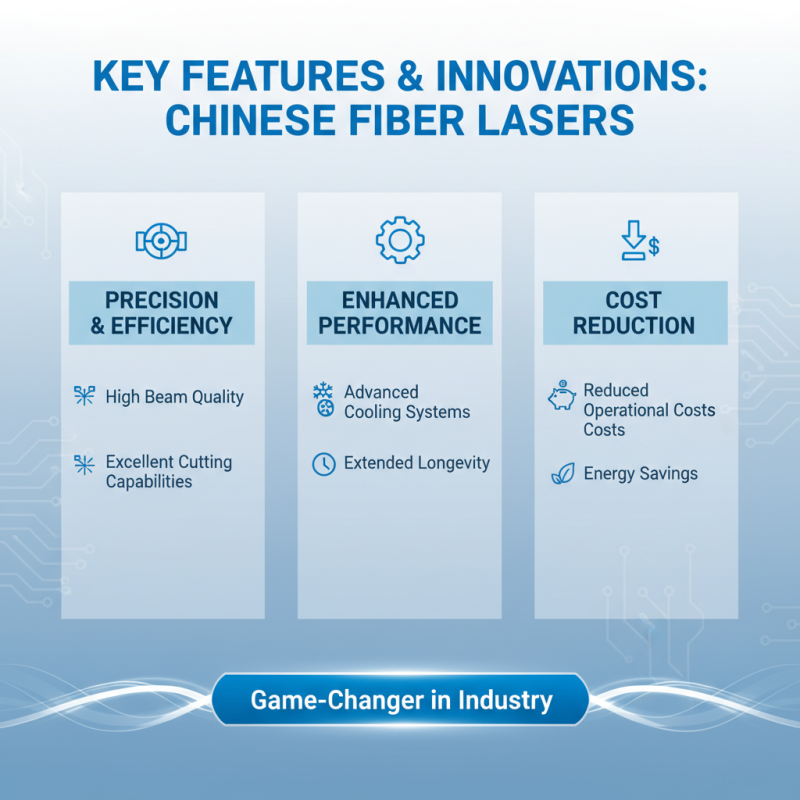
Fiber lasers have emerged as a game-changer in various industries. These lasers offer precision, efficiency, and reduced operational costs. Their remarkable features include high beam quality and excellent cutting capabilities. Moreover, many Chinese manufacturers focus on innovation to stay competitive. They integrate advanced cooling systems to enhance laser performance and longevity.
One notable trend is the development of smart technology. This includes automated monitoring for optimal performance. Such innovations allow for real-time adjustments, increasing productivity. However, as these technologies advance, some manufacturers still face challenges in reliability. User feedback is vital for continuous improvement.
While the design of some fiber lasers is sleek, practical usability often needs refinement. Attention to user-friendliness can sometimes be overlooked. This requires manufacturers to prioritize customer experience and ensure consistency. Balancing cutting-edge features with everyday usability is critical for sustained growth.
Market Trends and Future of Fiber Laser Manufacturing in China
The fiber laser manufacturing landscape in China is rapidly evolving. As industries across the board embrace automation, fiber lasers provide enhanced precision and efficiency. They are pivotal in sectors like automotive, aerospace, and electronics. Demand for high-quality laser cutting and welding solutions continues to surge. This trend is pushing manufacturers to innovate and refine their technologies.
Despite the progress, challenges remain. Many manufacturers focus heavily on price competition, which can compromise quality. Some companies may overlook essential R&D investments, risking stagnation. A lack of skilled technicians also hampers growth. As more companies enter the market, differentiation will become crucial. The long-term success hinges on balancing affordability with performance.
Sustainability is increasingly becoming a focal point. Manufacturers are seeking to develop eco-friendly production processes. The integration of energy-efficient systems is gaining momentum. This shift not only attracts environmentally conscious clients but also complies with rising regulatory standards. However, achieving sustainability in fiber laser production requires significant investment and commitment from all stakeholders. As the market develops, these elements will greatly shape the future trajectory of fiber laser manufacturing in China.