Top US Aluminum Products with DDP Customs Clearance?
Choosing the right aluminum product is only part of a successful import. The harder question is whether the shipment can reach a U.S. warehouse with clear costs, accurate documents, and no avoidable customs delays. This guide examines US Aluminum Products DDP Customs Clearance for sheets, coils, foil, extrusions, bars, and fabricated components.
DDP means the seller generally manages transportation, import clearance, duties, and delivery to the named destination. However, the exact allocation must be written carefully. A commercial invoice, packing list, bill of lading, mill certificate, and correct HTS classification can strongly affect clearance. Aluminum coils may require different classifications from finished extrusions. Small errors can create large cost differences.
John W. H. Denton, Secretary General of the International Chamber of Commerce, said, “Incoterms rules provide a common set of rules to clarify the responsibilities of sellers and buyers.” That principle matters here. A DDP quote should state who acts as importer of record, who pays applicable duties, and how additional assessments are handled. Some aluminum products may face trade remedies or product-specific requirements. A low quote is not automatically a reliable quote.
Look closely.
Experienced buyers should verify the supplier’s customs process, broker credentials, country-of-origin records, and delivery history. A spreadsheet may show one final price, yet omit inspection charges, storage, or classification disputes. That assumption is easy to make, and often wrong. This article offers a practical framework for comparing leading U.S. aluminum product options while recognizing that customs outcomes depend on the product, origin, documentation, and current regulations.
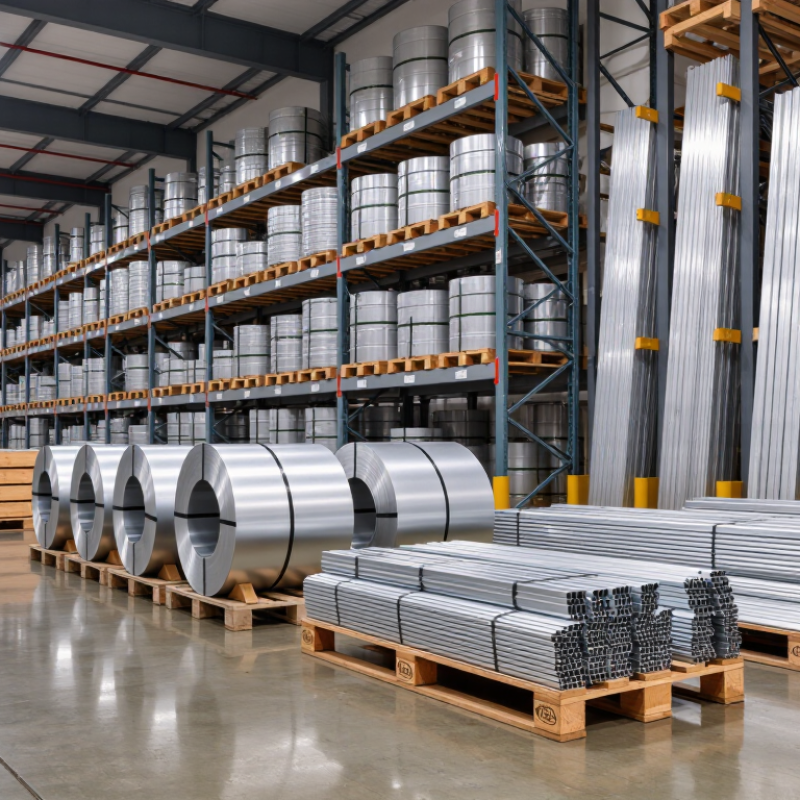
Aluminum Product Categories Commonly Imported into the United States
US buyers commonly import aluminum sheet, plate, coil, foil, extrusions, tubes, bars, and wire. Each category supports different manufacturing needs. Sheet and plate are used for enclosures, transportation parts, roofing, and fabricated panels. Coils suit continuous stamping and roll-forming operations. Aluminum foil serves packaging, insulation, and industrial applications. Extrusions provide precise shapes for frames, rails, heat sinks, and structural assemblies.
DDP customs clearance may simplify purchasing. Under DDP terms, the seller generally arranges transport, import clearance, duties, and delivery to the agreed destination. However, the buyer should confirm the exact delivery point and included charges. Aluminum classification can vary by product form, alloy, temper, and processing. A low quote may exclude unloading, storage, inspection, or special delivery costs. That detail is easy to miss.
A dependable shipment file should include the commercial invoice, packing list, bill of lading, product specifications, and applicable origin documents. Mill test certificates should show alloy, temper, thickness, width, and mechanical properties. Receiving teams should check pallet labels, surface condition, moisture marks, and actual dimensions. Small errors matter. A coil with the wrong temper may stop a production line. A damaged extrusion bundle can create costly sorting work. Clear specifications reduce disputes, although they never remove every risk.
Top Aluminum Products Available with DDP Customs Clearance
Top aluminum products available with DDP customs clearance include sheets, coils, foil, extrusions, tubes, and precision castings. These forms support construction, transport, packaging, electrical systems, and industrial equipment. According to the U.S. Geological Survey’s Mineral Commodity Summaries 2025, global primary aluminum production exceeded 70 million metric tons in 2024. This scale supports broad product availability, but supply quality still varies by alloy, temper, thickness, and origin.
DDP delivery can simplify purchasing. The seller generally manages export procedures, import customs clearance, duties, and delivery to the named destination under Incoterms 2020. Buyers should request mill certificates, chemical composition, dimensional tolerances, packing photos, and a complete landed-cost quotation. A 6061-T6 extrusion needs different documentation from a 5052-H32 sheet. Small details matter. The International Aluminium Institute reports that recycled aluminum requires substantially less energy than primary production, making recycled-content declarations increasingly relevant for procurement teams.
Customs work is not always perfectly predictable. Product classification, valuation, antidumping measures, and local tax rules may change the final cost. I have seen quotations look complete while excluding unloading or special inspection fees. Buyers should confirm who carries risk at delivery and whether the quoted DDP service covers remote-area charges. The World Bank’s Commodity Markets Outlook continues to show volatility in aluminum pricing, so quotation validity and surcharge formulas deserve careful review.
Key Factors for Comparing US Aluminum Product Suppliers
Comparing US aluminum product suppliers requires more than checking the lowest quoted price. The International Aluminium Institute reported global primary aluminum production of about 72.8 million metric tons in 2024. That scale makes traceability, capacity, and delivery discipline important. Ask suppliers for alloy certificates, dimensional tolerances, surface-finish records, and recent inspection results. A polished sample proves little.
DDP customs clearance can simplify purchasing because the supplier manages export paperwork, import clearance, duties, and delivery to the agreed destination. However, buyers should verify exactly what “DDP” includes. Request a landed-cost breakdown, tariff classification, customs broker details, and responsibility for unexpected examinations. The International Chamber of Commerce notes that DDP places the broadest delivery obligation on the seller, but local import requirements may still affect execution. Small wording differences matter.
Recycled content deserves practical attention. The Aluminum Association reports that nearly 75% of aluminum ever produced remains in use, reflecting aluminum’s long service life and recycling value. Compare suppliers by post-consumer content, recycled-material verification, and energy disclosures. Also check packaging, lead times, minimum order quantities, and claims procedures. A cheaper coil can become expensive after rework, storage, or border delays. I would not rely on a single certificate. Independent testing is sometimes worth the cost, especially when the specification is tight. Expect an occasional document mismatch; build a correction process before shipment.
How DDP Customs Clearance Works for Aluminum Imports
How DDP Customs Clearance Works for Aluminum Imports
DDP, or Delivered Duty Paid, places most import responsibilities on the seller. The seller arranges export documents, ocean or air transport, import clearance, duties, and applicable taxes. The shipment then reaches the agreed delivery address in the United States. The buyer usually receives the aluminum without managing customs directly.
For aluminum sheets, coils, tubes, or extrusions, accurate classification matters. Customs may require the correct HS code, alloy grade, temper, dimensions, country of origin, and commercial invoice. Packing lists and mill certificates should match the cargo. A small mismatch can delay a container at the port. It happens more often than people expect.
The seller must also confirm whether it can legally act as the importer of record. Some transactions require local registration, tax handling, or special documentation. DDP does not remove every compliance duty from the buyer. The buyer should review the named delivery place, duty calculation, insurance, and unloading terms before payment. Ask for a written cost breakdown. Hidden handling fees can appear outside the quoted freight price.
In practice, DDP is convenient, but it is not automatically risk-free. An experienced customs broker can check classification and entry requirements before loading. Still, even a careful review may miss an origin issue. That is why shipment records should remain complete and easy to audit.
Compliance and Cost Checks Before Ordering Aluminum Products
For U.S. buyers, common aluminum choices include sheets, extrusions, foil, tubes, and machined profiles. The U.S. Geological Survey’s Mineral Commodity Summaries 2024 reported roughly 750,000 metric tons of primary aluminum production in 2023, against apparent consumption near 4.5 million tons. Import dependence makes documentation important. A DDP quote may look simple, but “delivered” does not remove every compliance risk.
Before ordering, confirm the exact HTS classification, alloy, temper, dimensions, and country of origin. Ask for mill test certificates, packing details, and commercial invoices that match the physical cargo.
U.S. Customs and Border Protection states that the importer of record remains responsible for entry accuracy, even when another party manages customs procedures.
Check whether duties, merchandise processing fees, harbor charges, and applicable trade remedies are included in writing. Tariff treatment can change.
Request a landed-cost worksheet, not only a unit price. Compare freight, duty, brokerage, inspection, storage, and possible demurrage. The International Trade Commission’s DataWeb can help verify import classifications and trade values.
I would also test a small shipment first. It exposes weak packaging, inconsistent alloy certificates, or an unrealistic delivery promise. That step costs time. It can prevent a much larger mistake.
A DDP supplier should clearly identify who prepares the entry, who pays assessed charges, and who corrects errors after customs review.