What is Wood Walls and Why Are They So Popular Today?
Wood Walls have surged in popularity recently. Their aesthetic warmth and natural appeal attract homeowners and designers alike. Renowned interior designer Sarah Johnson explains, "Wood Walls bring a cozy yet modern vibe to any space." This shift towards integrating natural elements into our living areas reflects a broader appreciation for sustainability and connection to nature.
In today's fast-paced world, Wood Walls provide a sense of calm and grounding. They often serve as statement features in both residential and commercial settings. Textures and colors vary widely, allowing for unique personalization. However, the choice of materials can lead to overwhelming decisions. Sustainable options are preferred by many, but not everyone is aware of what really qualifies as eco-friendly.
Challenges exist in maintaining Wood Walls over time. They can warp or fade if not properly cared for. There's also the debate on whether wood affects indoor air quality. These factors are essential to consider. Each project should weigh aesthetics against practicality. Awareness of these nuances can greatly enhance our understanding of Wood Walls and their role in modern design.
What are Wood Walls and Their Types?
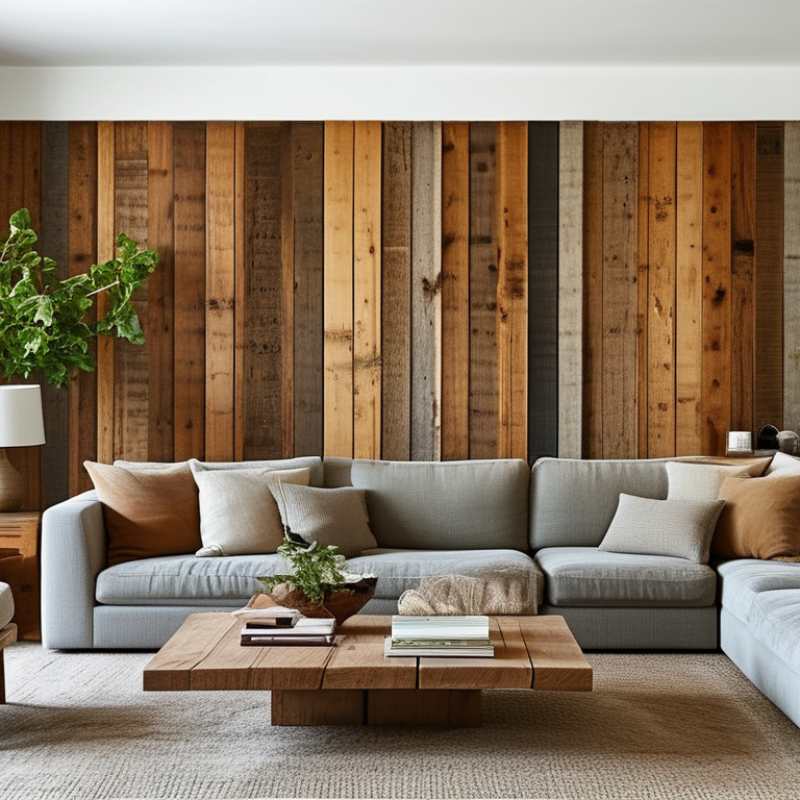
Wood walls have become increasingly popular due to their aesthetic appeal and versatility. These walls can transform a space, whether rustic, modern, or eclectic. There are various types of wood walls, each offering unique characteristics. For example, reclaimed wood panels add charm and history to a room. They often come with stories and imperfections, enhancing their authenticity.
Another option is shiplap, which features overlapping boards. This style creates a clean and streamlined look, perfect for contemporary homes. People often choose this in light colors to brighten a space. On the other hand, tongue-and-groove panels are another popular choice. They allow a snug fit, minimizing gaps between planks. This type gives a polished appearance, ideal for sophisticated interiors.
Incorporating wood walls into a space isn't without challenges. Selecting the right wood type is crucial. Some woods warp or fade over time. Proper care and maintenance must also be considered. A poorly executed installation can lead to humidity issues or even pests. While wood walls are attractive, reflecting on these details is essential before proceeding.
The History of Wood Walls in Interior Design
The appeal of wood walls in interior design can be traced back to their rich history. For centuries, wood has been a favored material for building structures and homes. The natural warmth and versatility of wood have made it a timeless choice. According to a 2021 report by the American Institute of Architects, over 50% of homeowners preferred wood accents in their interior spaces. This is not just a passing trend; wood walls signify a connection to nature, which many people seek in modern design.
In recent years, wood walls have gained renewed popularity. They often serve as focal points in homes, creating an inviting atmosphere. However, the demand for wood has raised concerns about sustainability. A study by the Forest Stewardship Council showed that while wood can be eco-friendly, unsustainable harvesting practices harm forests. Homeowners are encouraged to select responsibly sourced wood to maintain balance.
The aesthetic appeal and sensory experience of wood walls cannot be overlooked, but it's essential to reflect on their impact on the environment as well. This duality in their usage makes wood walls both intriguing and complex in contemporary design.
Reasons for the Rising Popularity of Wood Walls Today
Wood walls have gained significant traction in modern interior design. Their warm aesthetics bring a unique charm to various spaces. People are drawn to the natural look and feel of wood. This popularity stems from a desire for sustainable materials and a connection to nature.
Many homeowners appreciate the versatility of wood walls. They can fit into different styles, from rustic to contemporary. Wood can be painted or stained in various shades, allowing for personal expression. Additionally, wood enhances acoustics, making a space feel cozier. However, maintaining wood walls can be a task. They may require regular sealing to prevent moisture damage.
Another reason for their popularity is the growing interest in wellness. Natural materials like wood can improve indoor air quality. This has led to increased demand for wooden features. But not every type of wood suits all climates. Understanding local conditions is crucial before making a decision. Overall, while wood walls bring beauty and character, they also come with considerations for care and suitability.
Popularity of Wood Walls Over the Years
The chart above illustrates the increasing search interest in wood walls from 2019 to 2023. The rising popularity reflects growing trends in interior design and sustainability, making wood walls a favored choice in modern home decor.
Benefits of Using Wood Walls in Home Decor
Wood walls are becoming a staple in modern home decor for many reasons. They add warmth and texture, creating an inviting atmosphere. The natural beauty of wood can complement various design styles, from rustic to contemporary. When properly finished, wood walls bring out stunning grain patterns and colors.
Using wood walls also offers practical benefits. They have excellent insulation properties, helping maintain comfortable temperatures. Wood can absorb sound, making a space quieter and more peaceful. This acoustic benefit is often overlooked, yet it greatly enhances living spaces, contributing to overall comfort. However, maintaining wood walls requires regular care, which might be a drawback for some homeowners.
Another point to consider is sustainability. Choosing reclaimed or responsibly sourced wood can minimize environmental impact. It’s essential to think about where the wood comes from. This reflection can guide choices that are both stylish and eco-friendly. Some people may find upkeep challenging or might not want to deal with potential pests. Despite these challenges, the aesthetic and functional benefits often outweigh the downsides.
Tips for Choosing and Installing Wood Walls in Your Space
Wood walls are increasingly favored by homeowners and designers. Their natural warmth and texture bring a unique charm to interiors. Yet, choosing and installing wood walls can be a daunting task. Here are some tips to help you navigate the process effectively.
When selecting wood, pay attention to its type and finish. Different woods have varying levels of durability and maintenance needs. For example, oak offers strength but can be costly. Pine, on the other hand, is more affordable but might dent easily. Additionally, think about the climate of your space. Humidity can affect wood’s integrity. Using treated wood in damp areas may be wise.
Installation also requires careful thought. Ensure that the wall is properly prepared. Remove any existing coverings to avoid complications. You may need to level the surface first. When laying the wood, consider the direction of the planks. Vertical placement can create an illusion of height, while horizontal can make a room feel wider. Remember to leave gaps for expansion, especially in warmer climates. Embrace the idea of imperfections; they add character.