Top Benefits of Using a Fiber Laser Machine for Manufacturing?
The use of fiber laser machines in manufacturing has transformed various industries. According to a report by Fortune Business Insights, the fiber laser market is expected to grow significantly, reaching $7.5 billion by 2026. This growth highlights the increasing adoption of fiber lasers due to their efficiency and precision.
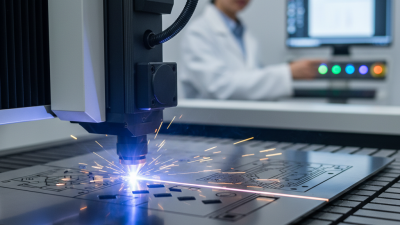
Fiber laser machines excel in cutting, welding, and engraving various materials. Their energy efficiency reduces operational costs, which is crucial in today's competitive market. A significant reduction in waste also contributes to more sustainable manufacturing practices. Some manufacturers still struggle to maximize these benefits fully, often due to a lack of training or integration challenges.
Despite the clear advantages, not every company has transitioned smoothly. Factors like initial investment costs and required skill sets pose obstacles. Nevertheless, investing in a fiber laser machine can lead to long-term benefits. Industry leaders recognize this potential and are actively reshaping their production strategies to include fiber laser technologies.
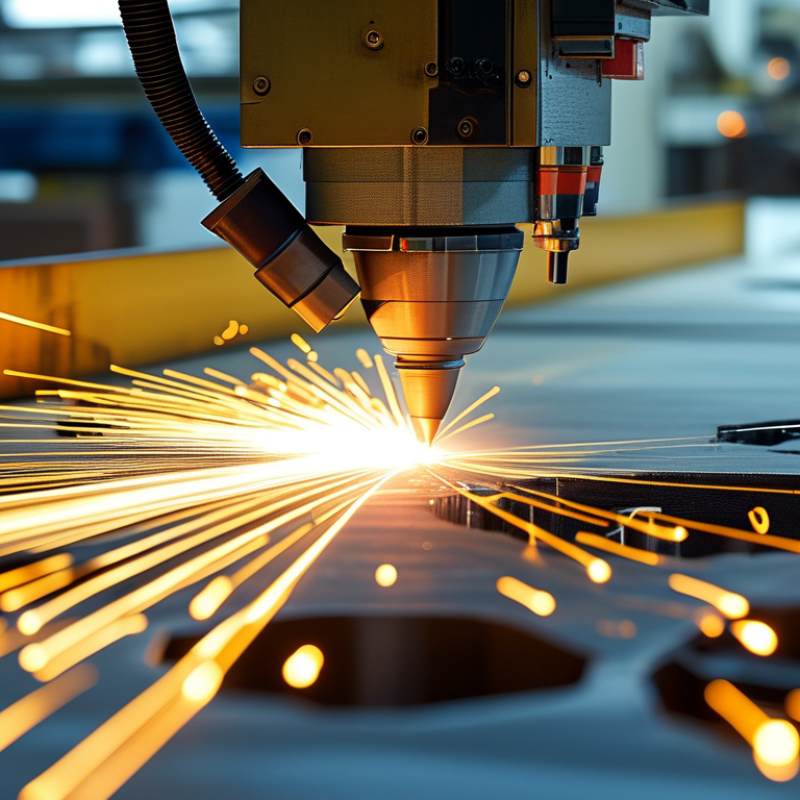
Key Advantages of Fiber Laser Machines in Modern Manufacturing
Fiber laser machines have revolutionized modern manufacturing with their precision and efficiency. Many industries now rely on these machines for cutting and engraving tasks due to their remarkable speed. Studies reveal that fiber lasers can achieve cutting speeds up to 20 meters per minute. This enhancement notably reduces production time and costs, making it a coveted tool in competitive manufacturing environments.
Another key advantage is the energy efficiency of fiber laser machines. Reports indicate that these machines consume up to 70% less energy compared to conventional CO2 lasers. This reduction translates into lower operational costs and a smaller carbon footprint, which is crucial as industries face increasing pressure to adopt sustainable practices. Furthermore, the lifespan of a fiber laser source often exceeds 100,000 hours, diminishing the need for frequent replacements and maintenance.
However, embracing fiber laser technology does come with challenges. Implementation costs can be significant for small businesses. Operators need proper training to fully harness the machine's capabilities. Certain materials may also present difficulties, requiring adaptation to different settings. Continuous evaluation and adjustment are essential to maximize these machines' benefits. The initial learning curve can be steep, but the trade-offs often lead to long-term gains in productivity and efficiency.
Top Benefits of Using a Fiber Laser Machine for Manufacturing
| Benefit | Description | Impact on Manufacturing |
|---|---|---|
| Precision Cutting | Fiber lasers offer high precision in cutting materials, resulting in intricate designs and minimal waste. | Enhances product quality and reduces material costs. |
| Speed | Fiber lasers operate at higher speeds than traditional lasers, increasing throughput in manufacturing processes. | Improves overall production efficiency and reduces lead times. |
| Lower Operating Costs | Fiber lasers consume less energy and have lower maintenance costs compared to CO2 lasers. | Results in decreased operational expenses for manufacturers. |
| Versatility | Able to cut a variety of materials including metals, plastics, and ceramics. | Allows manufacturers to diversify their product offerings without needing multiple machines. |
| Environmentally Friendly | Lower energy consumption and minimal waste output contribute to a greener manufacturing process. | Contributes to sustainability goals and improves corporate social responsibility. |
Conclusion
Fiber laser machines have revolutionized modern manufacturing by offering a multitude of advantages that enhance production efficiency and quality. One of the key benefits is their high precision and accuracy, which are essential for maintaining superior quality in products. Additionally, fiber laser machines contribute to cost efficiency by significantly reducing both operational and maintenance expenses, making them an economically viable option for manufacturers.
Furthermore, their versatility allows for applications across various industries and materials, from metals to plastics. The increased speed of operation boosts productivity in manufacturing processes, while the minimal material waste generated during cutting is beneficial both environmentally and economically. Overall, the adoption of fiber laser machines represents a critical advancement in manufacturing technology, driving innovation and sustainability.
Related Posts
-

Top 10 Fiber Laser Manufacturers in China You Should Know?
-
2026 Top Fiber Laser Applications Every Buyer Should Know?
-
Top 10 Fiber Laser Tables for Global Buyers in 2026?
-
How to Choose the Best Fiber Laser Engraver for Your Needs?
-
Best Laser CNC Machines for Precision Cutting and Engraving?
-
Top Tips for Choosing a Fiber Laser CNC Machine for Your Business?