10 Best CNC Cutting Machines for Global Buyers

Choosing among the 10 best CNC cutting machines requires more than comparing prices or spindle speeds. Global buyers must examine cutting accuracy, machine structure, software compatibility, safety systems, and after-sales support. A suitable cnc cutting machine should match the material, workspace, production volume, and operator experience. A compact router may handle plywood and acrylic efficiently, while a fiber laser may better suit precise metal fabrication. Details matter.

This guide evaluates leading machines through practical purchasing criteria and publicly available manufacturer information. It considers working area, cutting thickness, repeatability, power requirements, maintenance needs, and shipping support. It also looks at real workshop concerns, such as dust around the rails, vibration during long cuts, and whether replacement parts are easy to obtain. Fit matters. No machine is perfect for every buyer, and published specifications cannot fully reveal noise, learning difficulty, or long-term reliability. That limitation matters.

The comparisons are designed to support informed decisions, not promote one universal winner. Buyers should verify certifications, electrical standards, warranty terms, installation requirements, and local service availability before ordering. Regional voltage differences can create unexpected costs. Operator training also affects final results, sometimes more than a small accuracy difference on paper. By balancing technical evidence with practical experience, this overview helps manufacturers, workshops, educators, and serious hobbyists identify machines that offer dependable value across different markets. Further testing may change some rankings, especially as manufacturers update their designs.
10 Best CNC Cutting Machines for Global Buyers

What Is a CNC Cutting Machine and How Does It Work?

A CNC cutting machine is a computer-controlled tool that removes or separates material with programmed accuracy. CNC means computer numerical control. It guides a cutting head along precise X, Y, and sometimes Z axes. Depending on the machine, the tool may use a rotating blade, router bit, laser, or plasma arc. Operators usually begin with a CAD drawing. CAM software then converts that drawing into toolpaths and machine code. The controller reads each command and coordinates movement, speed, depth, and cutting power.

The process looks simple, but small details matter. Material thickness, clamping pressure, tool condition, and cutting speed can change the result. During setup, I would check the work surface, secure the sheet, set the origin, and run a dry simulation. It prevents many costly mistakes. The first cut is rarely perfect. That deserves honest attention. A slightly wrong feed rate may leave rough edges or create excess heat. Soft materials can shift, while dense materials may require several passes. Global buyers should also examine voltage, working dimensions, software compatibility, spare parts, and operator training. A reliable machine needs more than impressive specifications. It needs clear documentation, stable calibration, protective guarding, and responsive technical support. Test samples are valuable because they reveal practical performance better than a product sheet.

10 Best CNC Cutting Machines for Global Buyers: What Is a CNC Cutting Machine and How Does It Work?

A CNC cutting machine uses computer-controlled coordinates to guide a cutting tool, beam, jet, or blade along a programmed toolpath. The chart below compares typical material-thickness ranges for major CNC cutting machine categories. Actual performance depends on material type, machine configuration, power, nozzle or tool selection, and cutting speed.

How to read the chart: Each bar shows a representative thickness range commonly associated with the machine type. Laser, plasma, oxy-fuel, waterjet, router, and knife systems serve different materials and production requirements, so buyers should confirm the specified capacity for their exact application.

Key Features to Compare Before Choosing a CNC Cutting Machine

Choosing among the 10 best CNC cutting machines requires more than comparing prices. Start with the working area and material range. A 600 × 900 mm table may suit small signs, but larger furniture panels need more space. Check spindle power, cutting speed, and positioning accuracy together. High speed is useless if edges look rough. For metal, confirm the machine supports the required thickness and cutting method. For wood, plastics, or composites, inspect dust collection and heat control.

Software compatibility also matters. Confirm file formats, controller language, and upgrade options before ordering. A machine with simple calibration can reduce production delays. Safety features deserve equal attention, including emergency stops, enclosed cutting zones, overload protection, and clear operating instructions. Global buyers should verify voltage, plug standards, packaging quality, installation support, spare-part availability, and response times. These details often matter more than attractive specifications.

Tips: Request a sample cut on your actual material. Measure edge quality, noise, heat marks, and cutting time. Ask for maintenance videos, not only brochures. I once focused too heavily on advertised precision and overlooked cleaning access. That was a costly oversight. Also compare the total ownership cost, including tooling, shipping, training, software, and routine repairs. A cheaper machine may become expensive after several months. Leave room for uncertainty; real workshop conditions rarely match showroom demonstrations.

10 Best CNC Cutting Machines for Global Buyers

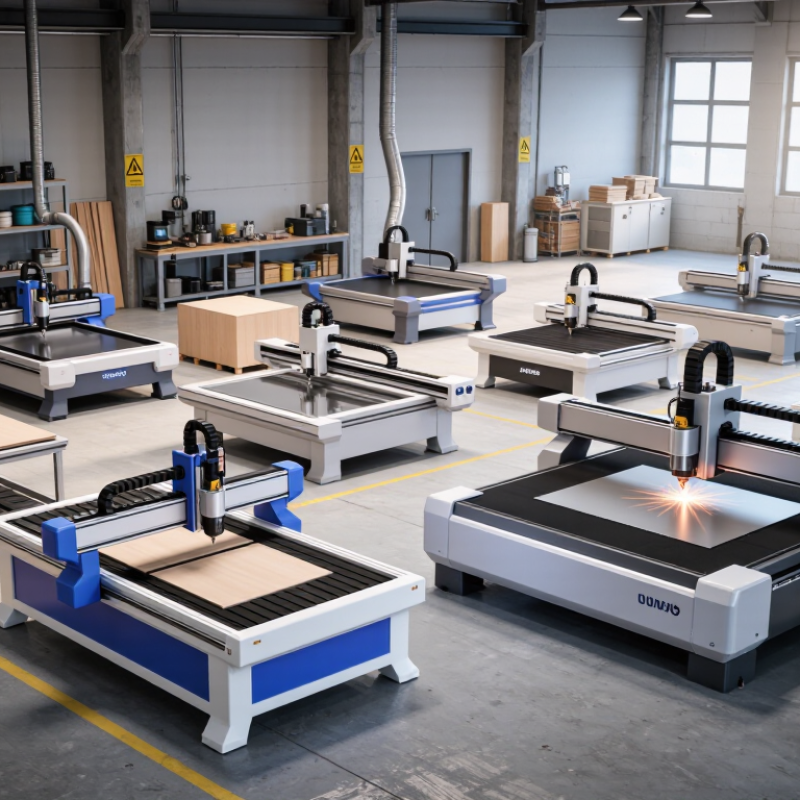
For global buyers, the 10 best CNC cutting machines are not identical for every workshop. A CNC router suits wood, plastic, and aluminum sheets, while a fiber laser handles precise metal cutting. CO2 lasers work well with acrylic, leather, and timber. Plasma cutters offer fast steel cutting, but their edges may require finishing. Waterjet machines cut stone, glass, and thick metal without creating a heat-affected zone.

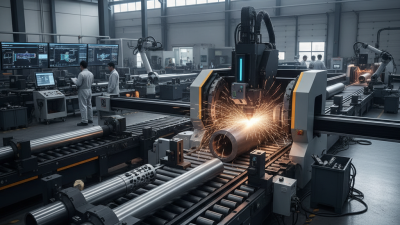
Oxy-fuel systems remain practical for very thick carbon steel. CNC knife cutters are useful for foam, fabric, and packaging board. Stone bridge saws provide controlled cuts for slabs and tiles. Tube laser machines process round, square, and rectangular profiles efficiently. A five-axis machining center supports complex parts, although it demands higher operator skill and maintenance discipline.

Real purchasing decisions should include material thickness, table size, cutting tolerance, power supply, software compatibility, and local safety requirements. Check whether the machine supports your region’s voltage and emergency-stop standards. Ask for sample cuts using your own material, not only showroom demonstrations. A clean edge may hide slow production speed. A low purchase price can also conceal expensive filters, nozzles, pumps, or replacement blades.

Operator training matters. Dust extraction and protective guarding should be inspected before installation. Remote technical support is helpful, but it cannot replace local service capacity. Some specifications look impressive on paper. They may disappoint during continuous production. Allow space for loading, ventilation, waste collection, and future upgrades.

How to Match a CNC Machine to Materials and Production Needs

Choosing a CNC cutting machine starts with material behavior, not catalog promises. A machine that cuts acrylic cleanly may struggle with thick aluminum. Wood creates dust. Stainless steel demands controlled heat and suitable tooling. I usually inspect thickness, hardness, surface finish, and required tolerance before comparing machines. Small details matter. A 2 mm tolerance differs greatly from 0.2 mm.

Production volume changes the decision. A workshop making ten custom panels weekly may value flexible tooling and simple setup. A factory producing thousands of identical parts needs repeatability, automatic tool changing, reliable clamping, and accessible service. Check the working area against your largest planned sheet, not today’s sample. Leave room for fixtures and movement. Cutting speed alone can mislead. Faster motion may increase burrs, heat marks, or scrap. Request sample cuts using your actual material and thickness. Record cycle time, edge quality, noise, and cleanup effort.

Global buyers should verify power requirements, control-system compatibility, spare-part access, training, and safety documentation. Confirm whether manuals are clear and remote support works across time zones. I have seen buyers overlook dust extraction, then lose production hours to clogged filters and poor visibility. That mistake is avoidable, but not always. A lower purchase price can become expensive after installation. Recheck operating cost, operator skill, and maintenance intervals. The “best” machine may be the one your team can run consistently.

10 Best CNC Cutting Machines for Global Buyers - How to Match a CNC Machine to Materials and Production Needs

Rank CNC Machine Type Primary Materials Typical Working Area Typical Cutting Thickness Typical Accuracy Typical Cutting Speed Typical Power Range Best Production Fit Key Selection Consideration
1 Fiber Laser Cutting Machine Carbon steel, stainless steel, aluminum, brass, copper 1,500 × 3,000 mm to 2,000 × 6,000 mm 0.5–25 mm, depending on laser power and material ±0.03–0.10 mm Up to approximately 20–40 m/min for thin sheet 1–20 kW laser source High-volume sheet-metal fabrication and repeat production Laser power, assist-gas supply, fume extraction, and local electrical standards
2 CO₂ Laser Cutting Machine Acrylic, wood, plywood, MDF, leather, fabric, rubber, selected plastics 600 × 400 mm to 1,600 × 3,000 mm 0.1–25 mm, depending on material and power ±0.05–0.15 mm Up to approximately 10–30 m/min 40 W–300 W laser tube Sign production, packaging, interior products, and nonmetal cutting Material compatibility, ventilation, tube life, and cooling requirements
3 CNC Router Wood, MDF, plastics, foam, aluminum, composite panels 1,300 × 2,500 mm to 2,000 × 4,000 mm Up to 100 mm or more in multiple passes ±0.05–0.20 mm Approximately 8–30 m/min, depending on tooling 2.2–15 kW spindle Furniture, cabinetry, signs, panels, and 3D carving Spindle torque, dust collection, vacuum table, and tool-changer needs
4 CNC Plasma Cutting Machine Mild steel, stainless steel, aluminum 1,500 × 3,000 mm to 2,500 × 8,000 mm 1–50 mm, depending on plasma system ±0.15–0.50 mm Approximately 5–25 m/min 45–200 A plasma power source General steel fabrication, structural parts, and repair workshops Required edge quality, consumable cost, compressed air quality, and fume control
5 CNC Oxy-Fuel Cutting Machine Carbon steel and low-alloy steel 1,500 × 3,000 mm to 4,000 × 12,000 mm 6–300 mm or more ±0.50–1.50 mm Approximately 0.2–1.5 m/min Gas cutting; no high-power electrical source required Very thick steel plate, shipbuilding, bridges, and heavy fabrication Gas availability, plate thickness, heat-affected zone, and preheating control
6 CNC Waterjet Cutting Machine Stone, glass, ceramics, metals, composites, rubber, foam 1,500 × 3,000 mm to 2,000 × 6,000 mm 1–200 mm or more ±0.05–0.15 mm Approximately 50–500 mm/min, material-dependent 30–100 hp high-pressure pump Heat-sensitive materials, thick sections, and mixed-material cutting Water treatment, abrasive consumption, drainage, noise, and floor loading
7 CNC Knife Cutting Machine Cardboard, corrugated board, foam, textiles, leather, gaskets, vinyl 1,600 × 2,500 mm to 2,000 × 6,000 mm Up to approximately 50 mm, depending on tool and material ±0.10–0.30 mm Approximately 500–1,500 mm/s 0.5–3 kW electrical system Packaging prototypes, upholstery, apparel, signage, and soft materials Tool selection, oscillating or rotary knife options, vacuum hold-down, and nesting software
8 CNC Stone Cutting Machine Granite, marble, quartz, limestone, porcelain, engineered stone 2,000 × 3,000 mm to 3,500 × 7,000 mm 10–200 mm, depending on blade diameter and passes ±0.10–0.50 mm Approximately 1–8 m/min 7.5–22 kW spindle or saw motor Countertops, tiles, monuments, flooring, and architectural stonework Wet cutting, slurry management, blade diameter, bridge rigidity, and automatic tool calibration
9 CNC Pipe and Tube Cutting Machine Round, square, rectangular, and oval metal tubes Tube lengths of 3,000–12,000 mm; diameters of 20–350 mm 0.5–20 mm wall thickness, depending on laser power ±0.05–0.15 mm Up to approximately 30–60 m/min positioning speed 1–6 kW fiber laser source Frames, furniture, automotive parts, fitness equipment, and structural components Tube diameter range, chuck design, automatic loading, nesting software, and profile library
10 CNC Oscillating-Bit Cutting Machine Honeycomb board, paperboard, corrugated board, foam board, felt, composites 1,600 × 2,500 mm to 2,500 × 6,000 mm Up to approximately 60 mm, depending on material density ±0.10–0.30 mm Approximately 300–1,200 mm/s 1–5 kW electrical system Short-run packaging, displays, prototypes, and digital manufacturing Tool frequency, cutting depth, vacuum zoning, barcode workflow, and CAD/CAM compatibility

Note: Specifications are representative market ranges for comparable machine configurations. Actual performance depends on material grade, thickness, tooling, software, machine structure, and operating conditions.

Global Buying Factors: Price, Safety, Support, and Maintenance

Price should mean total ownership cost, not the machine’s invoice. Compare cutting speed, power demand, consumables, software fees, freight, installation, and local taxes. The U.S. Department of Energy’s compressed-air guide reports that leaks can waste 20–30% of compressor output. A low-priced machine may quietly increase energy and maintenance bills.

Safety deserves measurable checks. The International Labour Organization estimated nearly three million work-related deaths worldwide in 2023. Ask for guarding, emergency stops, interlocks, operator training, and documented risk assessments. ISO 12100 provides a useful framework for identifying and reducing machinery hazards. Local requirements still differ. Verify them before payment.

Support can decide whether production resumes tomorrow or next month. Request spare-parts lead times, remote diagnostics, service coverage, and multilingual manuals. Inspect the maintenance schedule for filters, guides, lenses, coolant, and alignment checks. Keep calibration records and photograph early wear. I would not trust vague promises. A signed response-time agreement is stronger than a friendly sales call. One practical flaw remains: buyers often compare machines under ideal materials, while real workshops cut mixed thicknesses, dusty sheets, and imperfect stock. Test those conditions before choosing.

Contact Us Today for a Free Quote

(800) 708-6036