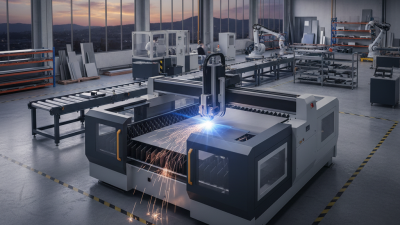
What Is a Fiber Laser CNC Machine and How Does It Work?
A fiber laser CNC machine represents a significant advancement in manufacturing technology. This machine combines the precision of CNC systems with the power of fiber laser technology. Its applications span diverse industries, including automotive, aerospace, and electronics. The integration of these technologies creates a tool that delivers outstanding cutting and engraving capabilities.
Fiber lasers are known for their efficiency and speed. They can cut through various materials with ease, providing high-quality finishes. However, they also require careful setup and maintenance. Many operators face challenges in achieving optimal performance. It’s crucial to understand the specific requirements for each material and project.
While the fiber laser CNC machine is a powerful asset, it is not without limitations. Skill and experience are essential to harness its full potential. Training and practice are necessary to avoid common mistakes. As technology continues to evolve, so too does the need for ongoing learning in this dynamic field.
What Is a Fiber Laser CNC Machine?
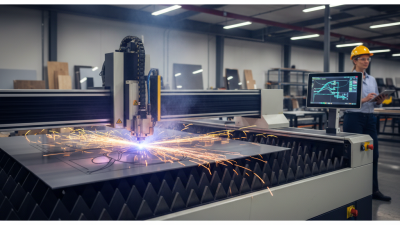
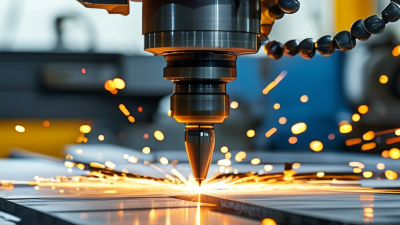
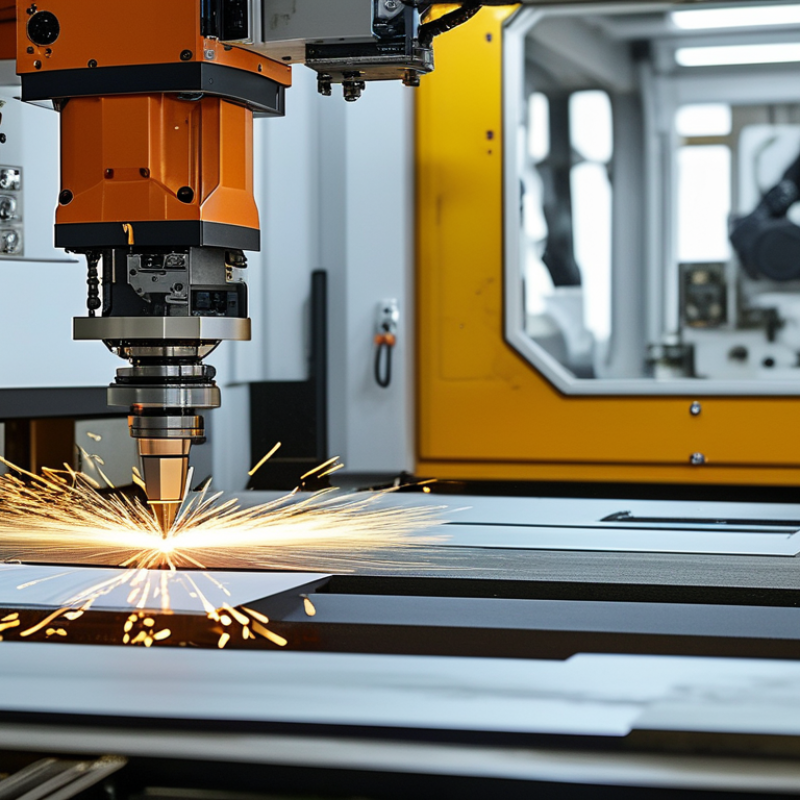
A fiber laser CNC machine is a cutting-edge tool used in various industries. It employs a fiber laser to cut, engrave, or mark materials. This technology offers precision and speed. The machine utilizes a fiber optic cable to generate a high-powered beam of light. The beam focuses on the material, melting or vaporizing it away. This process can work with metals, plastics, and even fabric.
The efficiency of a fiber laser is impressive. With minimal heat affected zones, it ensures clean edges and reduces the need for post-processing. Fiber lasers also require less maintenance compared to traditional CO2 lasers. This machine is versatile and can handle different thicknesses. Its reliability boosts production levels in workshops and factories.
However, operators should understand the complexities of settings. Incorrect adjustments can lead to subpar results. Training is crucial to maximize the machine's potential. Understanding the materials being used is equally important. Different materials require specific settings for optimal cutting. This machine can unlock many possibilities in manufacturing, but precision is key. Embracing the technology comes with a learning curve, but the benefits are undeniable.
The Technology Behind Fiber Laser CNC Machinery
Fiber laser CNC machinery represents a significant advancement in cutting technology. It utilizes a fiber optic laser to achieve precise and efficient cutting of various materials. This technology is based on the principle of light generation and amplification through a fiber medium. The laser beam produced is highly focused, which allows for clean cuts with minimal heat-affected zones. This precision reduces the need for secondary processing, saving time and costs.
The operational mechanics involve several critical components. A diode laser pumps light into the fiber, where it is amplified. This system achieves high energy efficiency. The focused laser then interacts with the material, generating extreme temperatures that melt or vaporize it. This process results in intricate designs and shapes, which are essential in industries like automotive and aerospace. However, not all materials are suitable for fiber laser cutting. Reflective surfaces can pose challenges and may lead to inefficiencies, highlighting a limitation of the technology.
As with any advanced system, issues can arise during operation. Misalignment can result in uneven cuts. Regular maintenance is required to keep the machinery in optimal condition. Operators must also be trained to handle the equipment responsibly. Despite these shortcomings, the evolution of fiber laser technology continues to enhance machining capabilities across various sectors.
Key Components of Fiber Laser CNC Machines
Fiber laser CNC machines have revolutionized metal fabrication and material processing. Their efficiency and precision stem from key components that drive their operation. One crucial element is the fiber laser itself. Unlike traditional lasers, fiber lasers utilize a solid-state medium. This allows for better energy efficiency and reliability, reducing maintenance needs.
Another significant component is the CNC controller. It manages movements and commands during the cutting process. This sophisticated software ensures accurate and repeatable results. Operators can program complex patterns with ease, engaging in detailed work without the fear of errors or deviations.
Cooling systems also play an important role. These systems manage heat generated during operation. Efficient cooling extends the life of the machine and maintains performance efficiency. Neglecting proper cooling can lead to overheating and costly repairs. While fiber laser CNC machines are powerful, they require careful setup and operation. Operators must remain vigilant, ensuring every component functions correctly to achieve optimal results.
How Fiber Laser CNC Machines Operate
Fiber laser CNC machines have revolutionized the fabrication and manufacturing sectors. These machines utilize a high-powered fiber laser to cut, engrave, and mark a wide range of materials. Fiber lasers are efficient and produce a focused beam of light. This beam can penetrate materials with precision, making it ideal for detailed work.
The operation of a fiber laser CNC machine involves several key components. A light source generates the laser, while the fiber-optic cable amplifies it. The CNC controls guide the machine's movements. The machine follows a programmed path, creating intricate designs. Operators must calibrate the settings carefully for each material type. This ensures accurate cuts without damaging the material.
While fiber laser machines are advanced, they are not without challenges. Operators may encounter difficulties in settings for different materials. Understanding the right speed and power is crucial. Mistakes can lead to poor results or damage. Training is essential for anyone looking to operate this technology effectively. Proper education mitigates risks and enhances productivity. Fiber laser CNC machines offer immense potential but require careful handling and expertise.
Applications and Benefits of Fiber Laser CNC Technology
Fiber laser CNC technology is transforming various industries with its precision and efficiency. Common applications include metal cutting, engraving, and marking. Reports show that the fiber laser market is projected to reach $5.6 billion by 2025, reflecting an industry shift towards more efficient manufacturing processes. These lasers cut through materials like steel and aluminum with speed and clean edges, reducing the need for secondary processing without compromising quality.
One notable benefit is energy efficiency. Fiber lasers consume less power than traditional machines, making them more sustainable. Their longer lifespan also minimizes maintenance costs. Users find this advantageous in manufacturing settings where uptime is critical. Additionally, the ability to work on a variety of materials widens their scope of application, appealing to diverse sectors, from automotive to aerospace.
Tip: When implementing fiber laser technology, consider the material compatibility of your projects. Using the right settings can enhance performance significantly. Assessing your specific needs ensures you maximize the benefits fiber lasers offer. It's essential to regularly review your processes and technology to stay competitive. Keeping up with trends can feel overwhelming, but it’s crucial for sustainable growth.