What Is the Best Tube Laser Cutting Machine?
Choosing the best tube laser cutting machine depends on your materials, production volume, accuracy requirements, and available workspace. A machine designed for thin stainless steel may struggle with thick carbon steel or irregular profiles. The right choice must match your daily workload, not just its advertised power.
In real workshops, operators often compare laser source quality, chuck stability, cutting speed, software control, and after-sales support. A reliable tube laser cutting system should produce clean holes, smooth edges, and consistent cuts along round, square, rectangular, and oval tubes. Watch the details. A small alignment error can create visible gaps during welding. An unstable clamping system can also damage polished surfaces.
This guide examines what makes a tube laser cutting machine practical for professional use. It considers fiber laser power, maximum tube length, diameter range, automation, maintenance, and energy consumption. It also explains how cutting performance changes across steel, aluminum, copper, and stainless steel. Numbers matter, but they do not tell the whole story. A lower-powered machine may deliver better results when its optics, software, and motion system are well matched.
There is no universal winner. Every factory has different priorities.
We will also address common buying mistakes, including choosing excessive power or ignoring operator training. Some recommendations may seem obvious. They are often overlooked. Based on manufacturing practices and equipment evaluation, this overview aims to help buyers make a clearer, more defensible decision.
Tube Laser Cutting Machine Basics: Fiber Power Options from 1–6 kW
What Is the Best Tube Laser Cutting Machine?
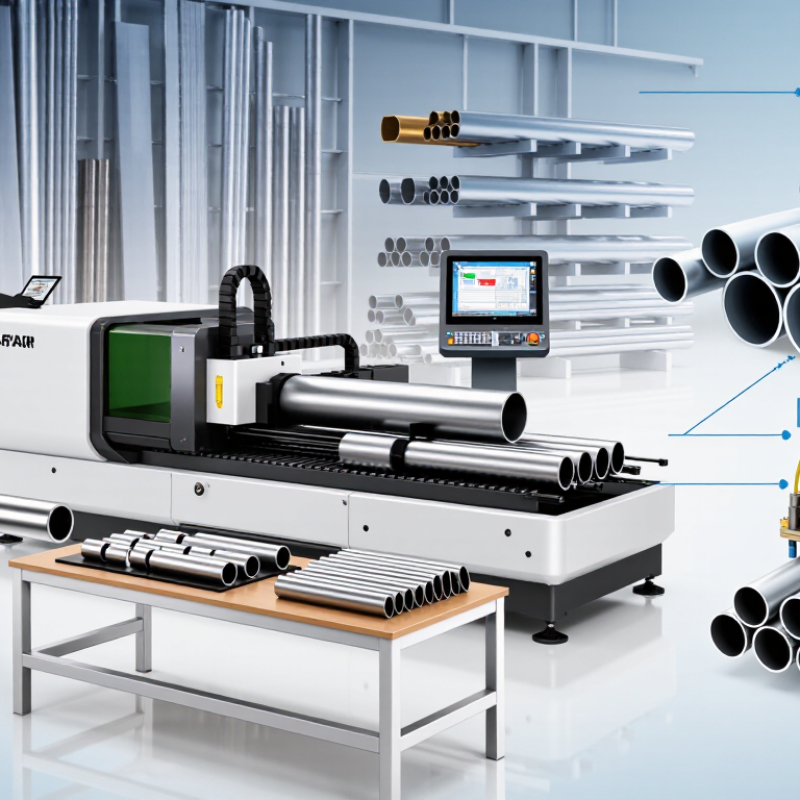
Tube laser cutting machines commonly offer fiber power from
1 to 6 kW. The best choice depends on tube diameter, wall thickness, material, and daily workload.
1–2 kW
A 1–2 kW source suits stainless steel or carbon steel tubes with thinner walls. It usually reduces energy demand and operating costs.
3–4 kW
A 3–4 kW system offers a practical balance for mixed production.
6 kW
A 6 kW machine handles thicker sections faster, but higher power does not guarantee better quality.
I would not call 6 kW automatically best. That judgment is too simple.
MarketsandMarkets’ 2024 Laser Cutting Machine Market report projects growth from about
5.5 billion dollars in 2024 to
8.6 billion dollars by 2029. Grand View Research also forecasts strong expansion, with an estimated
7.3% compound annual growth rate.
These figures reflect rising automation demand, but they do not remove basic engineering limits. Cutting speed still depends on gas pressure, nozzle alignment, focus position, and tube rigidity. A powerful source can create more dross when settings are poorly matched.
Tips:
Test real production samples before purchasing. Measure cycle time, kerf quality, piercing stability, and edge burrs. Ask for data on tubes you actually process, not only polished demonstrations.
Remember auxiliary equipment, extraction, software, and maintenance. They can quietly change the investment.
My own preference would be a well-tuned 3–4 kW machine for varied work, though that choice deserves review when thick tube orders become regular.
Tube Capacity: Diameter, Wall Thickness, and Standard 6–12 m Lengths
What Is the Best Tube Laser Cutting Machine?
Choosing the best tube laser cutting machine starts with tube capacity, not advertised speed. Measure the outside diameter, internal opening, and wall thickness of your actual materials. A machine rated for 20–220 mm tubing may struggle with thin, flexible profiles near its upper range. It matters.
Wall thickness affects piercing time, heat control, and edge quality. Thin stainless steel can deform under excessive clamping pressure. Thick carbon steel needs sufficient laser power and stable gas delivery. Square and rectangular tubes also require enough chuck clearance, especially when corners must remain accurate. Test your most difficult section before making a decision.
Standard tube lengths commonly range from 6 to 12 meters. A six-meter bed may suit ordinary fabrication, while twelve-meter processing reduces cutting interruptions for structural work. However, longer machines require better tube supports, loading space, and floor planning. A sagging tube can create vibration, even when the cutting head is precise. I have seen capacity charts look impressive, yet the workshop could not load the full length safely. That detail is easy to miss.
Check the maximum finished length, not only the raw material length. Ask how the machine handles remnants, thin-wall tubing, and repeated loading. A realistic trial should include your largest diameter, thickest wall, longest tube, and smallest hole. Measure the cut parts afterward. Small errors often appear at the far end.
Cutting Accuracy: ±0.1 mm Positioning Under ISO 230-2 Verification
What Is the Best Tube Laser Cutting Machine?
For tube processing, a claimed ±0.1 mm positioning result deserves careful attention. Under ISO 230-2 verification, positioning accuracy is assessed through defined axis movements, measurement cycles, and repeatability checks. It does not automatically mean every finished cut will be accurate within ±0.1 mm. That distinction matters. A machine may position precisely during testing, yet produce different results when cutting long, thin, or heat-sensitive tubing.
In practical evaluations, I would inspect the test method before trusting the number. Was the machine warmed up? Were measurements taken in both travel directions? Did the report identify backlash, pitch error, and repeatability? A reliable supplier should provide traceable measurement records, test conditions, and calibration dates. Clear evidence is more valuable than a large accuracy claim.
Real cutting performance also depends on chuck alignment, tube straightness, support rollers, laser focus, and thermal drift. A 3-meter tube can sag slightly before cutting even begins. That small movement may affect hole locations and joint fit. Operators should compare the first and last features on a sample tube. Check them with a calibrated gauge or vision system. Do not rely only on the machine display. Even with strong ISO 230-2 results, maintenance and setup remain critical. My own preference is a machine with transparent verification data, stable mechanics, and practical support, rather than impressive specifications that lack context.
Best Machine Selection: Power, Assist Gas, Maintenance, and Total Cost Analysis
What Is the Best Tube Laser Cutting Machine?
Choosing the best tube laser cutting machine starts with the job, not the advertised wattage. A 3 kW fiber laser may cut thin stainless steel efficiently, while thicker carbon steel may justify 6 kW or more. However, higher power can increase electricity use, lens stress, and purchase cost. The U.S. Department of Energy reports that compressed-air leaks can waste 20–30% of compressor output. Assist-gas planning therefore matters. Nitrogen supports clean stainless-steel edges, while oxygen can improve cutting speed on mild steel but may create oxide.
Maintenance is often underestimated. Operators should inspect protective windows, clean fixtures, check chiller temperature, and record nozzle changes. Small faults become expensive downtime. IEA data shows industry consumes about 37% of global final energy, making idle running and poor air management important cost issues. A reliable machine needs accessible service parts, clear diagnostics, and trained operators. That sounds obvious. It is often ignored.
Tips: Compare total cost over five years, not only the machine price. Include electricity, nitrogen or oxygen, compressor capacity, lenses, nozzles, software, labor, and downtime. Ask suppliers for verified cutting samples using your actual tube sizes and materials. One practical test is not enough. Repeat it. A machine with impressive speed may produce more scrap when tubes bend, reflect, or vary in thickness. I would also challenge optimistic payback claims. They can exclude maintenance and gas inflation. Select measured performance, documented support, and a workload matched to your real production.
What Is the Best Tube Laser Cutting Machine?
The best choice depends on material thickness, production volume, assist-gas strategy, maintenance requirements, and total ownership cost. Higher laser power increases cutting capacity, but it also increases equipment, energy, gas, and maintenance costs.
Selection guidance: A 2–4 kW fiber laser is suitable for many general tube-fabrication applications. Higher-power systems are more appropriate for thick mild steel, high production volumes, and reduced cycle times.
| Assist Gas |
Typical Advantage |
Best Use |
| Compressed air |
Lowest operating cost |
General fabrication and non-critical edges |
| Nitrogen |
Clean, oxidation-free edges |
Stainless steel, aluminum, and painted surfaces |
| Oxygen |
High cutting productivity on mild steel |
Thicker carbon-steel tubes where edge oxidation is acceptable |
Five-year ownership figures are planning estimates in USD for comparable fiber tube-laser configurations, including equipment, electricity, assist gas, and routine maintenance. Actual costs vary with operating hours, material mix, local utility rates, gas prices, and service conditions.