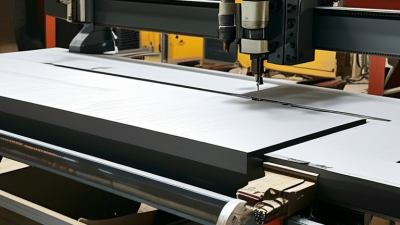
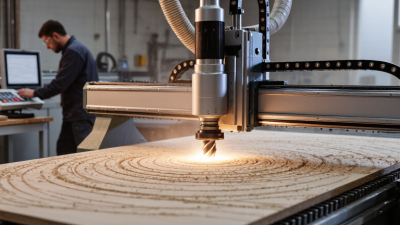
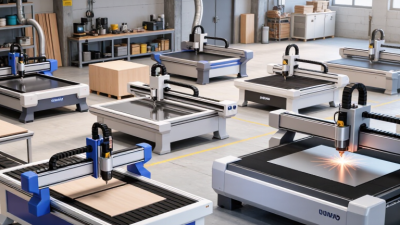
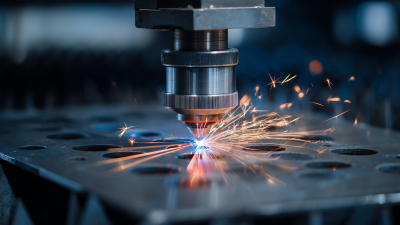
Choosing the best CNC cutting machine begins with the material, not the machine’s glossy specifications. A workshop cutting aluminum sheets needs different power, speed, and rigidity from one processing hardwood, stainless steel, or acrylic. Start by measuring the largest workpiece you handle regularly. Leave room for clamps, dust extraction, and safe operator movement. A machine that barely fits today may become restrictive within a year.
John Saunders, a respected CNC educator and founder of Saunders Machine Works, offers a practical reminder: “It’s all about the chip.” His point matters when comparing spindle power, feed rate, coolant, and tooling. These details determine whether cuts remain clean or produce heat, burrs, vibration, and wasted material. Look for a rigid frame, reliable motion components, accessible controls, and service support near your facility. Software compatibility also deserves attention. A powerful CNC cutting machine can still disappoint if operators struggle to prepare files or correct tool paths.
Do not trust every impressive number.
Ask for test cuts using your actual material and thickness. Examine edge quality, noise, cycle time, and repeatability. Speak with current users, not only sales representatives. Their maintenance experience may reveal weaknesses hidden during demonstrations. Budget honestly for tooling, training, extraction, installation, and future repairs. I have seen buyers focus on cutting speed, then regret ignoring calibration and operator learning time. That mistake is easy to repeat. The “best” machine is not always the fastest one; it is the model that delivers dependable results, manageable costs, and room for your real production needs.
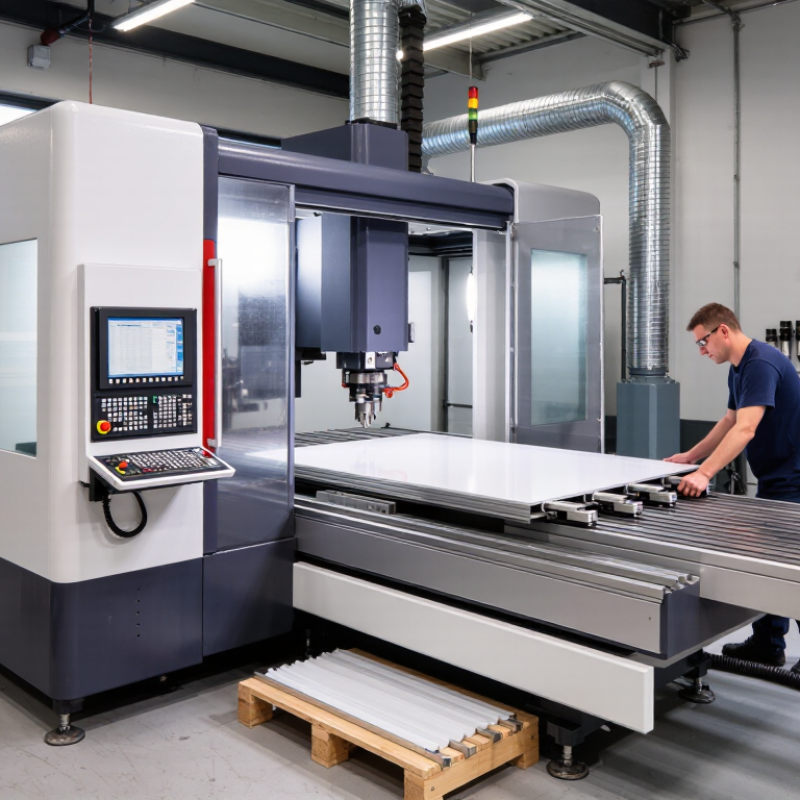
A CNC cutting machine uses computer instructions to move a cutting tool along programmed paths. CNC means computer numerical control. The process usually begins with a CAD drawing, followed by CAM software that creates toolpaths and G-code. The controller reads this code, then coordinates movement on the X, Y, and sometimes Z axes. Depending on the material, the machine may use a router, laser, plasma torch, or waterjet. The cutting head removes or separates material while sensors and motors maintain controlled movement. Small errors matter.
Choosing the best machine starts with the material, thickness, required edge quality, and available workspace. A router suits wood, plastics, and some nonferrous sheets. A laser can produce narrow kerfs on suitable materials. Plasma handles conductive metal efficiently, while waterjet cutting supports thick materials with minimal heat distortion. These options are not interchangeable. Check rated cutting thickness, positioning accuracy, repeatability, table size, extraction needs, and electrical requirements. A published maximum thickness may not equal a clean production result. In real use, test cuts reveal more than brochure figures, especially around corners and small holes.
Reliable operation also depends on calibration, tool condition, software compatibility, guarding, and operator training. A machine that cuts quickly but creates excess dust, slag, or heat may cost more over time. Measure the kerf and inspect the underside after each material change. Test cuts matter. Perfect settings rarely arrive on the first attempt. A practical trial with your own files and materials can expose weak clamping, unstable motion, or difficult maintenance. Document those results before committing to a purchase.
How to Choose the Best CNC Cutting Machine?
A CNC cutting machine should match the materials and tasks in your workshop, not just its advertised power. Wood, plywood, acrylic, and plastics usually require a router with suitable bits, strong dust extraction, and stable workholding. Aluminum needs sharp tooling, controlled cutting speeds, and often coolant or mist. Steel is different. It may require plasma, fiber laser, or waterjet technology, depending on thickness and edge quality.
Define the real workload before comparing machines. Will you cut full sheets, small parts, or irregular profiles? Do you need drilling, engraving, pocketing, beveling, or repeated production? Measure the thickest material, largest workpiece, and tightest tolerance. A machine that cuts thin acrylic beautifully may struggle with dense hardwood or thick aluminum. Cutting speed also changes with tool diameter, feed rate, material hardness, and heat buildup.
Workshop conditions matter too. Check electrical capacity, ventilation, floor space, noise, and chip removal. A reliable machine should offer rigid construction, accurate motion, accessible maintenance, and documented safety controls. I have seen buyers focus on maximum thickness and overlook workholding. That choice can ruin edge quality. Bigger is not always better. Recheck your typical jobs, because occasional projects should not dictate every specification.
Choosing the best CNC cutting machine begins with the material, not the machine’s advertised speed.
Different systems produce different results because their cutting forces, heat, and tool paths vary.
A CNC router suits wood, plastic, foam, and softer composites. Its rotating tool can create pockets, grooves, and three-dimensional details. However, dust collection and tool wear need daily attention.
A laser cutter delivers narrow kerfs and clean edges on sheet metal, acrylic, and wood. Heat can discolor surfaces or distort thin materials. Speed is not everything.
A plasma cutter handles conductive steel and aluminum quickly, especially on medium and thick plates. Its edge may show a wider heat-affected zone, so secondary grinding can become necessary.
A waterjet cuts stone, glass, and heat-sensitive alloys without adding significant heat. It offers excellent flexibility, but abrasive consumption and operating costs can be easy to underestimate.
A knife-based CNC cutter works well for foam, cardboard, textiles, and gaskets, though it cannot replace a metal-cutting system.
In practical workshops, tolerance requirements should guide the decision. Check the expected kerf, cutting thickness, table size, and repeatability under real production conditions.
Specifications alone can mislead.
A machine that cuts quickly during a demonstration may slow down with warped sheets, intricate corners, or frequent material changes.
I would test sample parts before purchasing, including a small hole, a sharp internal corner, and a long straight cut. The results often reveal weaknesses that brochures do not mention.
Buyers should compare technical specifications against real production demands, not impressive catalogue numbers. Cutting power matters, but material thickness, kerf width, and heat distortion matter more. A 3 kW fiber laser may cut thin steel quickly, while thicker plate requires greater power and a suitable assist-gas system. Check rated cutting thickness, not the maximum thickness shown in demonstrations.
Positioning accuracy, repeatability, and table size directly affect finished parts. Look for accuracy stated under recognized testing conditions, such as ISO 230-2, rather than vague “high precision” claims. Compare acceleration, traverse speed, and continuous-duty performance. The fastest machine may lose value if it needs frequent recalibration. The International Federation of Robotics reported 4.28 million industrial robots operating worldwide in 2023, showing how strongly manufacturers are investing in automation. Yet automation does not remove the need for skilled setup.
Tips: Ask for sample cuts using your actual material. Measure edge roughness, dimensional error, cycle time, and consumable use. Also compare controller compatibility, nesting software, fume extraction, maintenance access, and operator training. The U.S. Department of Energy’s Better Plants program highlights energy management as a practical manufacturing priority, so record power consumption per finished part. A lower purchase price can become expensive through downtime. I have seen specifications look excellent on paper, but poor service access changed the real decision. Check the uncomfortable details.
Choosing a CNC cutting machine starts with total cost, not its purchase price. List tooling, electricity, extraction, software, training, and operator time. The U.S. Department of Energy estimates that compressed-air leaks can waste 20–30% of compressor output. Check hoses and air demand before comparing machine quotations. A cheaper machine may need expensive infrastructure.
Safety needs physical verification. Test guarding, interlocks, emergency stops, dust collection, and access around the cutting table. ISO 12100 provides a recognized framework for machinery risk assessment. The U.S. Bureau of Labor Statistics recorded 5,283 fatal workplace injuries in 2023, reminding buyers that safety cannot remain a checkbox. Ask suppliers for documented testing, not vague assurances. Watch one complete cutting cycle.
Maintenance determines whether production stays predictable. Review lubrication points, filter replacement, calibration intervals, spare-part availability, and remote diagnostic options. ISO 230-2 offers methods for evaluating positioning accuracy and repeatability. Request measured results from acceptance testing. A glossy accuracy claim is not enough. Plant Engineering’s 2023 Maintenance Study showed that reactive maintenance remains widespread, so preventive schedules should be written before installation. I would also calculate downtime costs using the actual hourly value of your production. Estimates often look neat, but real delays include setup errors, waiting for technicians, and rejected parts. Support matters most then: demand response times, technician coverage, training hours, and clear escalation procedures.
| Evaluation Dimension | Fiber Laser Cutter | CO₂ Laser Cutter | Plasma Cutter | Waterjet Cutter | CNC Router |
|---|---|---|---|---|---|
| Typical Material Range | Reflective and non-reflective metals, including steel, stainless steel, and aluminum | Wood, acrylic, plastics, textiles, rubber, and some non-reflective metals | Carbon steel, stainless steel, and aluminum, mainly in sheet and plate form | Metals, stone, glass, ceramics, composites, and other heat-sensitive materials | Wood, plastics, foam, composites, and non-ferrous materials such as aluminum |
| Typical Thickness Capability | Thin to medium metal sheet; capacity depends strongly on laser power and material | Thin to medium non-metal sheet; metal cutting requires suitable system configuration | Thin to thick metal plate; edge quality generally decreases as thickness increases | Thin to very thick materials; suitable for applications requiring no heat-affected zone | Thin to medium board or plate; depends on spindle power, tooling, and workholding |
| Typical Purchase Cost | Approximately $40,000–$250,000 for industrial systems | Approximately $15,000–$100,000 for industrial systems | Approximately $10,000–$100,000, depending on table size and automation | Approximately $60,000–$300,000 or more, including high-pressure equipment | Approximately $8,000–$100,000, depending on size, spindle, and automation |
| Installation Requirements | Stable power supply, ventilation, assist gas, cooling, and accurate floor space | Electrical supply, exhaust extraction, cooling, and optical alignment space | Electrical supply, compressed air or gas, fume extraction, and grounding | High-pressure pump, water management, drainage, abrasive handling, and reinforced flooring | Stable floor, dust extraction, electrical supply, tooling area, and workholding space |
| Energy Efficiency | High Generally more electrically efficient than CO₂ systems for metal cutting |
Medium Higher electrical demand because of laser source and cooling requirements |
High Efficient for rapid metal cutting, especially on thicker plate |
Low to medium Pump power is a major operating expense |
Medium Power demand varies with spindle size and cutting load |
| Cutting Speed | High Fast for thin and medium metal sheet |
High Fast on many non-metal materials and thin sheet |
High Especially effective for production cutting of metal plate |
Medium Cutting speed is usually lower than laser or plasma |
Medium Depends on material, cutter diameter, and desired surface finish |
| Cutting Accuracy | Typically very high; suitable for detailed profiles and small features | Typically high on compatible materials, with attention to focus and alignment | Moderate to high; kerf angle and heat input must be managed | Very high; no thermal distortion and consistent cutting across many materials | High for rigid setups, but tool deflection and material movement can affect results |
| Heat-Affected Zone | Small heat-affected zone when correctly configured | Present on compatible materials and may cause melting or discoloration | Clearly present; may produce dross, warping, or metallurgical changes | None Cold cutting process |
None Mechanical cutting, although friction can generate localized heat |
| Initial Cost Level | High | Medium to high | Low to medium | High | Low to medium |
| Consumable and Operating Costs | Assist gas, nozzles, lenses or protective windows, filters, and electricity | Laser tube or source, optics, mirrors, cooling, filters, and electricity | Electrodes, nozzles, shielding gas or air, table consumables, and electricity | Abrasive garnet, pump parts, cutting orifices, seals, water treatment, and disposal | Router bits, collets, dust filters, lubricants, and occasional spindle tooling |
| Maintenance Frequency | Daily cleaning and inspection; scheduled checks for optics, gas system, cooling, and motion components | Frequent cleaning and alignment of optics; routine inspection of cooling and exhaust systems | Frequent replacement of electrodes and nozzles; regular torch, air, and fume-system checks | Daily inspection of abrasive and water systems; regular pump, seal, orifice, and filtration service | Routine cleaning, lubrication, bit replacement, spindle inspection, and dust-collection service |
| Maintenance Complexity | Medium | High | Low to medium | High | Low to medium |
| Primary Safety Risks | Laser radiation, high voltage, compressed gas, moving parts, fumes, and fire | Laser radiation, high voltage, fire, fumes, cooling systems, and moving parts | Arc flash, ultraviolet radiation, hot metal, sparks, fumes, noise, and compressed gas | High-pressure water, abrasive exposure, noise, slippery floors, and electrical hazards | Flying chips, rotating tools, dust, noise, workpiece ejection, and moving parts |
| Safety Controls to Require | Enclosed work area, interlocks, extraction, fire detection, emergency stop, and trained operators | Enclosure, interlocks, extraction, cooling protection, fire controls, and operator training | Protective clothing, eye and face protection, fume extraction, grounding, and safe gas handling | Guarding, pressure isolation, splash control, drainage, hearing protection, and operator training | Guarding, eye protection, dust extraction, emergency stop, secure workholding, and training |
| Operator Skill Requirement | Medium to high Material libraries, focus, gas settings, nesting, and process control are important |
Medium to high Optical alignment and material-specific settings require training |
Low to medium Process setup is comparatively straightforward, but quality control is essential |
High Pressure, abrasive, pump, and cutting parameters require specialist knowledge |
Medium CAD/CAM, tool selection, feeds, speeds, and workholding must be managed |
| Environmental Considerations | Requires fume extraction and responsible handling of assist gases and metal dust | Requires effective exhaust filtration and management of smoke and material fumes | Produces fumes, dust, slag, and noise; extraction and waste control are necessary | Creates abrasive slurry and wastewater requiring controlled collection and disposal | Produces dust, chips, and noise; dust extraction and waste collection are recommended |
| Support and Training to Verify | Remote diagnostics, installation guidance, process training, spare optics, and response-time commitments | Optics training, alignment support, tube or source service, software assistance, and spare-parts access | Torch and consumable guidance, cutting-parameter support, software training, and parts availability | Pump expertise, abrasive-system support, maintenance training, water-management guidance, and parts stock | CAD/CAM training, spindle and motion support, tooling advice, software updates, and local service access |
| Best Fit for | High-volume, precise metal sheet production with repeatable profiles | Mixed-material fabrication involving wood, acrylic, plastics, and other non-metals | Cost-sensitive metal fabrication involving medium and thick plate | Mixed-material work requiring high precision and no thermal damage | Signmaking, woodworking, plastics, prototyping, and non-ferrous machining |
| Overall Selection Priority | Best for high-speed metal production | Best for versatile non-metal cutting | Best for economical metal plate cutting | Best for heat-sensitive or mixed materials | Best for flexible routing and lower entry cost |
Cost ranges are indicative industry estimates for new industrial equipment and can vary significantly with working area, power, automation, software, installation, regional labor, and after-sales service. Before purchasing, compare the complete five-year cost of ownership, including energy, consumables, maintenance, downtime, training, safety equipment, and spare parts.